A Fortress Built Against an Approaching War
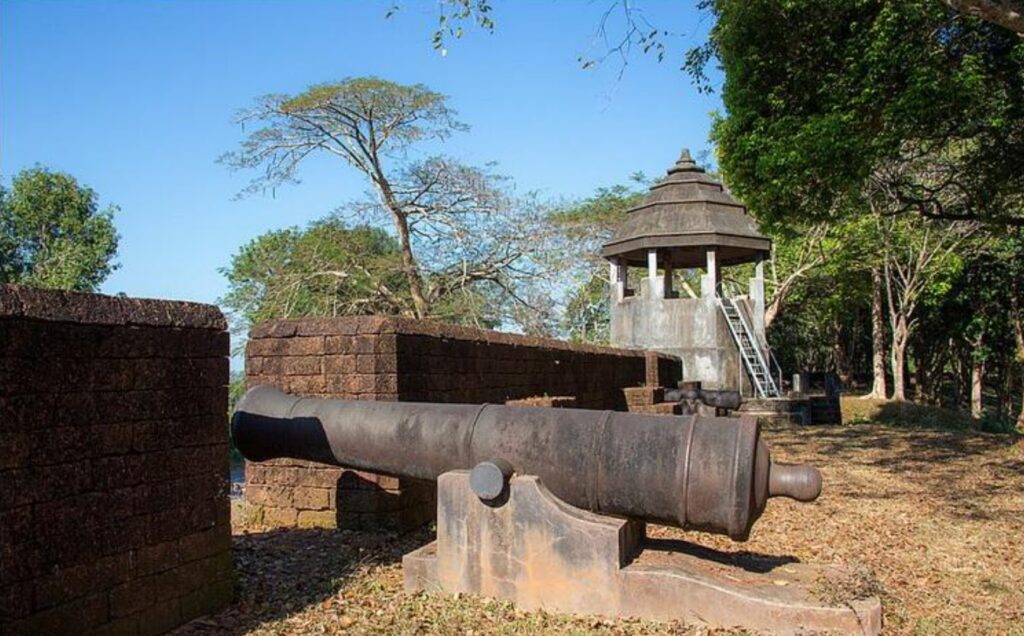
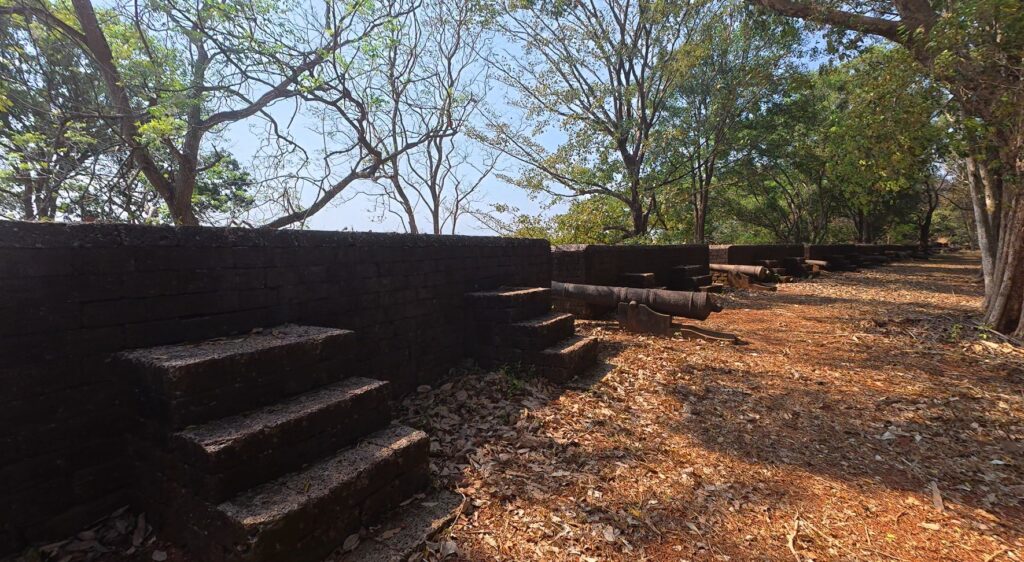
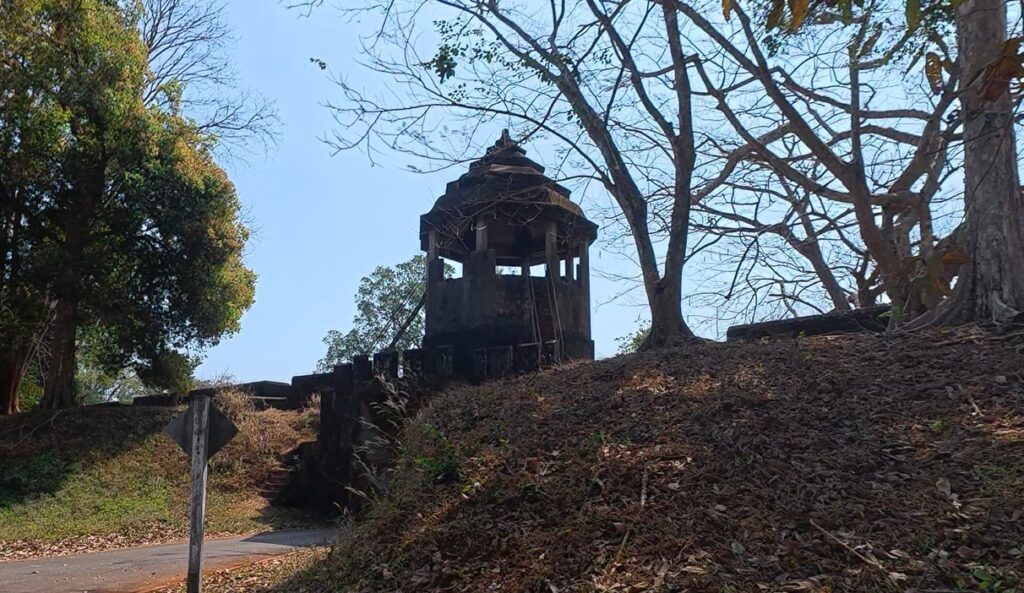
Noen Wong Fortress stands on elevated ground outside the old riverside center of Chanthaburi. Its brick walls, gateways, watchtowers, and surviving cannons still reflect a time when Siam feared that war could arrive from both the Cambodian frontier and the sea.
The fortress was built during the reign of King Rama III, also known as King Nangklao. Historical records state that the king ordered Chao Phraya Phrakhlang to begin construction on January 9, 1834.
At that time, the old town of Chanthaburi was located along the river in the Ban Lum area. However, the riverside settlement was considered vulnerable to enemy forces approaching from the sea and advancing inland along the river.
The administrative and defensive center was therefore relocated to the slightly elevated Ban Kacha area. A new fortified town was created there, protected by walls, a moat, gates, and artillery positions.
Between Siam and Vietnam
The immediate historical background to Noen Wong Fortress was the early nineteenth-century struggle between Siam and Vietnam for influence over Cambodia and Laos.
Tensions between the two kingdoms rose sharply after the Chao Anouvong Rebellion of 1826–1828. Vietnam sought to expand its influence across Cambodia and the eastern Mekong region, while Siam regarded Cambodia and its eastern coastline as a vital defensive frontier.
These tensions eventually led to the Siamese–Vietnamese War of 1833–1834. Noen Wong Fortress was constructed in 1834, while the conflict was still underway.
The Siamese government feared not only that Vietnamese forces might advance overland through Cambodia, but also that a Vietnamese fleet could sail through the Gulf of Thailand and attack the coast of Chanthaburi.
Because Chanthaburi lies close to the Cambodian border and connects coastal and river transportation routes, it became strategically important as a forward base for the defense of Siam’s eastern frontier.
A Fortress Prepared for War
Noen Wong Fortress is remembered more as a stronghold prepared for war than as the site of a major battle.
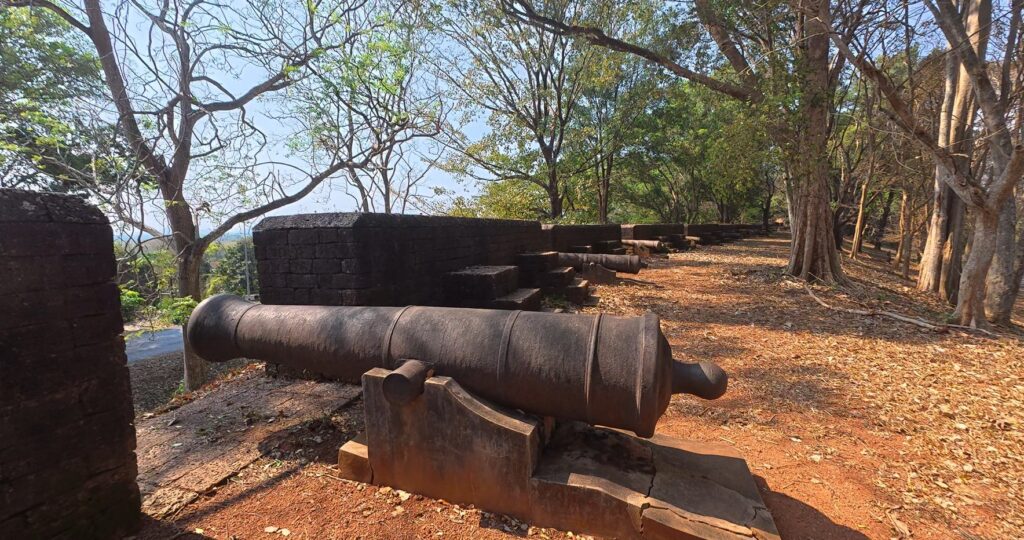
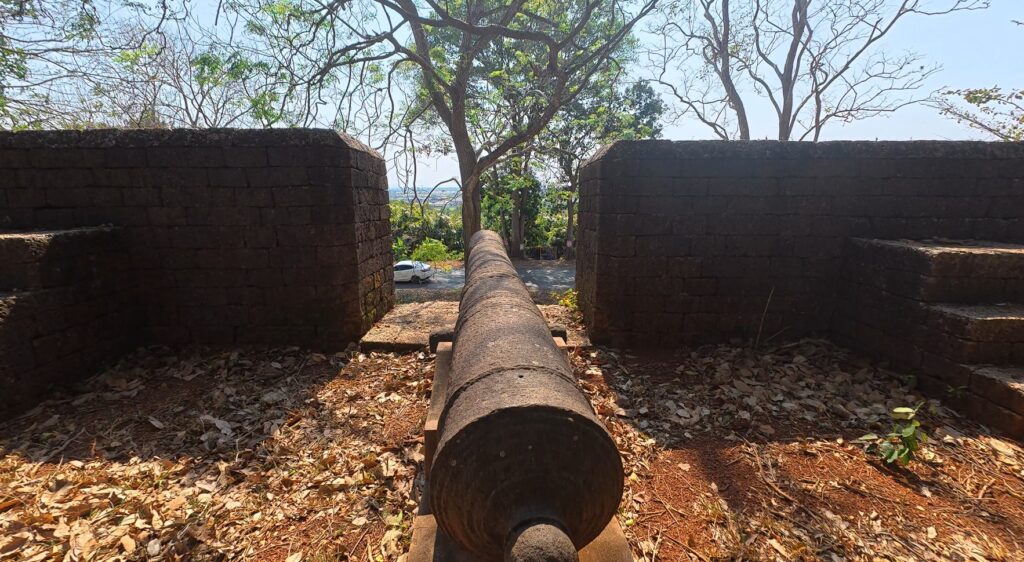
Its walls, gates, elevated position, and artillery platforms were designed to protect the new administrative center and watch the approaches to Chanthaburi. Cannons were placed along the fortifications to defend against forces arriving from the coast or advancing from the eastern frontier.
Although no famous large-scale siege is known to have taken place here, the fortress remains an important reminder of the insecurity that shaped Siam’s eastern provinces during the nineteenth century. It was a city built under the shadow of war—even if the expected attack never reached its walls.
From Vietnamese Threats to French Occupation
Noen Wong Fortress was not originally built to defend Chanthaburi against France. Its first purpose was to protect Siam’s eastern frontier from a possible Vietnamese attack.
However, about sixty years later, Chanthaburi faced a new foreign threat. Following the Franco-Siamese Crisis of 1893, French forces occupied Chanthaburi as a guarantee that Siam would comply with the terms of the agreement imposed by France.
The occupation continued until 1904. Most of the important French military positions were concentrated closer to the coast and the mouth of the Chanthaburi River, especially around Laem Sing. Noen Wong was not the main French stronghold, but it stood within a province controlled by French colonial forces.
The contrast is striking. The fortress had been built because Siam feared invasion from Vietnam, yet it was eventually France—a European colonial power—that occupied Chanthaburi.
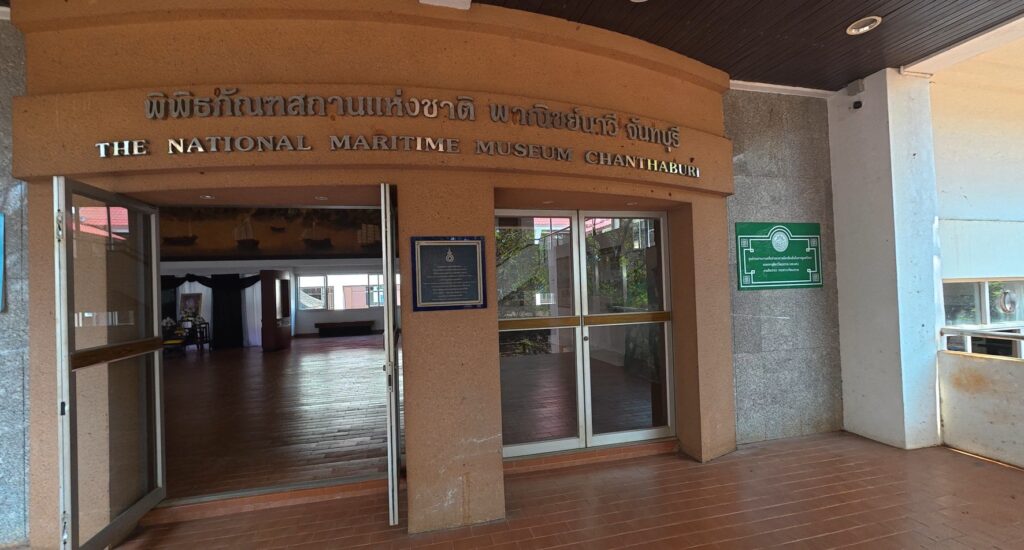
Inside the National Maritime Museum
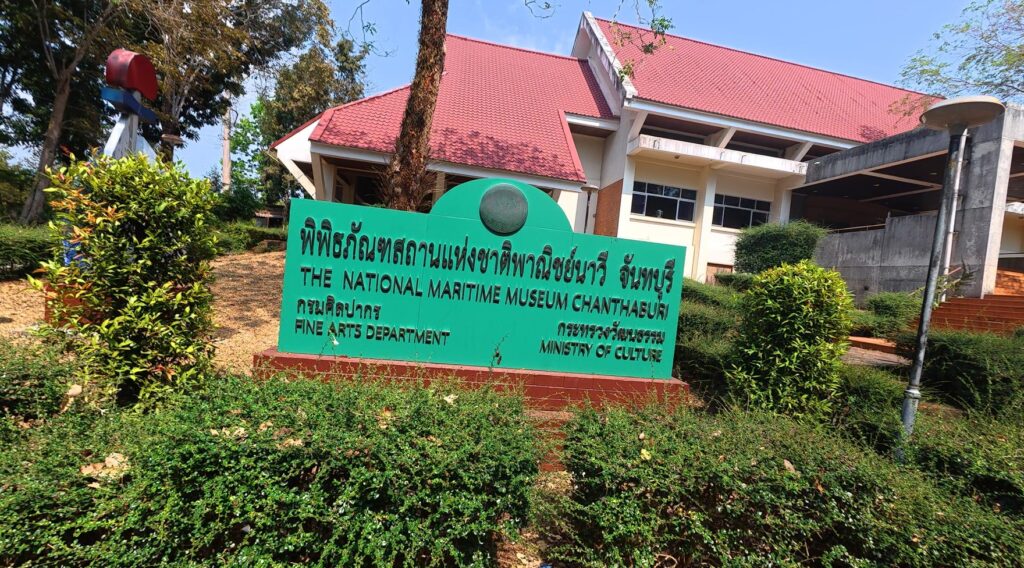
Within the grounds of Noen Wong Fortress stands the National Maritime Museum of Chanthaburi. The museum building was constructed in 1994 and consists of two connected two-story buildings with approximately 3,500 square meters of exhibition space.
The museum was established to research, preserve, and display artifacts recovered by Thailand’s Fine Arts Department during investigations of shipwrecks and underwater archaeological sites in the Gulf of Thailand, which began in the 1970s.
What makes this museum especially interesting is that it does not focus only on warships or the modern navy. Instead, it explores Thailand’s ancient maritime trade, shipwrecks, underwater archaeology, and the daily lives of sailors who spent long periods at sea.
The Thai term พาณิชย์นาวี refers more closely to commercial navigation and maritime trade than to naval warfare. This helps explain why the museum’s story is centered on merchants, cargo, ports, ships, and the sea routes that once connected Thailand with the wider world.
Exploring Noen Wong Fortress and the National Maritime Museum, where Chanthaburi’s military history meets Thailand’s ancient maritime world.
Ancient Trade Routes and Life at Sea
The museum presents the maritime routes, port cities, traded goods, and daily life that connected Thailand with other parts of Asia.
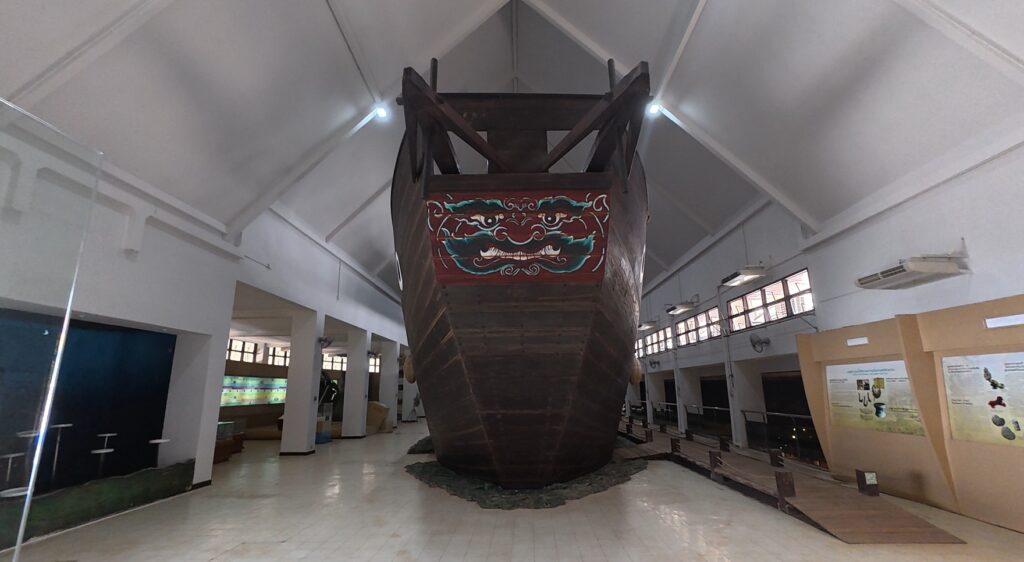
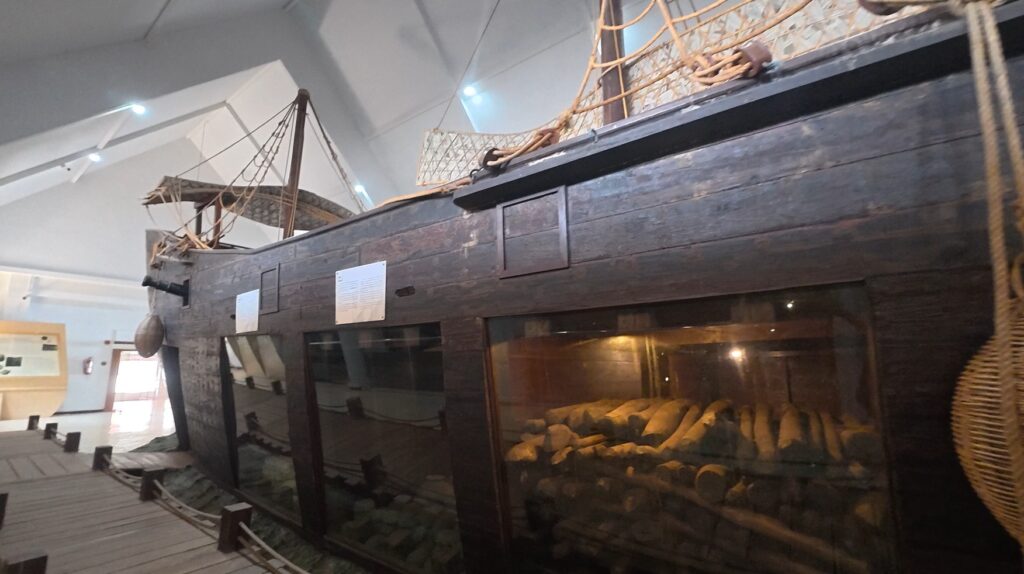
One of its most striking exhibits is a near life-size model of a Chinese junk. The reconstructed cargo area shows how ceramics, merchandise, and supplies were carefully arranged aboard a trading vessel before a long voyage.
Gold ornaments, gemstones, ceramics, and everyday objects recovered from shipwrecks reveal that these ships were more than simple means of transportation. They were also living spaces—homes at sea—where sailors, merchants, and crews spent long periods of their lives.
Underwater Archaeology
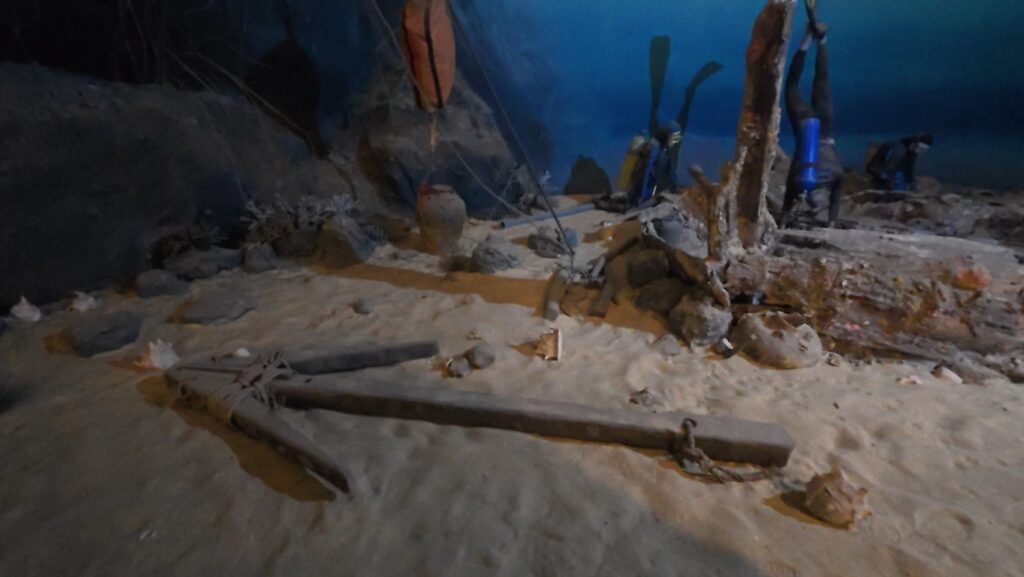
The museum explains how divers and archaeologists discover, document, and study shipwrecks beneath the sea. It also shows how artifacts are carefully recovered from underwater sites and preserved after being brought to the surface.
Unlike excavations on land, underwater investigations must take into account water pressure, ocean currents, limited visibility, and salinity. For this reason, underwater archaeology requires specialized methods and equipment.
The exhibition includes actual survey tools as well as reconstructed scenes of shipwreck excavations, helping visitors understand the difficult work involved in recovering history from the seabed.
Traditional Boats of Thailand
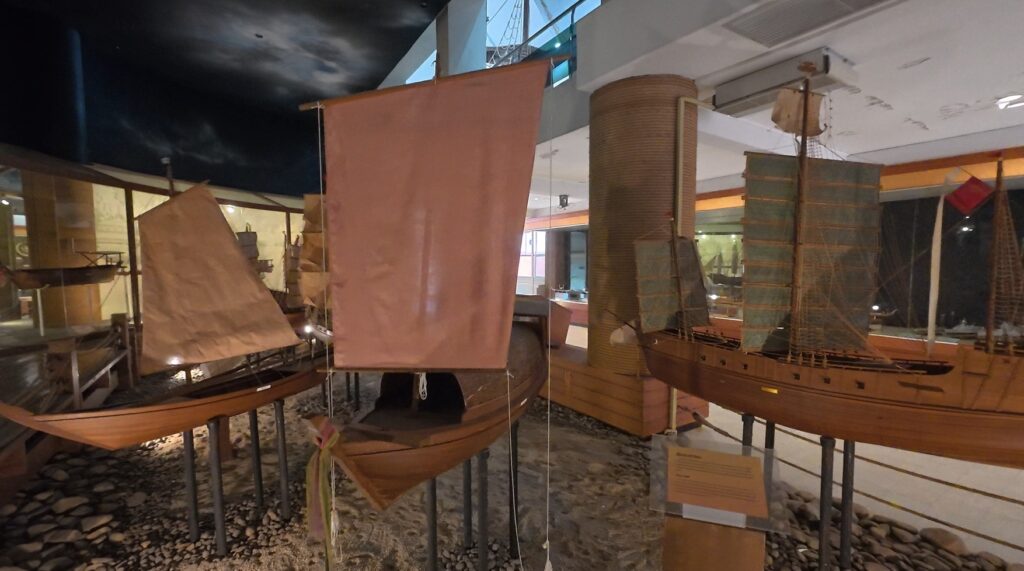
The museum also displays scale models of riverboats, fishing vessels, cargo ships, and sailing ships once used in different regions of Thailand.
In a country shaped by rivers, canals, and long coastlines, boats were essential to everyday life. They carried people, food, agricultural products, building materials, and traded goods between villages, towns, ports, and markets.
The different boat designs also reflect local geography and purpose. Some were built for narrow canals and inland rivers, while others were designed for fishing, coastal travel, or transporting heavy cargo.
Together, these models show how water transportation supported both daily life and regional economies long before modern roads became widespread.
A Rare View into the Museum’s Collection
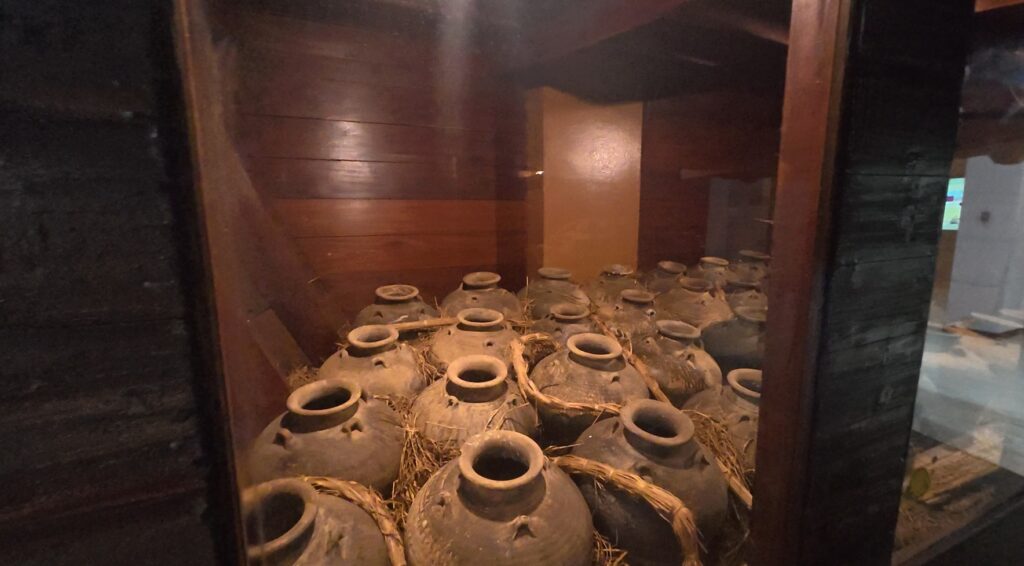
Museum storage areas are generally closed to the public, but this museum allows visitors to see part of its artifact storage space through glass windows.
Rows of ceramics, recovered objects, and archaeological materials reveal that only a portion of the museum’s collection can be displayed in the main galleries. Many other artifacts must be carefully catalogued, preserved, and stored for future research.
This visible storage area gives visitors a glimpse of the work that continues behind the exhibitions. The museum is not only a place for displaying history, but also a center for protecting and studying Thailand’s underwater cultural heritage.
The Sea as a Route of Wealth and Danger
Noen Wong Fortress and the National Maritime Museum tell two sides of the same story.
For centuries, the sea connected Chanthaburi with distant ports, merchants, goods, and cultures. Maritime trade brought ceramics, precious objects, new ideas, and economic opportunity to the eastern coast of Siam.
Yet the same waterways that carried trading vessels could also bring hostile fleets. The fear of an attack from Vietnam led to the construction of Noen Wong Fortress, while the later French occupation showed how vulnerable Chanthaburi remained to foreign naval power.
Standing within the old fortress, the museum therefore feels especially meaningful. The cannons outside recall the danger that once came from the sea, while the ships and artifacts inside reveal the prosperity and cultural exchange that the sea also created.
Here, Chanthaburi’s maritime past is remembered not simply as a history of war or trade, but as a story shaped by both.
Reflections at Noen Wong
Walking through Noen Wong Fortress, I could feel how closely Chanthaburi’s history was tied to both the land and the sea.
The old walls and cannons were built because war was feared. Inside the museum, however, the ships, ceramics, and recovered objects told another story—one of merchants, sailors, distant ports, and long voyages across Asian waters.
Noen Wong is therefore more than an old fortress, and the museum is more than a collection of maritime artifacts. Together, they show how the sea could bring opportunity, wealth, cultural exchange, and danger to the same coast.
This quiet historic site preserves the memory of a time when Chanthaburi stood at the edge of Siam, watching the eastern frontier and the Gulf of Thailand.
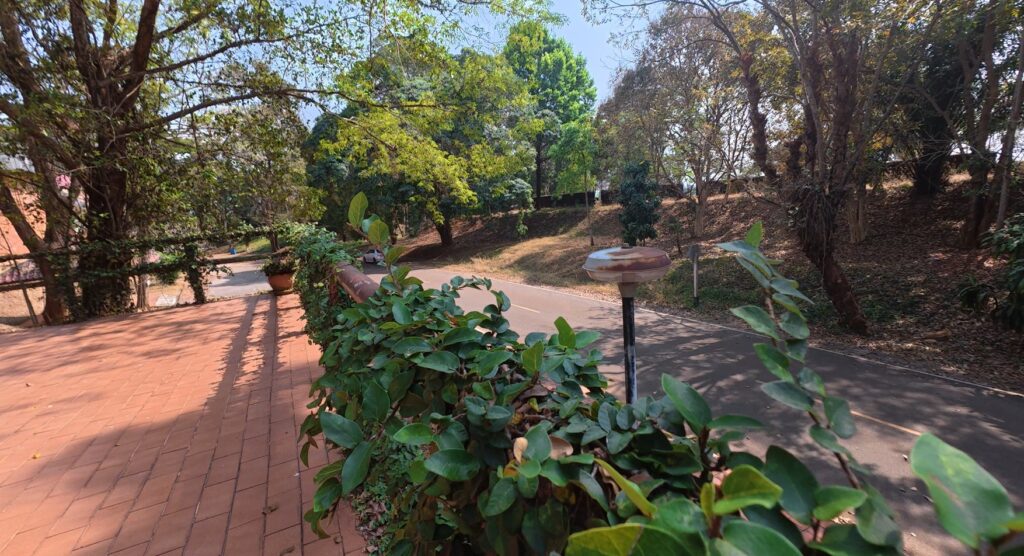
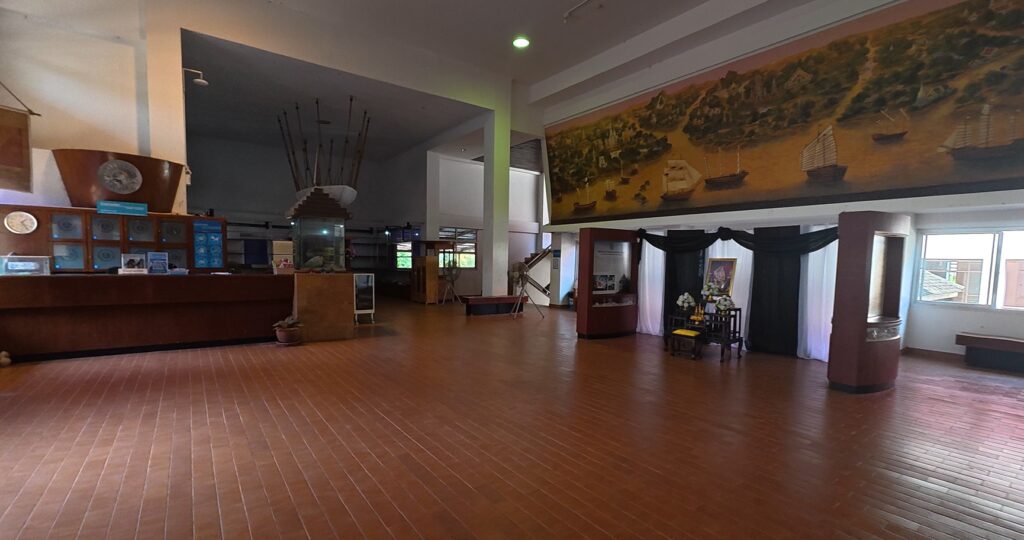
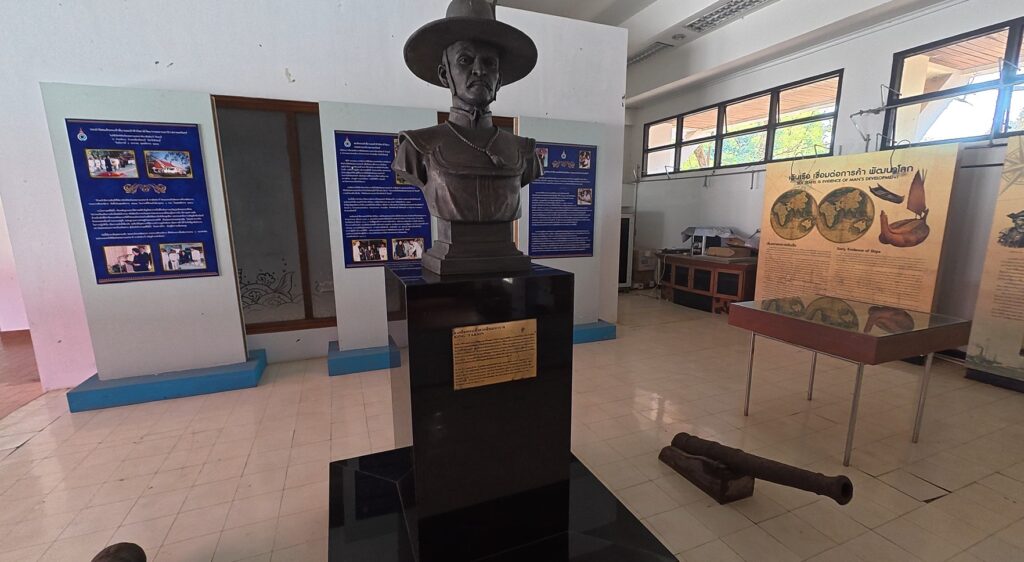
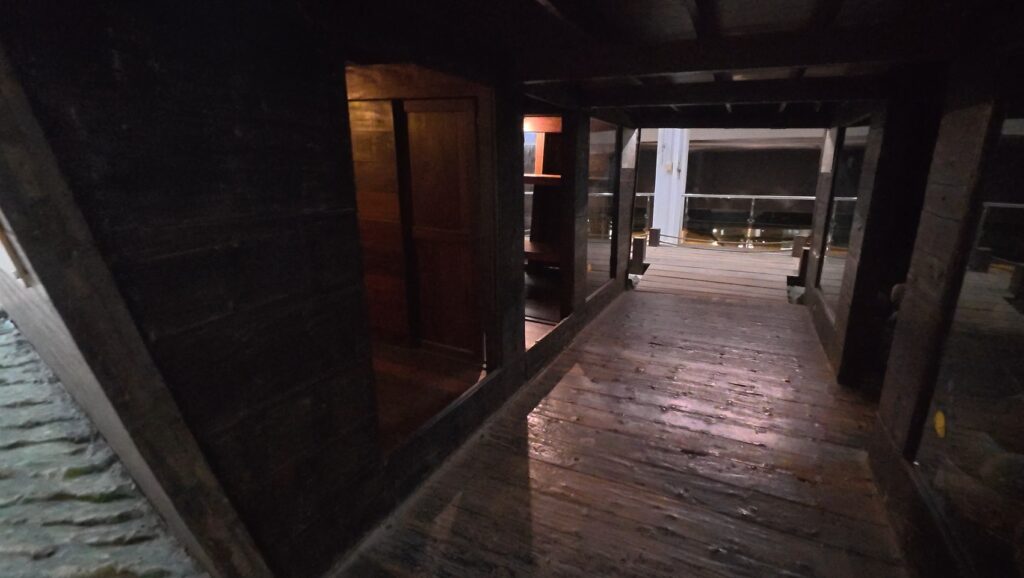
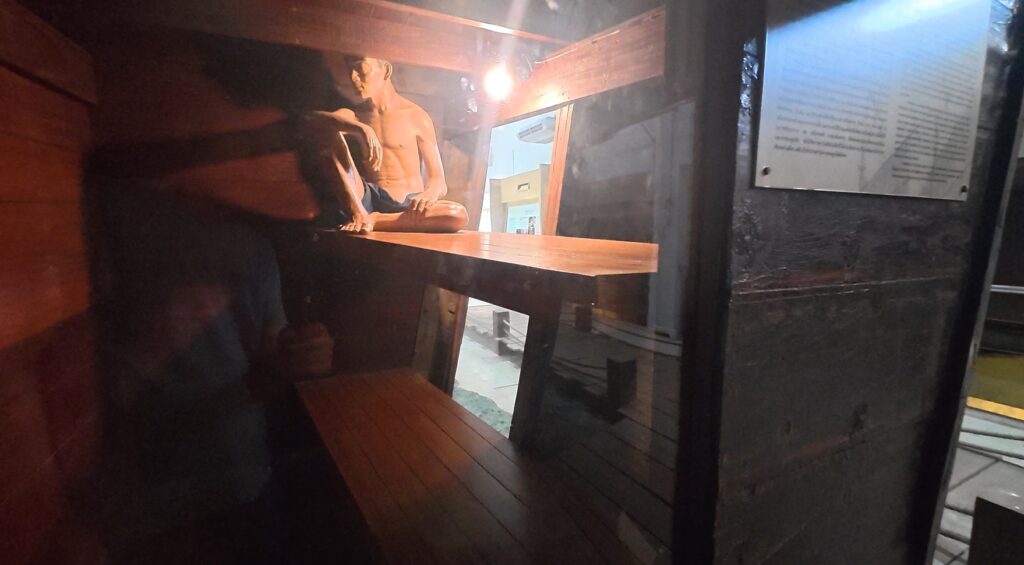
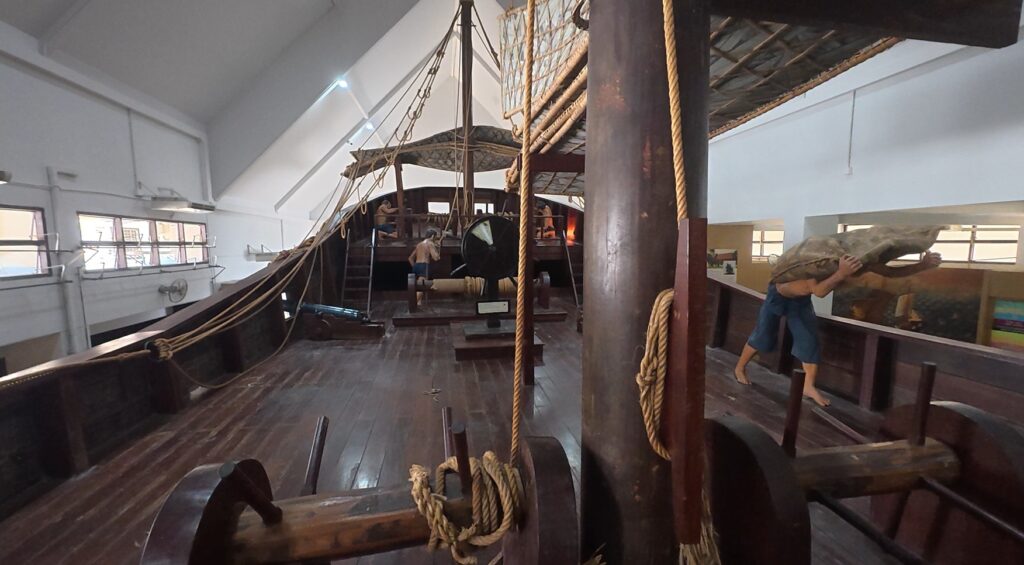
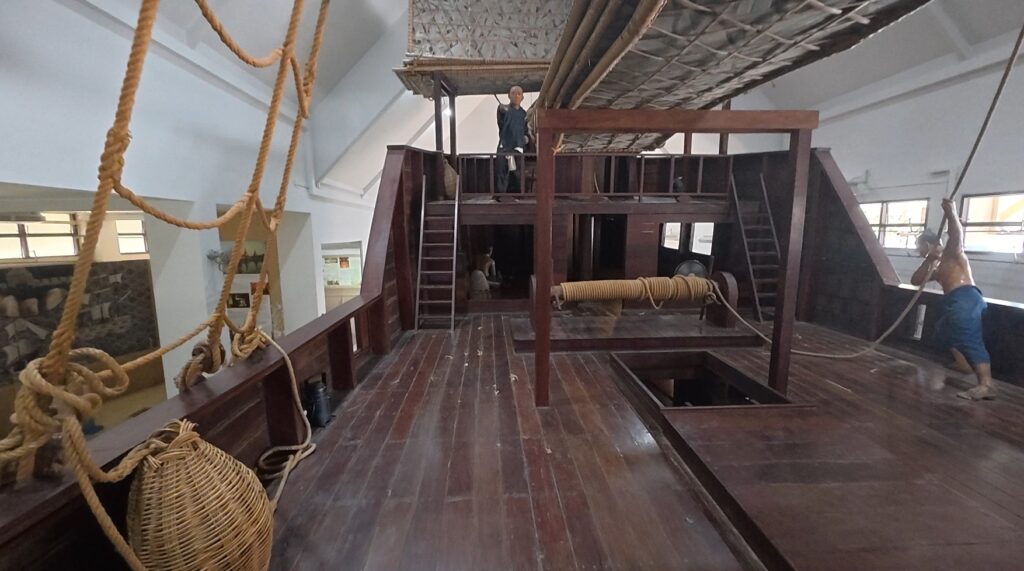
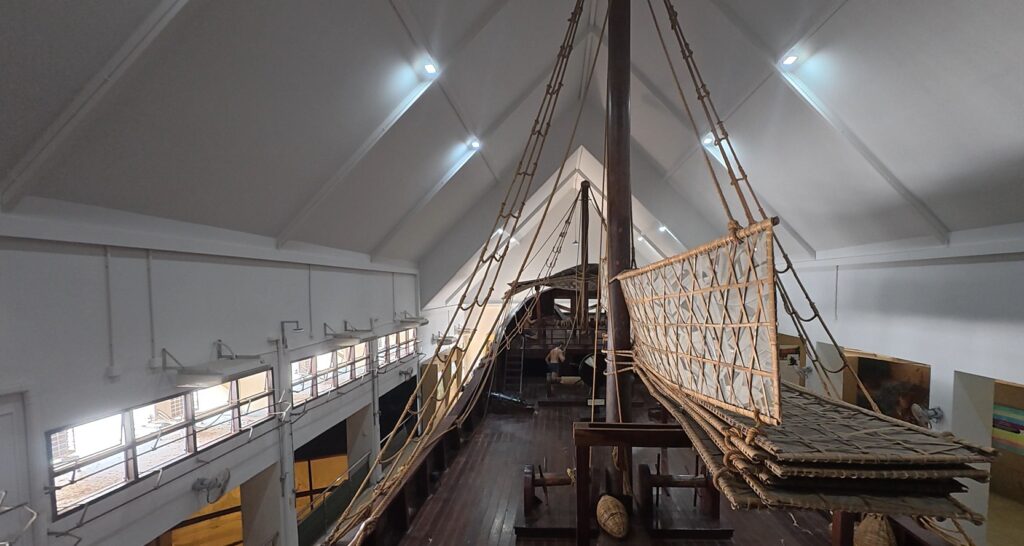
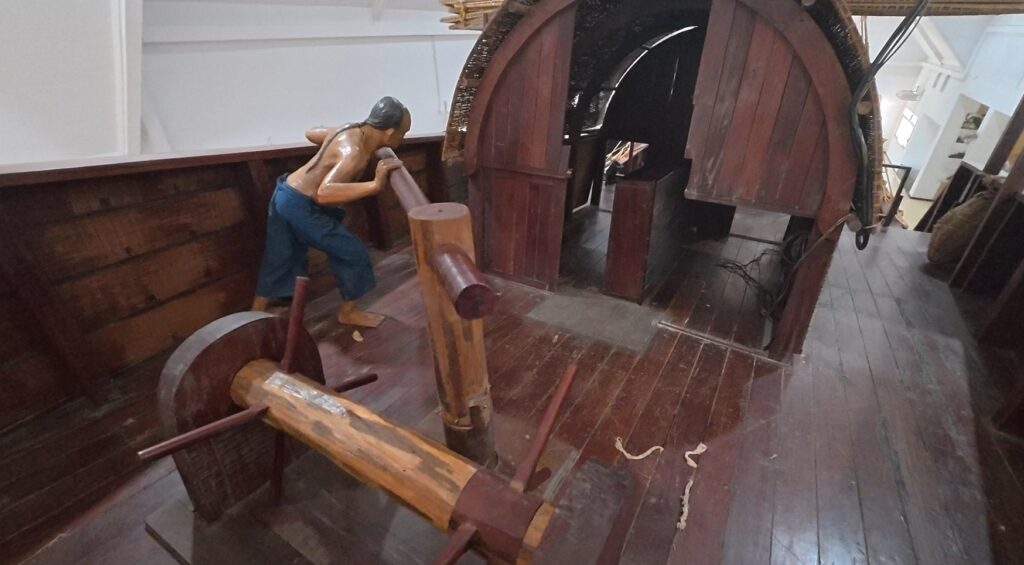
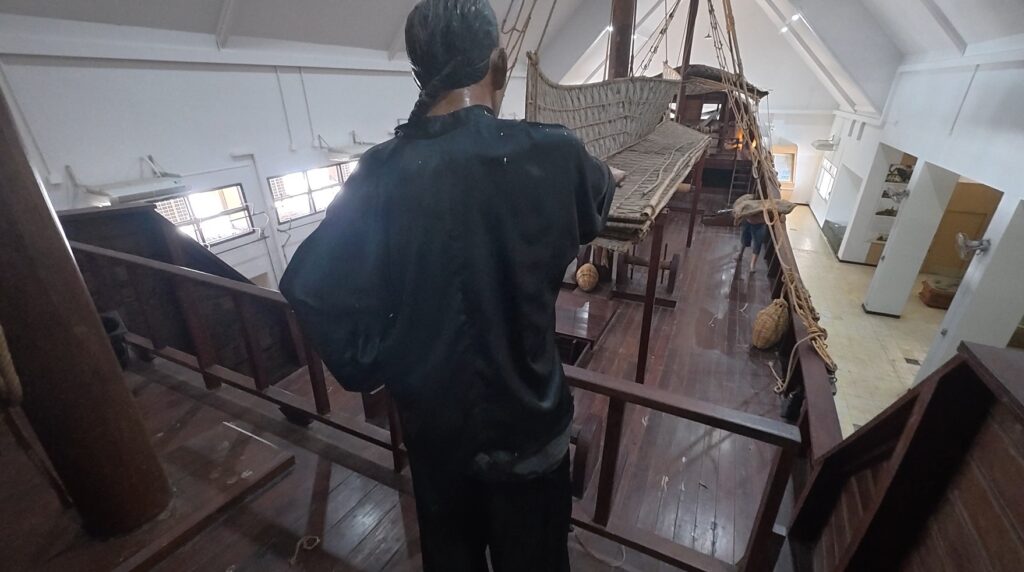
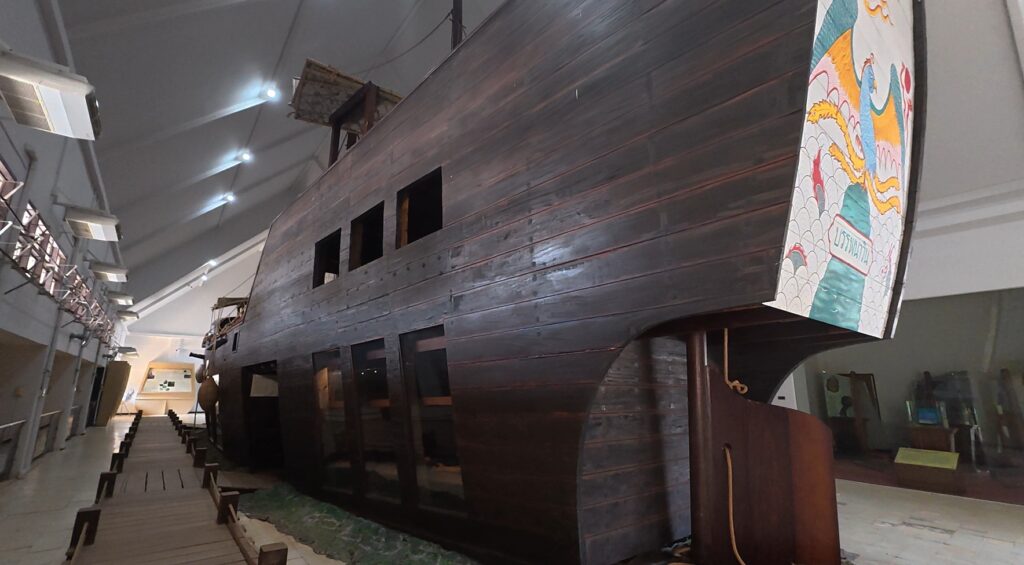
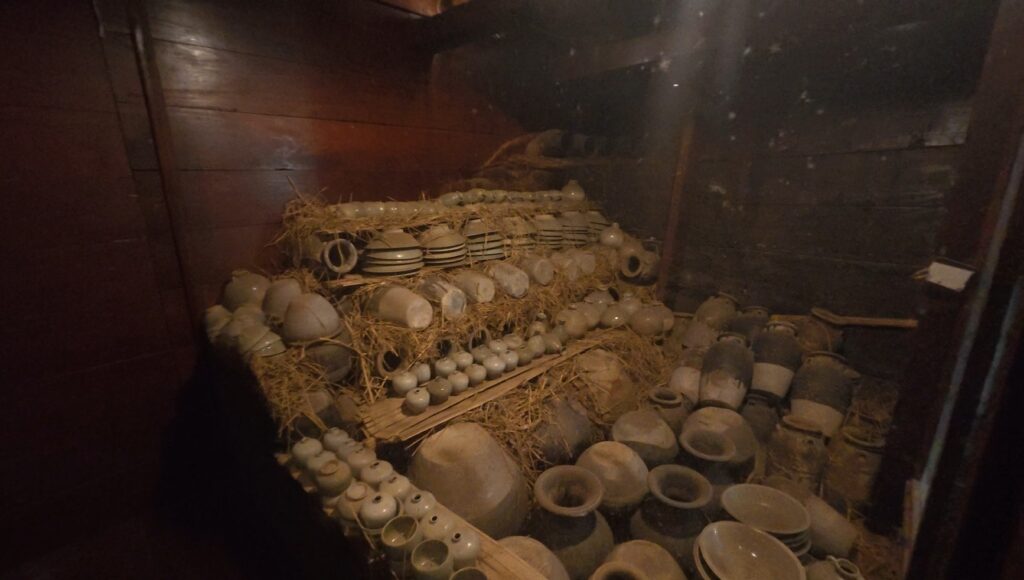
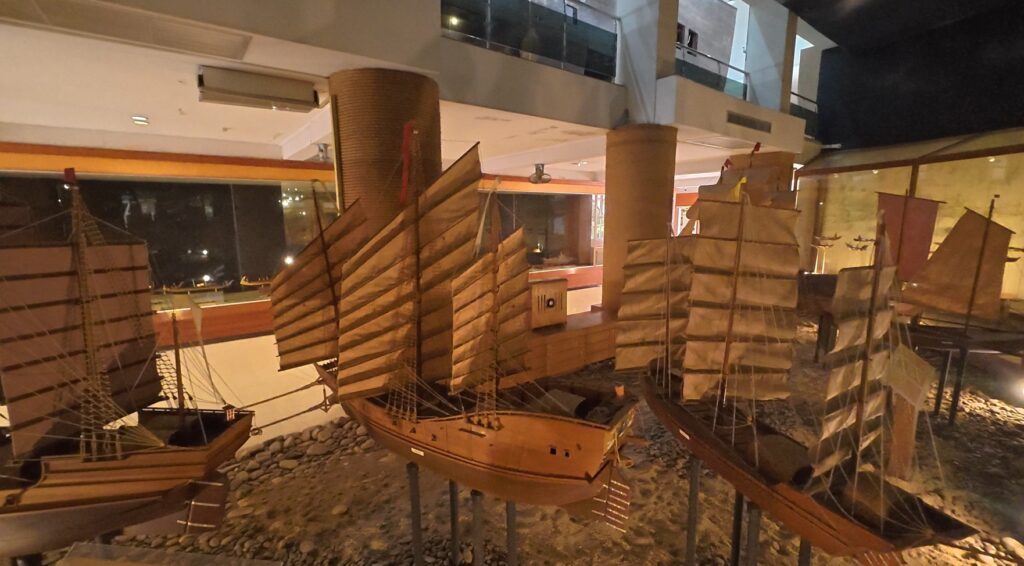
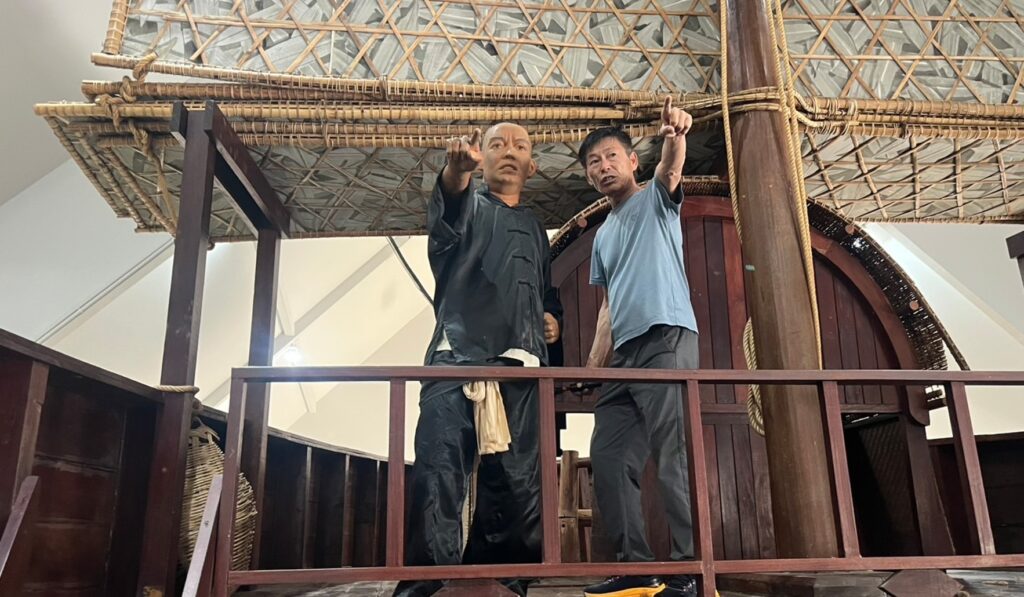
Walls, cannons, ship interiors, maritime artifacts, and underwater archaeological displays at Noen Wong Fortress and the National Maritime Museum in Chanthaburi.
Location
Noen Wong Fortress and the National Maritime Museum are located in Bang Kacha, just outside the central area of Chanthaburi. The site combines the remains of a nineteenth-century fortified town with one of Thailand’s most important museums dedicated to maritime trade and underwater archaeology.
📍 View on Google Maps: Noen Wong Fortress and the National Maritime Museum
Related Reading
Learn more about Thailand’s maritime heritage and underwater archaeology through the Fine Arts Department.