A Short Ride into a Different World
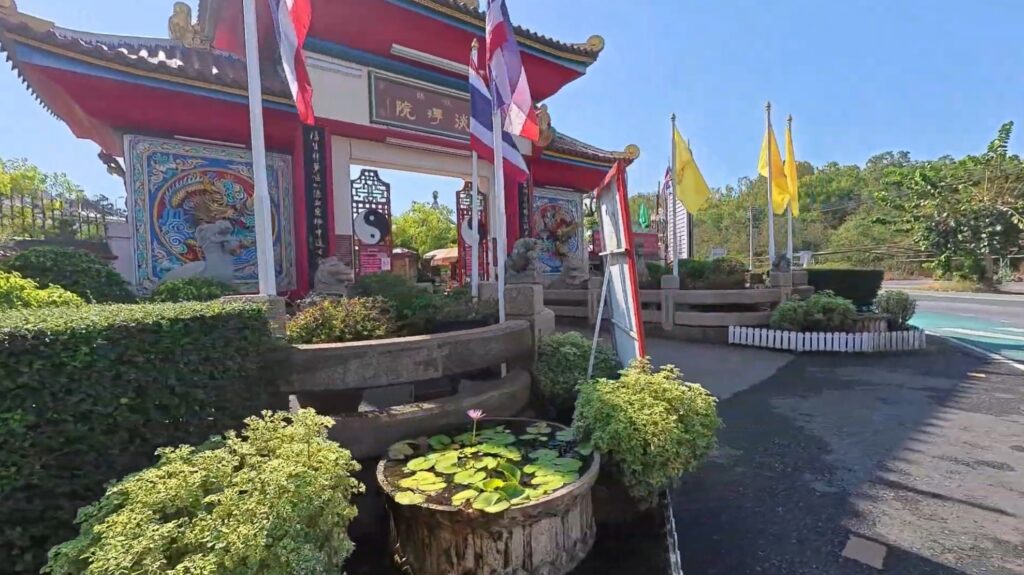
Viharn Sien Pattaya is located near Wat Yansangwararam, south of Pattaya in Chonburi Province. I set out from home for a relaxed ride to Viharn Sien. The journey was short and familiar, but beyond the ornate Chinese gate, the atmosphere changed completely. Red pillars, curved roofs, guardian statues, and rows of bronze figures created the feeling of entering another cultural world within Thailand.
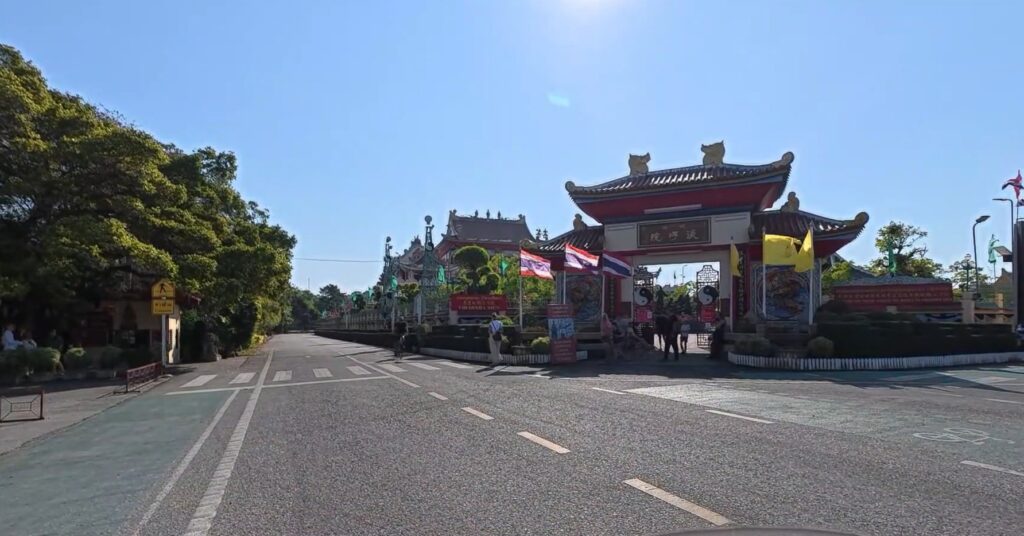
Viharn Sien Pattaya: More Than a Chinese-Style Temple
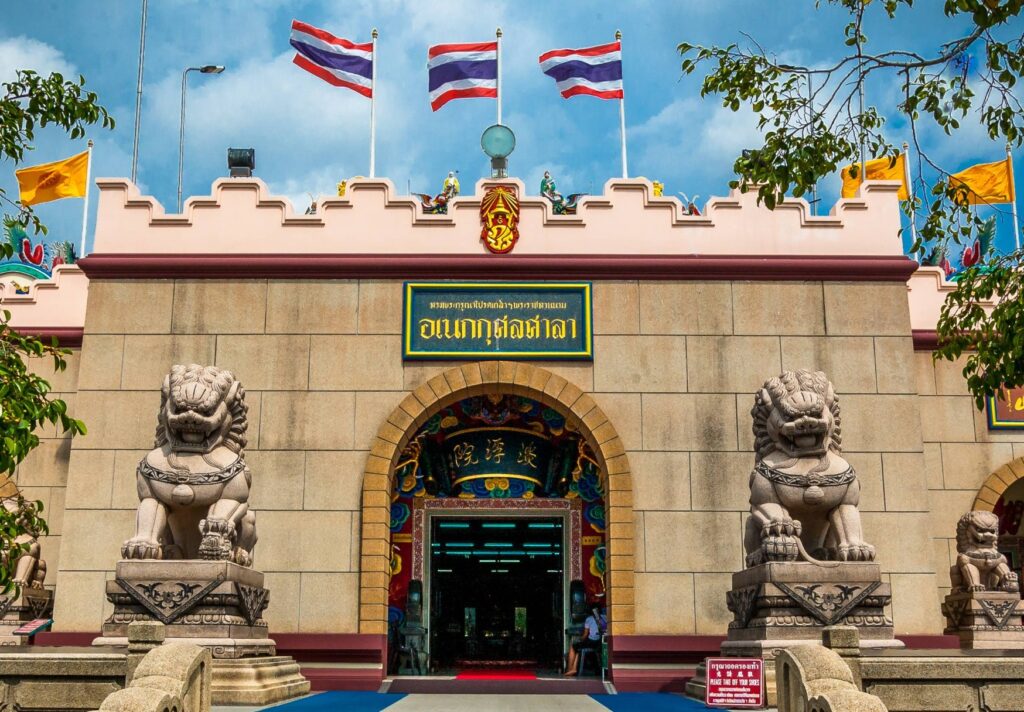
Viharn Sien is more than a place of worship. Officially known as Anek Kuson Sala, it was created as a center for preserving Chinese art, philosophy, religion, and history in Thailand. Its halls bring together Buddhist, Taoist, and traditional Chinese cultural figures, turning the complex into both a sanctuary and a museum.
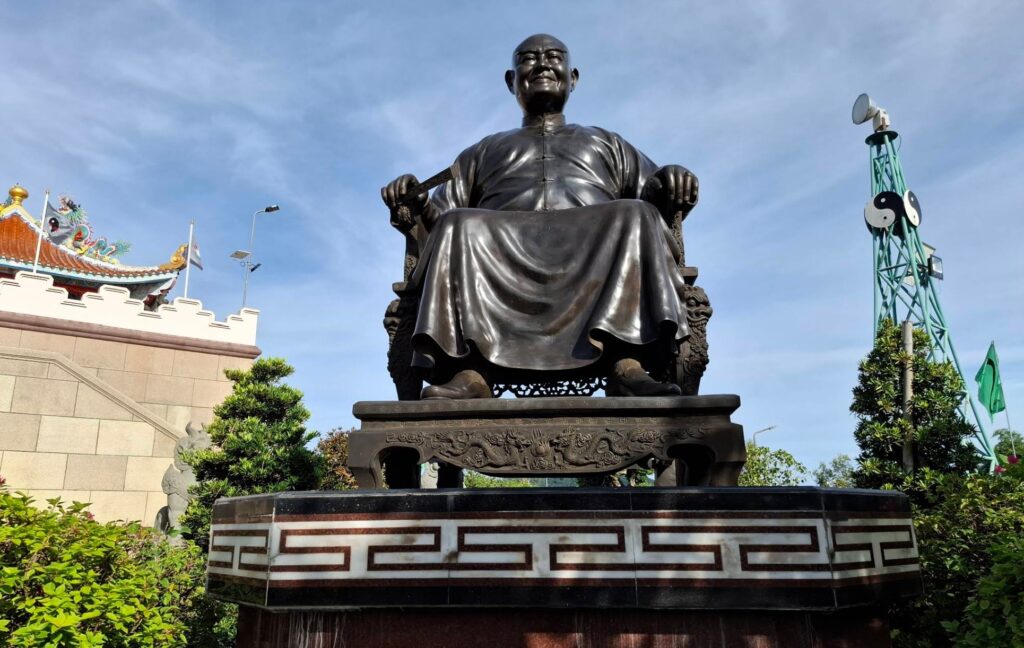
The Vision of Sa-nga Kulkobkiat
The creation of Viharn Sien began with the vision of Sa-nga Kulkobkiat, a Thai citizen of Chinese heritage who devoted much of his life to Chinese philosophy, religion, and traditional art. He dreamed of creating a place where people in Thailand could encounter Chinese culture not only through books, but through architecture, sculpture, and historical objects.
His goal was not to recreate China in Thailand. It was to build a bridge between the two cultures that had shaped his own life.
Royal Support from King Rama IX
Sa-nga Kulkobkiat’s vision gained important royal support from King Bhumibol Adulyadej, Rama IX. The King provided land near Wat Yansangwararam for the project, and the name Anek Kuson Sala was also bestowed by him. Construction began in 1987, the year of King Rama IX’s 60th birthday.
The royal support gave the project a meaning far beyond that of a private museum. Viharn Sien became a place where Chinese heritage could be preserved within Thai society and presented as part of the long relationship between the Thai nation, the royal institution, and the Thai-Chinese community.
Cultural Gifts from China
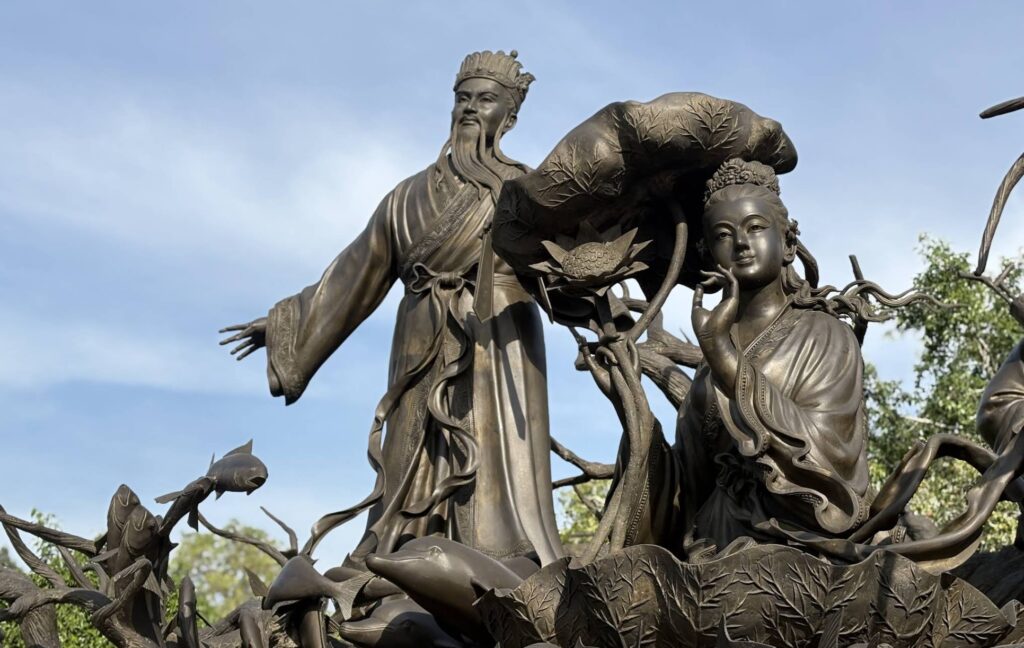
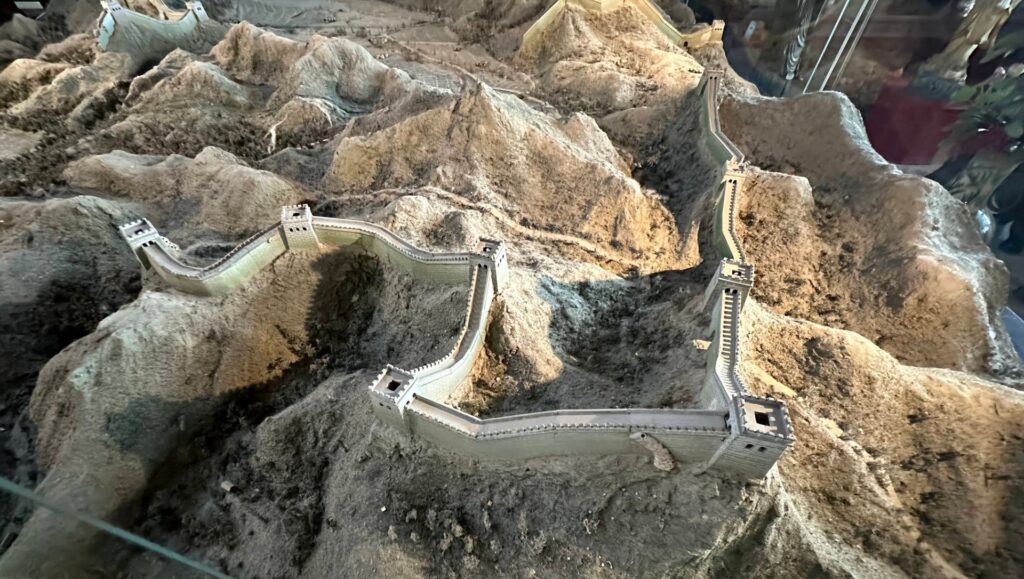
The collection grew through cooperation with China, which contributed many works representing Chinese history, religion, and traditional craftsmanship. Among the most striking displays are figures inspired by the Terracotta Army of Qin Shi Huang, together with bronze warriors, deities, scholars, and legendary characters.
These objects do more than decorate the halls. They allow visitors in Thailand to encounter important parts of Chinese civilization without traveling to China. Through these cultural gifts and exchanges, Viharn Sien developed into a place where art became a language of friendship between the two countries.
A Living Museum of Chinese Civilization
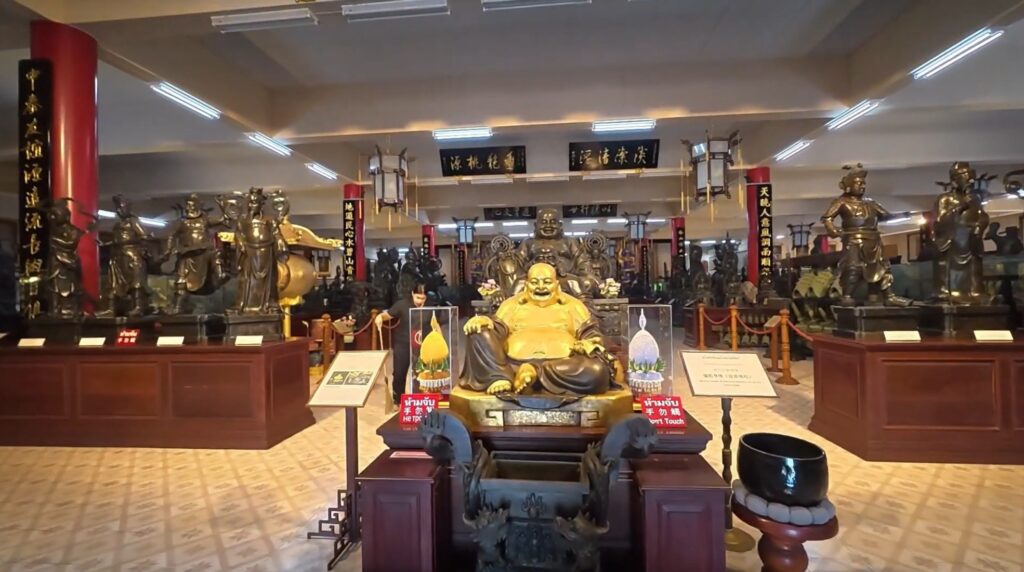
Walking through the interior halls, I found much more than religious statues. Warriors, scholars, monks, immortals, mythical creatures, jade carvings, and bronze figures filled the rooms. Each level presented a different part of Chinese history and belief, creating the feeling of moving through a compact museum of Chinese civilization.
The collection also reflects how several traditions have long existed side by side in Chinese culture. Buddhism, Taoism, Confucian thought, martial arts, and respect for ancestors are not separated here. Together, they show a broad cultural world shaped by philosophy, faith, discipline, and memory.
Stories Told Through Sculpture
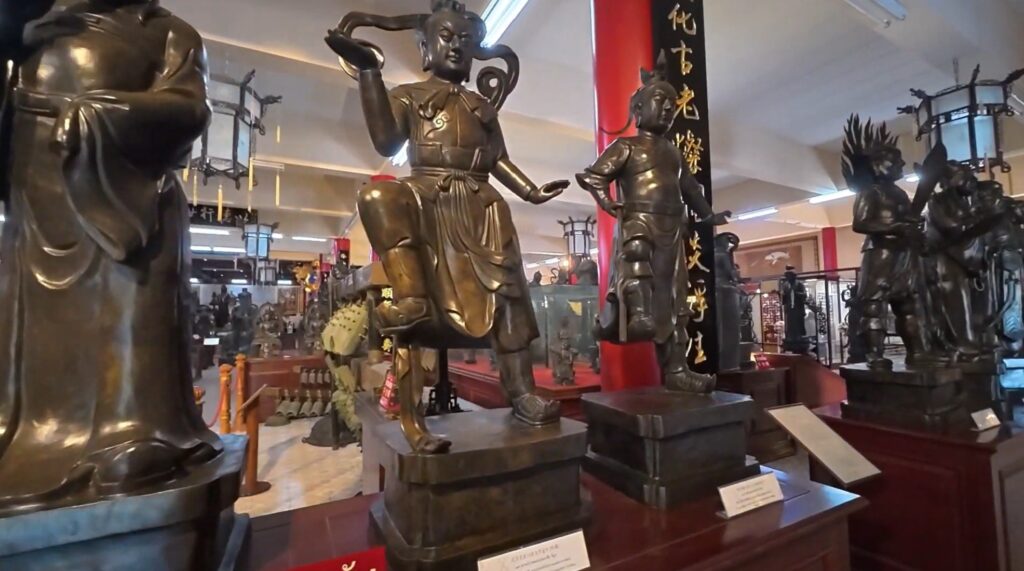
Some of the most memorable works were the life-sized figures arranged across the halls and open terraces. Their postures, clothing, weapons, and facial expressions made them feel less like isolated museum objects and more like characters from historical stories.
The warriors expressed discipline and strength, while the monks and scholars represented wisdom, faith, and learning. Together, they showed how Chinese history has been preserved not only through written records, but also through the human form.
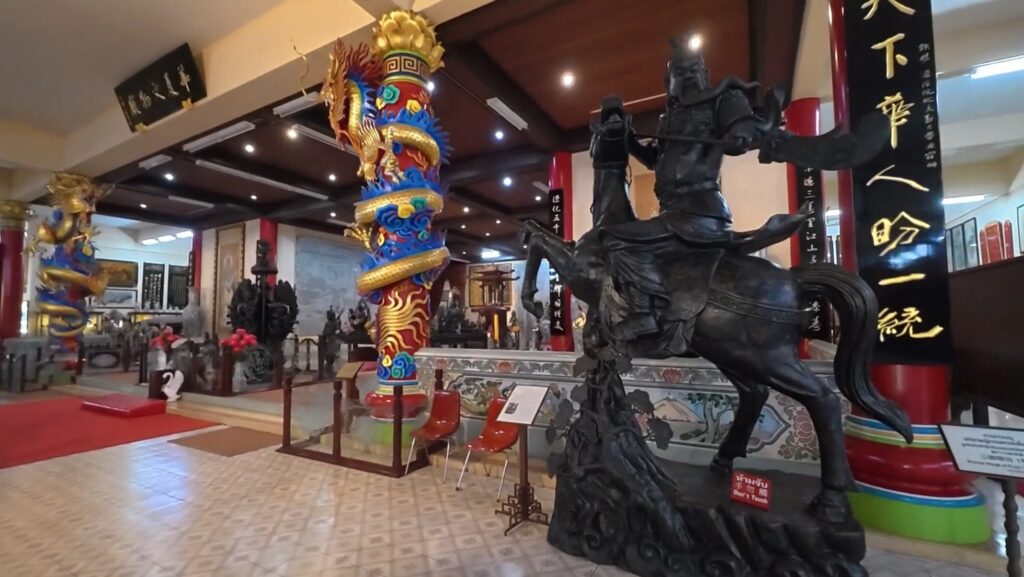
Architecture as a Cultural Language
The architecture itself carries the same message as the collection. Red columns, tiled roofs, carved railings, guardian animals, and symmetrical courtyards create a distinctly Chinese atmosphere, yet the complex stands naturally within the Thai landscape near Pattaya.
This combination makes Viharn Sien more than a replica of a Chinese temple. It is a place where Chinese artistic traditions have been carefully preserved, interpreted, and welcomed into Thailand as part of a shared cultural story.
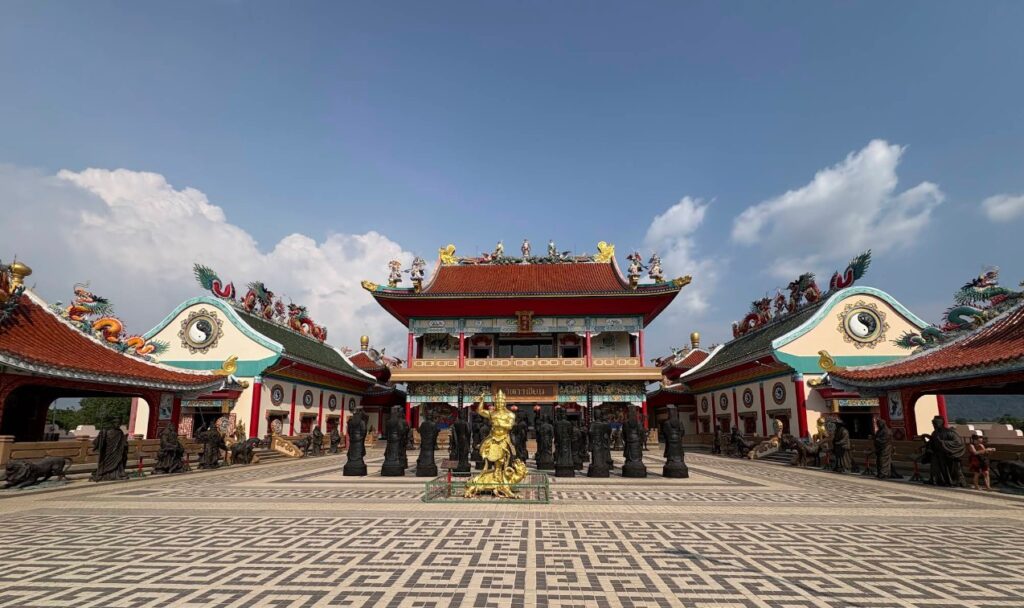
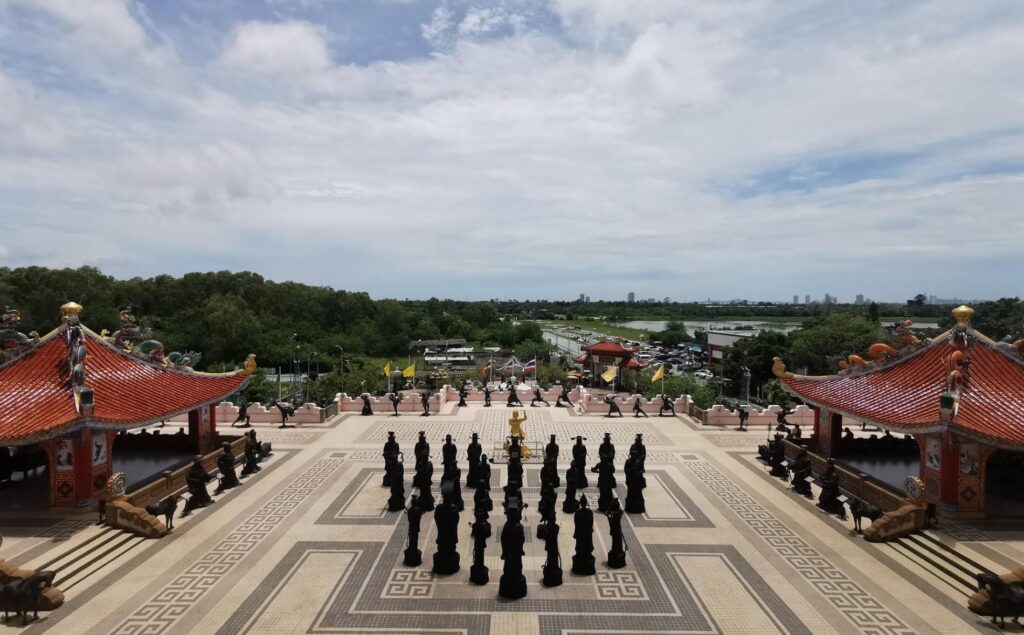
A Short Ride with a Deeper Meaning
Because Viharn Sien is close to my home, this journey began as a simple and relaxed ride. Yet after walking through its courtyards and galleries, I realized that the place carried a much larger story.
It was created through the vision of a Thai-Chinese founder, supported by the Thai royal institution, and enriched by cultural contributions from China. Together, these elements transformed Viharn Sien into more than a temple or museum. It became a symbol of how two cultures can meet through art, faith, history, and mutual respect.
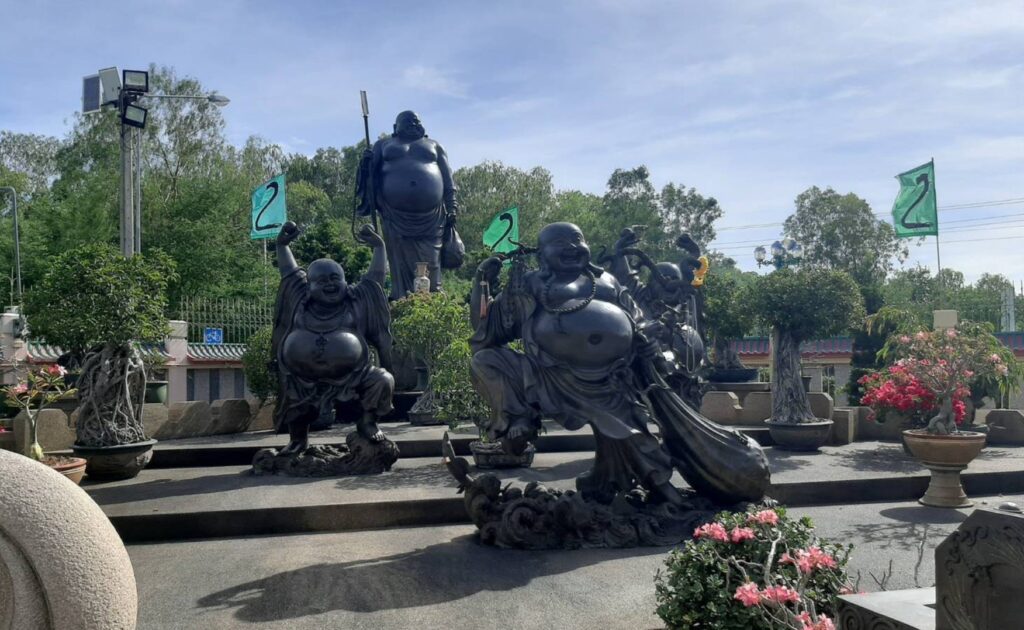
Watch the Ride and Visit
A short ride from home led me to Viharn Sien Pattaya, where Thai and Chinese history, art, and friendship come together.
Location
Viharn Sien – Anek Kuson Sala is located near Wat Yansangwararam, south of Pattaya in Chonburi Province. Its peaceful setting beside the lake and surrounding hills makes it an easy destination for a short ride from Pattaya, Bang Saray, or nearby areas.
Where Two Cultures Meet
Viharn Sien shows that cultural exchange is not created by governments alone. It also grows through individuals who preserve memories, artists who share their work, and communities willing to welcome another culture.
What began with Sa-nga Kulkobkiat’s personal vision became possible through Thai royal support and cultural cooperation with China. Today, the complex stands as a reminder that art can cross borders and turn shared history into friendship.
Viharn Sien is not simply a Chinese world built in Thailand. It is a place where two cultures chose to remember, understand, and respect one another.
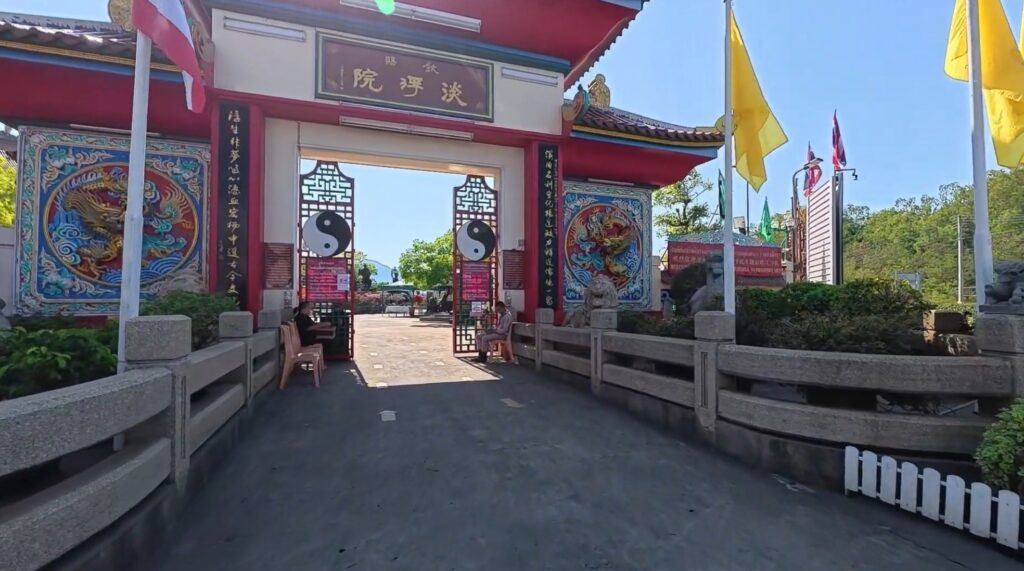
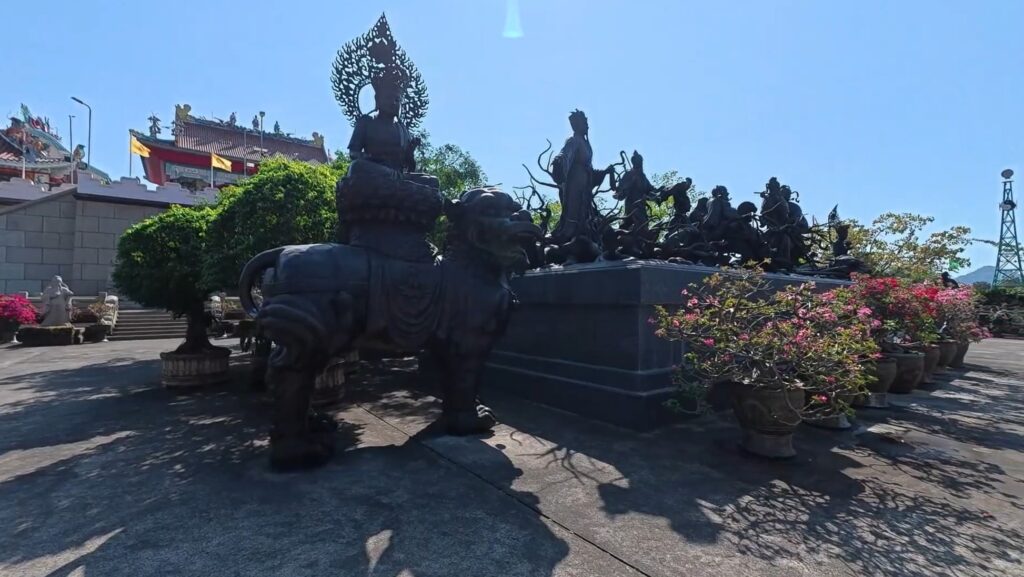
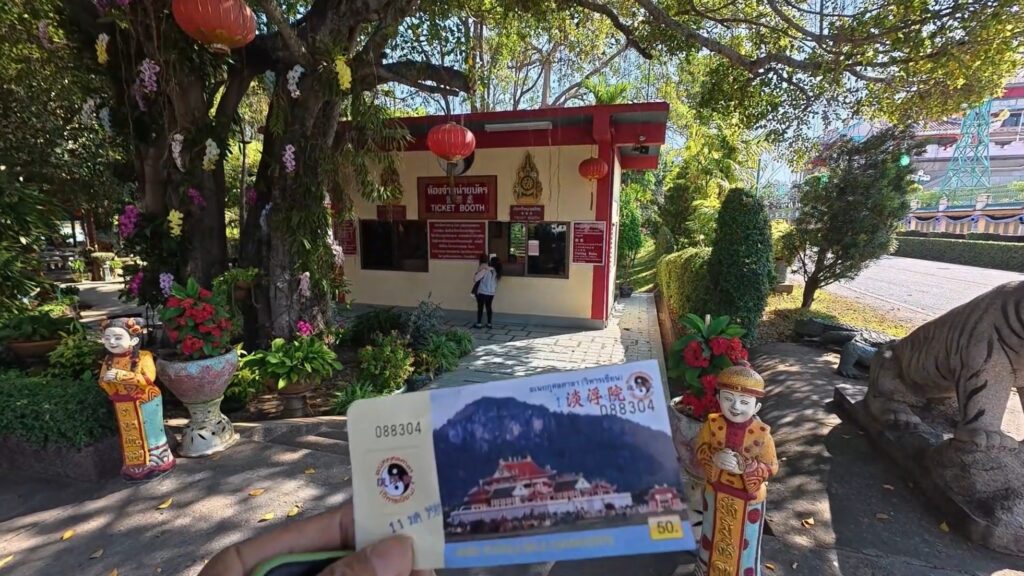
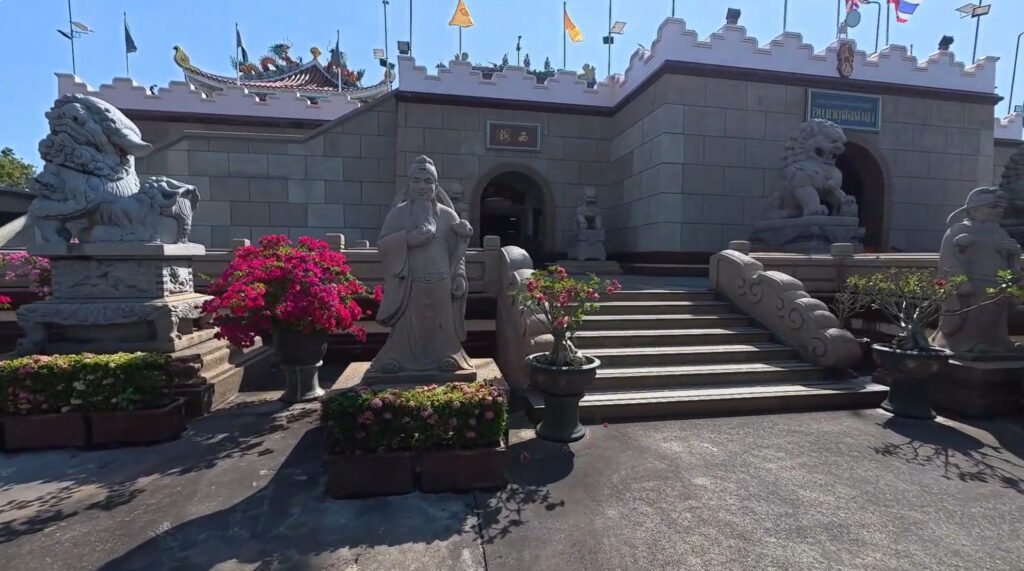
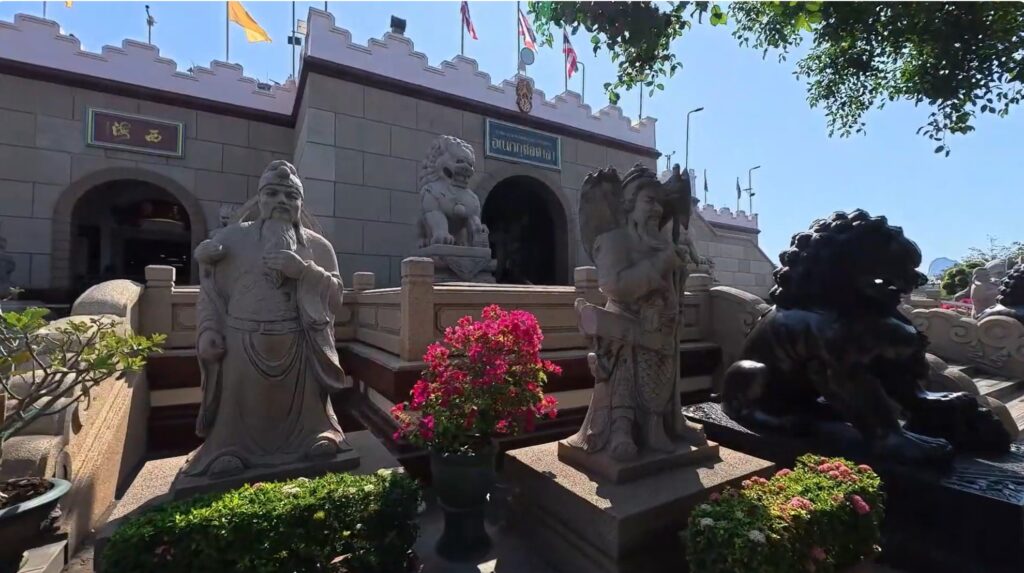
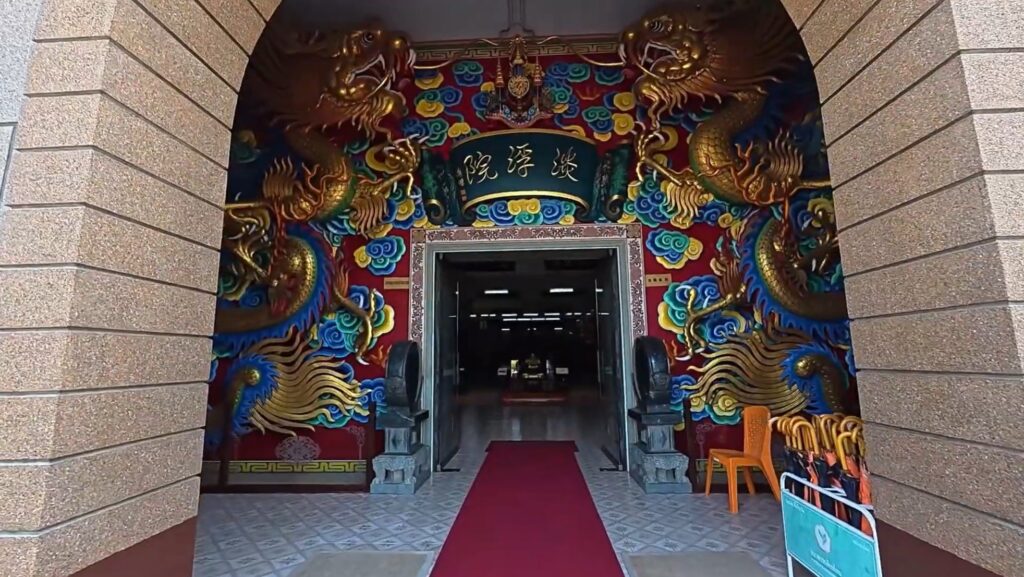
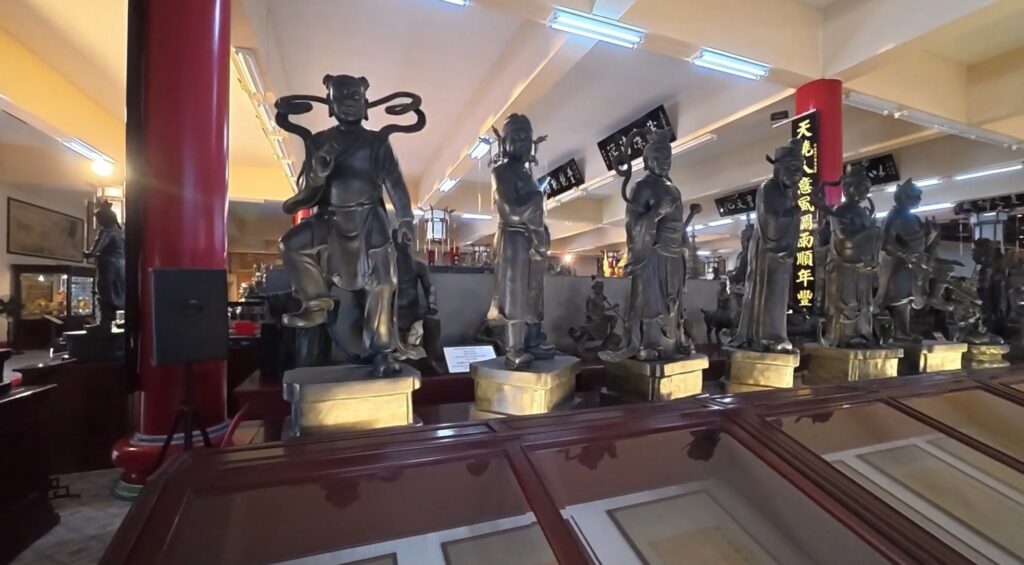
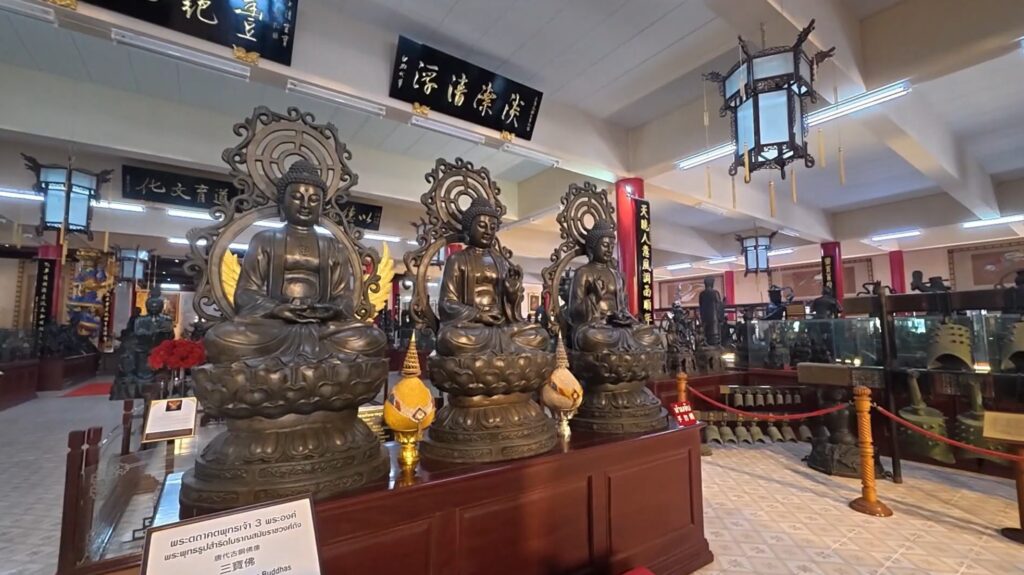
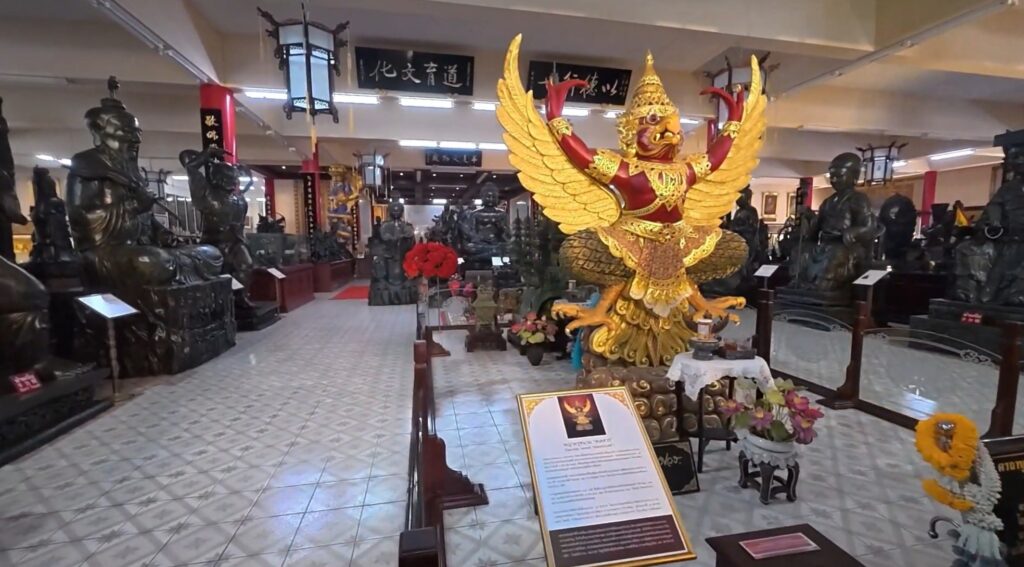
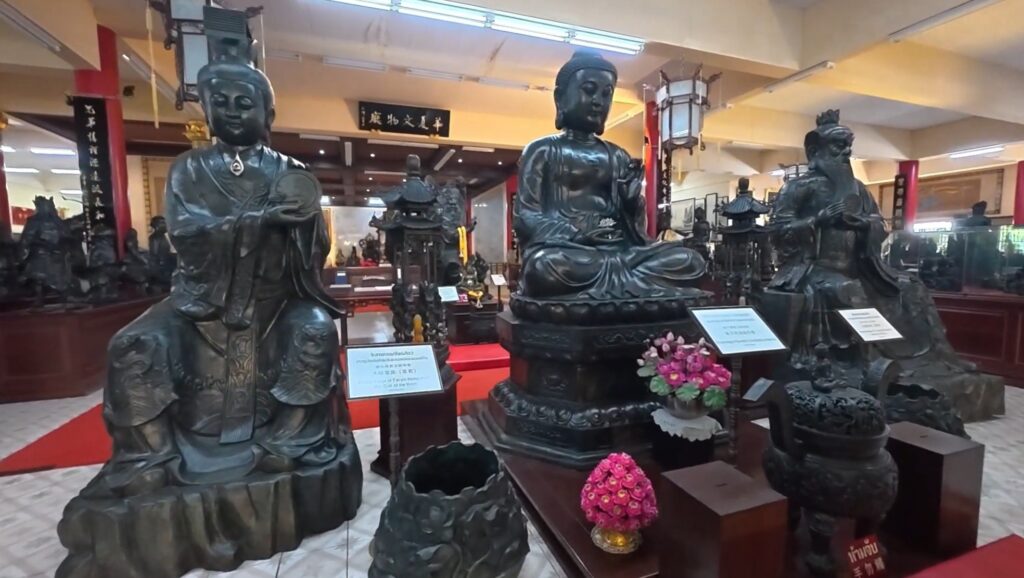
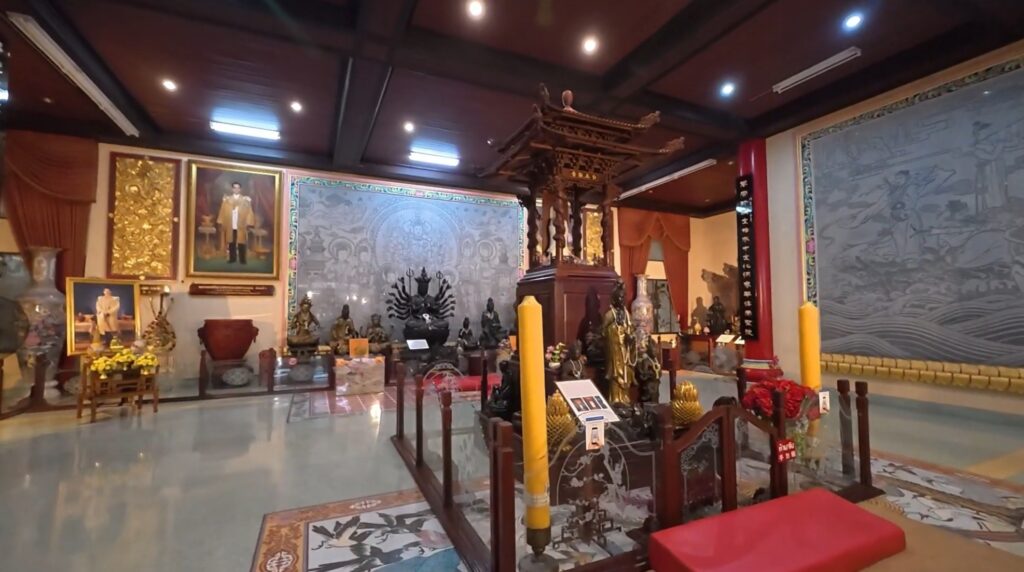
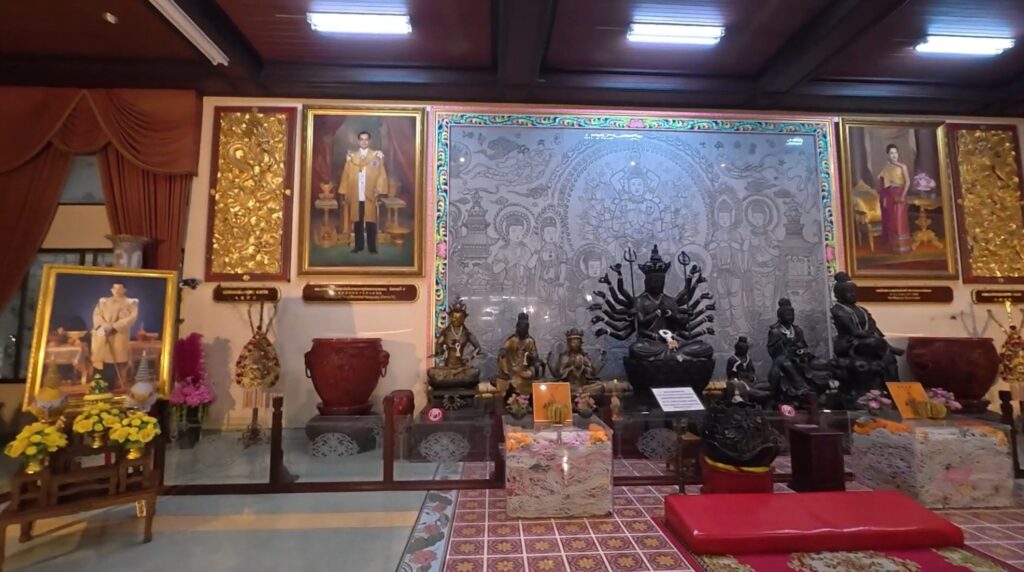
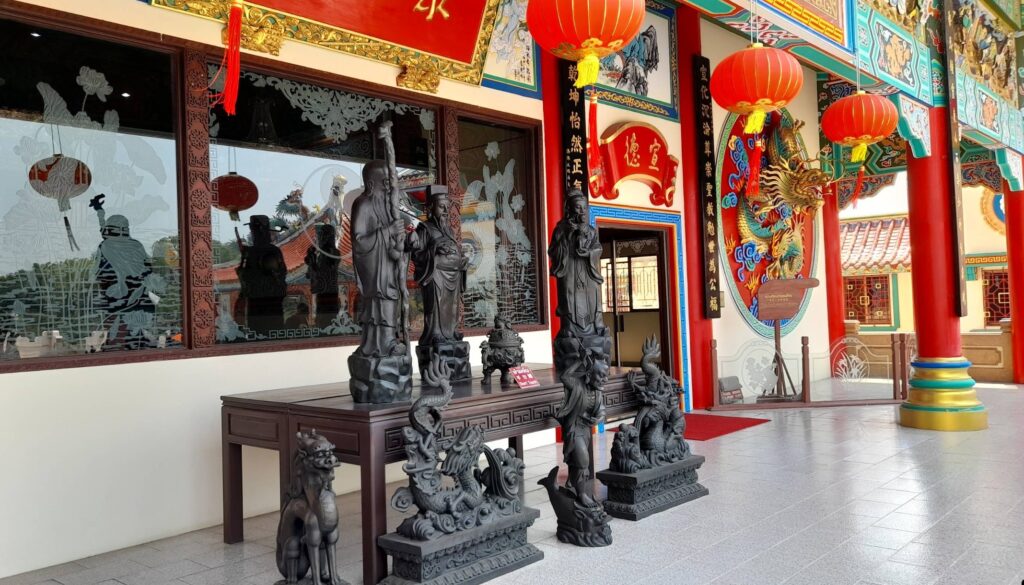
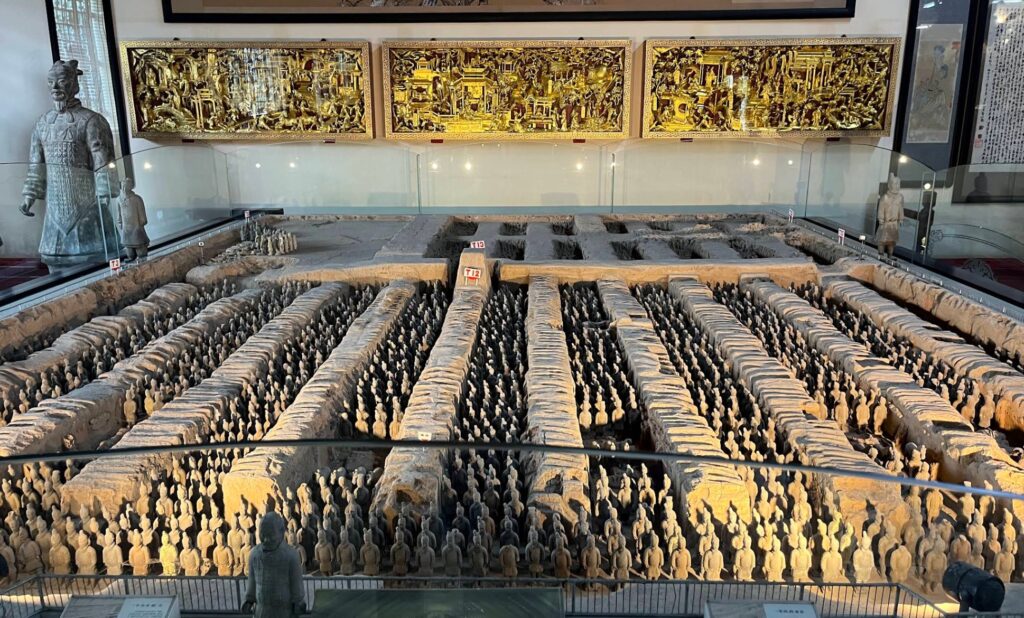
Chinese architecture, bronze figures, religious art, and historical sculptures preserved throughout Viharn Sien.
Today, Viharn Sien Pattaya stands as a reminder that art can cross borders and turn shared history into friendship.