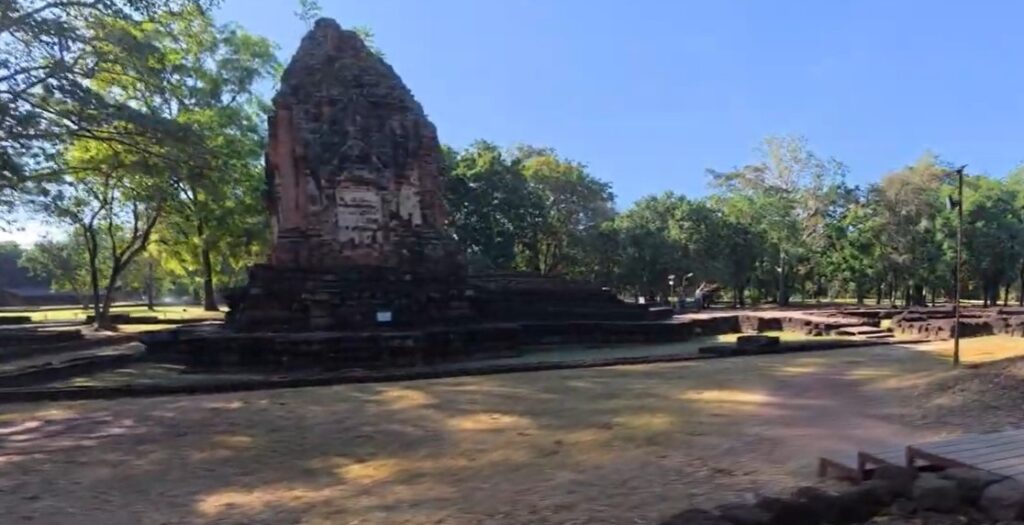
Entering the Silent City
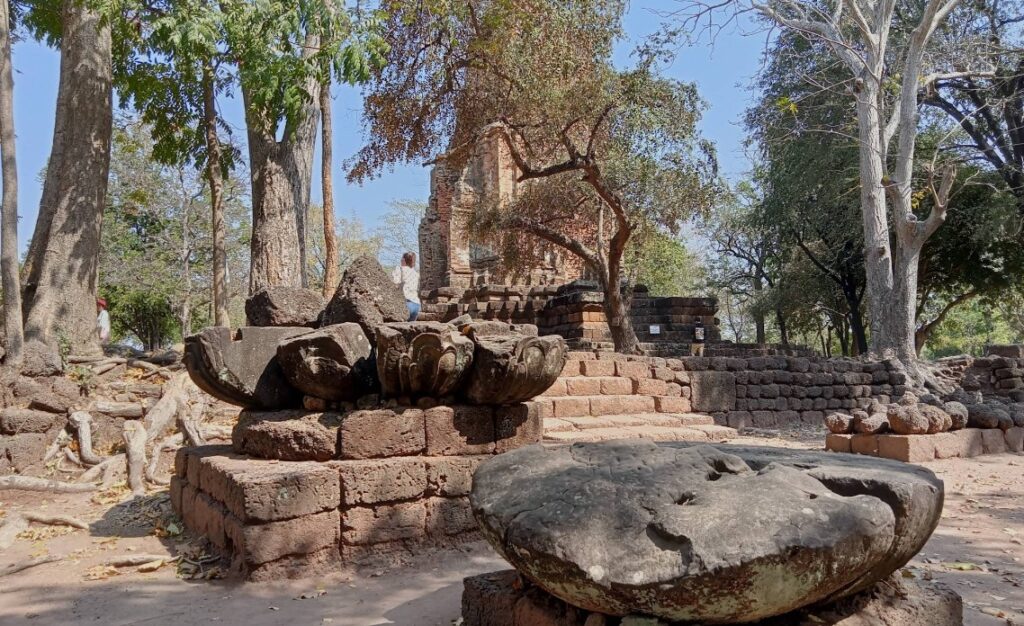
Si Thep Historical Park did not greet me with towering monuments or crowded walkways. Instead, the ancient city appeared quietly beneath a wide blue sky, surrounded by old trees, open grass, and scattered brick ruins.
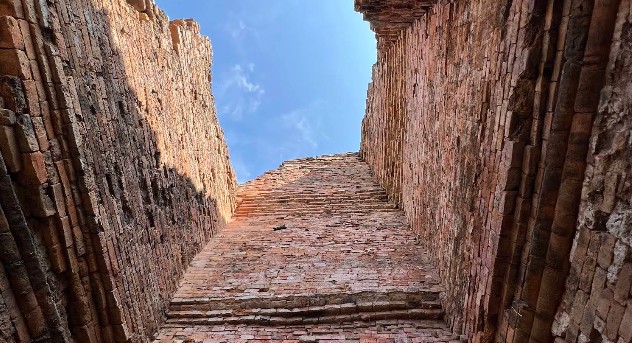
Walking into the park felt less like entering a tourist attraction and more like stepping into a place that had been left alone with time. Low foundations stretched across the ground, while weathered towers rose above the peaceful landscape.
At first, the ruins seemed silent. But as I walked deeper into the ancient city, small details began to appear—old pathways, carefully laid bricks, fragments of sacred buildings, and traces of people who had once lived and worshipped here.
Si Thep was not simply one temple or one monument. It was once a complete fortified city, shaped over many centuries by religion, trade, craftsmanship, and changing cultural influences.
The quiet atmosphere made it easier to imagine the city before it became a ruin: monks walking between religious buildings, craftsmen working with brick and stone, and travelers arriving from distant regions along ancient routes.
Video
Walking through Si Thep Historical Park, where ancient ruins and surviving reliefs reveal the long history of the Dvaravati world.
A City Slowly Recovered from the Earth
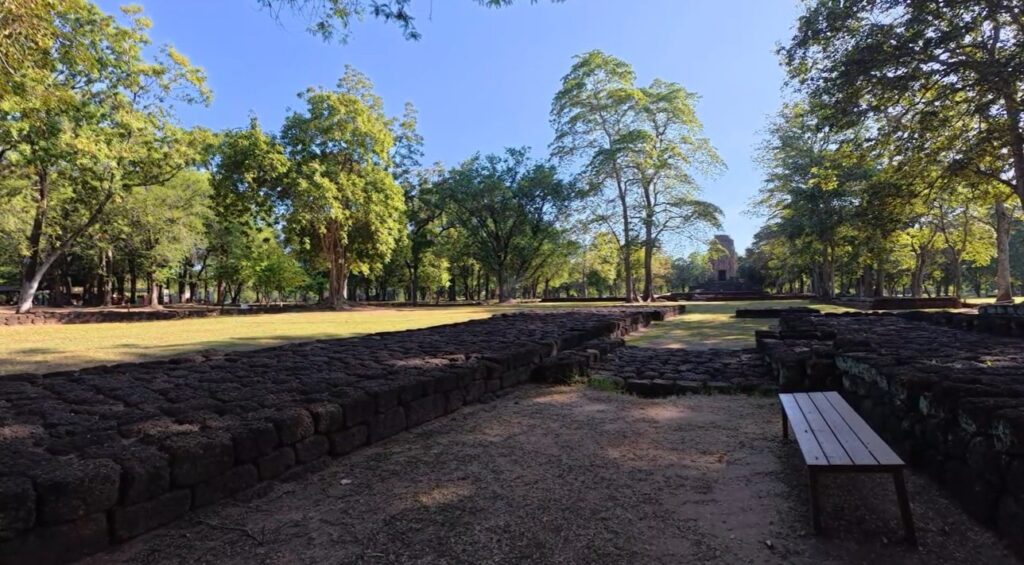
Si Thep did not return to history through one dramatic discovery. Its story was gradually reconstructed through surveys, excavations, conservation work, and the patient study of ruins spread across the ancient city.
For centuries, parts of the old settlement remained hidden beneath soil, vegetation, and collapsed brickwork. Archaeologists later uncovered foundations, religious structures, defensive walls, moats, ponds, sculptures, and objects that revealed how large and organized the city had once been.
The remains showed that Si Thep was carefully planned. The inner and outer sections of the city were protected by earthen walls and moats, while water reservoirs supported the people who lived within them. Religious monuments were placed throughout the settlement, suggesting that spiritual life was closely connected with the structure of the city itself.
Excavation also revealed that Si Thep belonged to more than one historical period. Buildings were repaired, expanded, or adapted as religious beliefs and regional powers changed. Each layer of brick and sculpture became part of a longer story rather than the work of a single ruler or dynasty.
Walking among these exposed foundations, I could sense how much still remained beneath the ground. What we see today is only part of the city that once stood here.
Khao Klang Nai and the Reliefs That Still Breathe
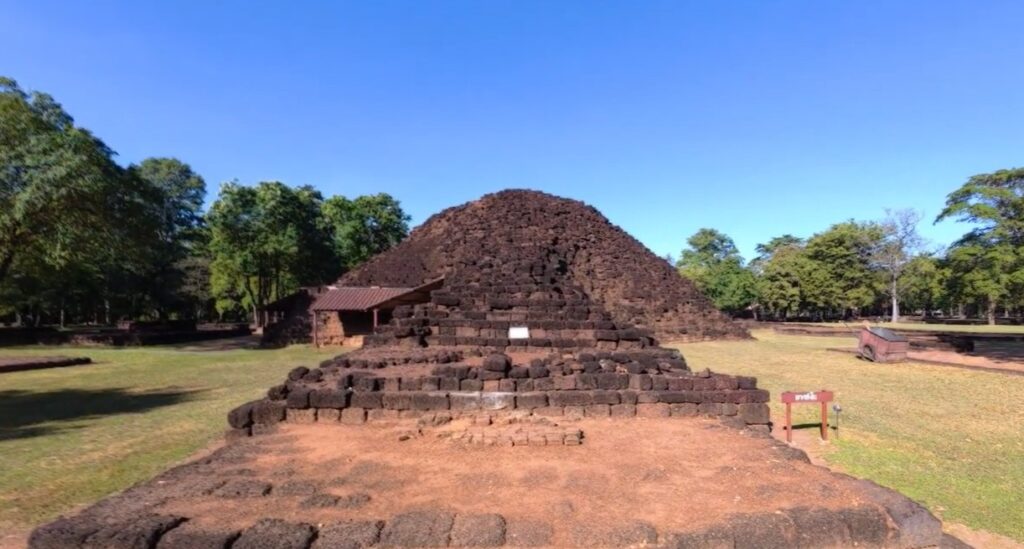
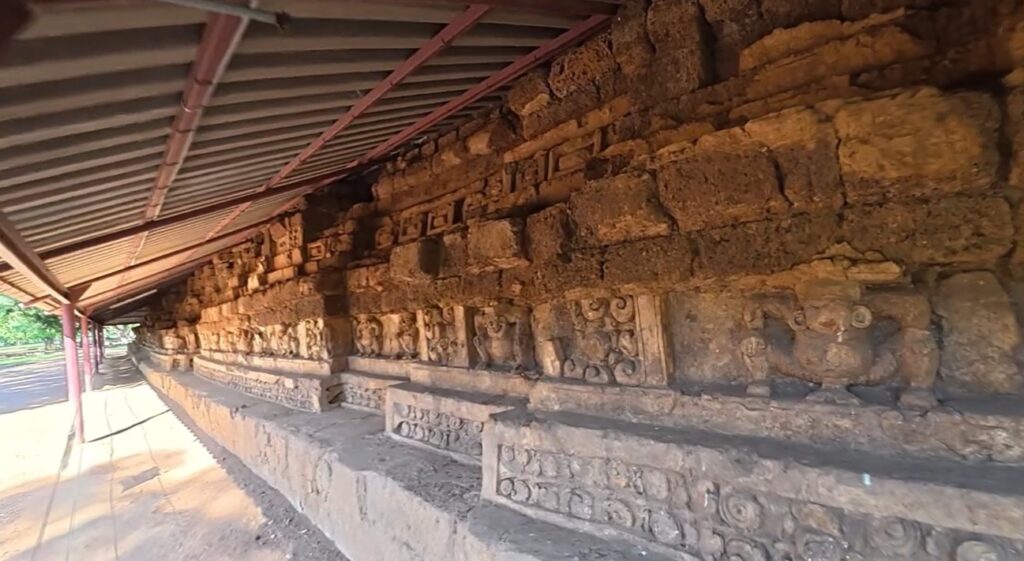
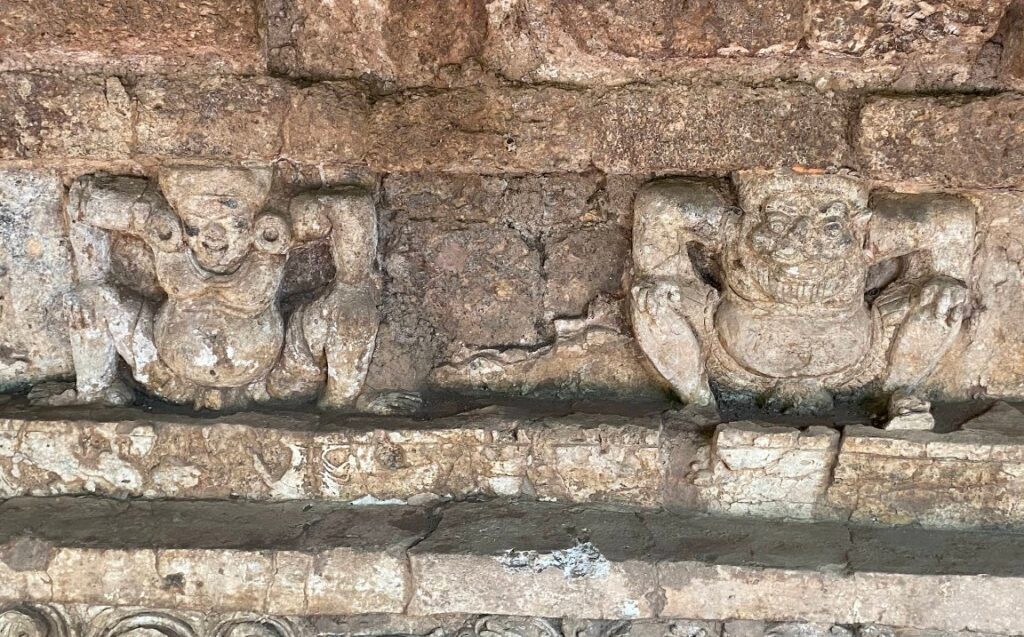
At the heart of the ancient city stands Khao Klang Nai, one of Si Thep’s most important Dvaravati monuments. Much of the upper structure has disappeared, but the large laterite base still preserves something extraordinary—rows of ancient stucco reliefs that have survived for more than a thousand years.
This was the part of Si Thep that fascinated me most.
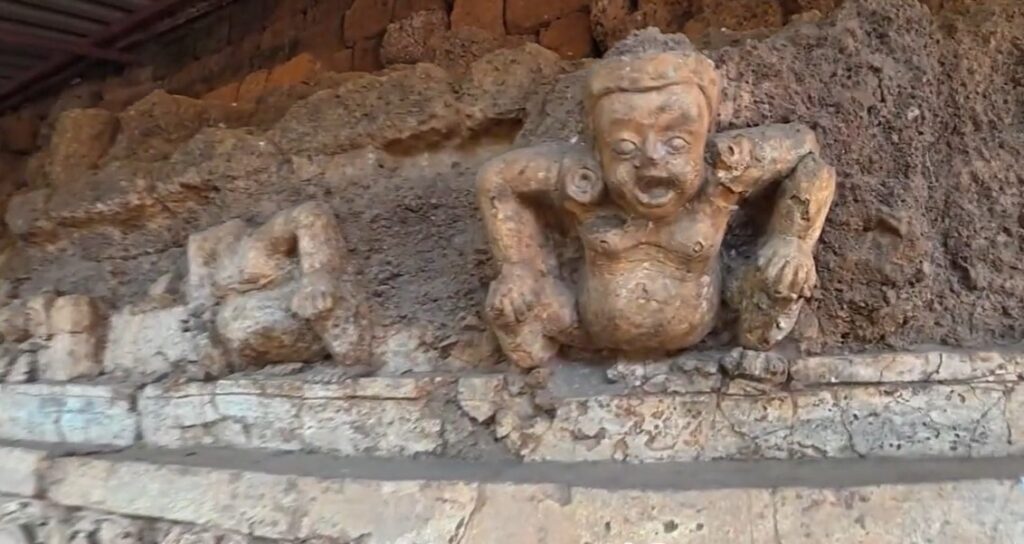
Along the base, human-like figures, animals, mythical creatures, and curling decorative forms still emerged from the weathered surface. Some had lost their faces or limbs, while others remained surprisingly clear. Their bodies seemed to bend beneath the weight of the monument, as though they were still supporting the sacred structure above them.
I stood close and examined them one by one. They were damaged, incomplete, and worn by rain and heat, yet they did not feel lifeless. Their expressions and movements still carried the imagination of the craftsmen who created them.
What amazed me was not simply that the reliefs had survived. It was the feeling that something of the ancient artists remained alive within them.
More than a thousand years had passed. Kingdoms had risen and disappeared, religions had changed, and the city itself had fallen silent. Yet these small figures continued to look outward from the walls.
For a moment, the distance between their world and mine seemed surprisingly small.
The Dvaravati World of Si Thep
Si Thep was not created by one famous king, nor was it the capital of a single clearly recorded dynasty. Its history is more complex. The city developed through many generations of rulers, monks, merchants, craftsmen, farmers, and travelers whose names have largely disappeared.
The most important period of Si Thep’s prosperity was during the Dvaravati era, particularly from around the 6th to the 10th centuries. At that time, communities across central Thailand were connected by shared Buddhist beliefs, artistic traditions, trade, and political relationships.
Rather than a tightly unified kingdom ruled from one known capital, Dvaravati is generally understood as a network of important regional cities. Si Thep was one of those major urban and religious centers.
Its location helped the city grow. Positioned between Thailand’s central plains and the northeastern plateau, Si Thep stood near routes used for the movement of people, goods, religious ideas, and artistic styles. Local products could be exchanged while influences arriving from India and other parts of Southeast Asia were gradually absorbed and transformed.
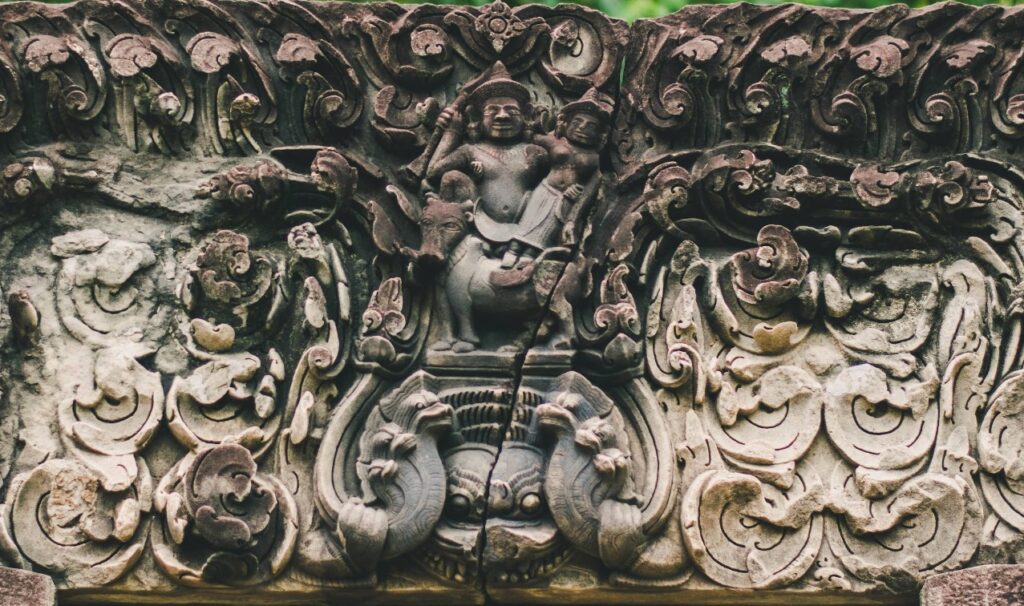
Buddhism played a central role in the life of the city. Both Theravada and Mahayana traditions left their influence, while Hindu beliefs were also present. These different traditions can be seen in Si Thep’s monuments, sculptures, sacred images, and decorative art.
The result was not a simple copy of Indian civilization. The people of Si Thep adopted ideas from distant regions and reshaped them into a distinctive local culture. The expressive sculptures and living movements of the relief figures are among the clearest examples of that creativity.
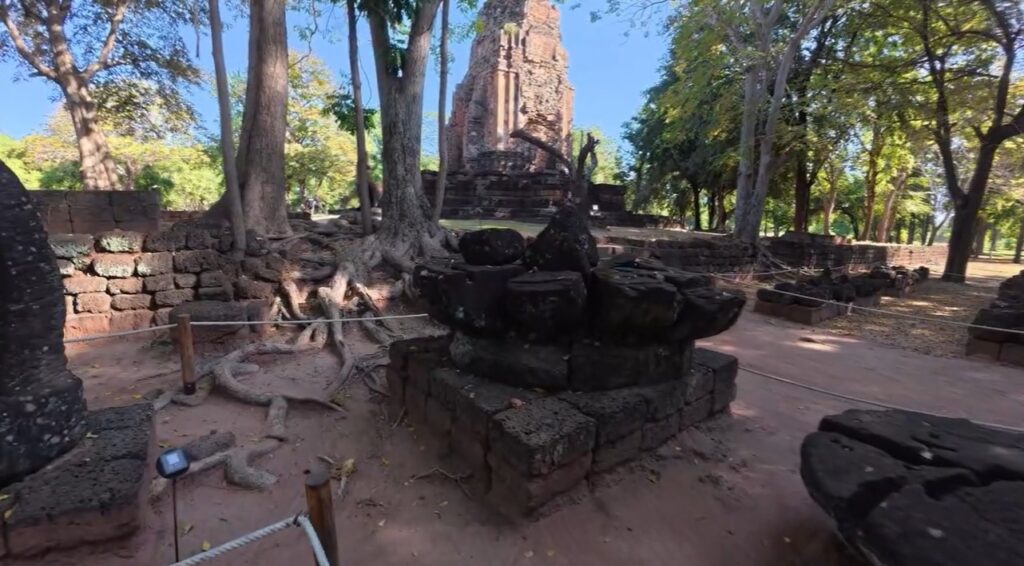
Where Buddhism, Hinduism, and Khmer Influence Met
The monuments of Si Thep reveal that the ancient city was never shaped by only one religious tradition.
Theravada and Mahayana Buddhism existed alongside Hindu beliefs, while ideas arriving from India were gradually adapted by local craftsmen and communities. Rather than simply copying foreign models, the people of Si Thep created their own artistic language—one that can still be recognized in the movement, proportions, and expressions of its surviving sculptures.
This cultural mixture is one of the qualities that makes Si Thep so important. Buddhist monuments stood within the same urban landscape as Hindu sanctuaries, reflecting a society in which several sacred traditions could coexist and influence one another.
In the city’s later period, stronger Khmer cultural influence also appeared. Some buildings and religious practices changed, and Hindu traditions connected with Shiva and Vishnu became more visible. Older Dvaravati monuments were not necessarily erased; instead, new ideas were added to the city’s existing cultural layers.
Walking between the different ruins, I began to understand Si Thep not as the remains of one kingdom frozen in time, but as a living city that continued to change. Each generation inherited sacred places from the past and then reshaped them according to its own beliefs.
That long process of exchange created the distinctive Si Thep School of Art, whose influence later extended into other parts of Thailand.
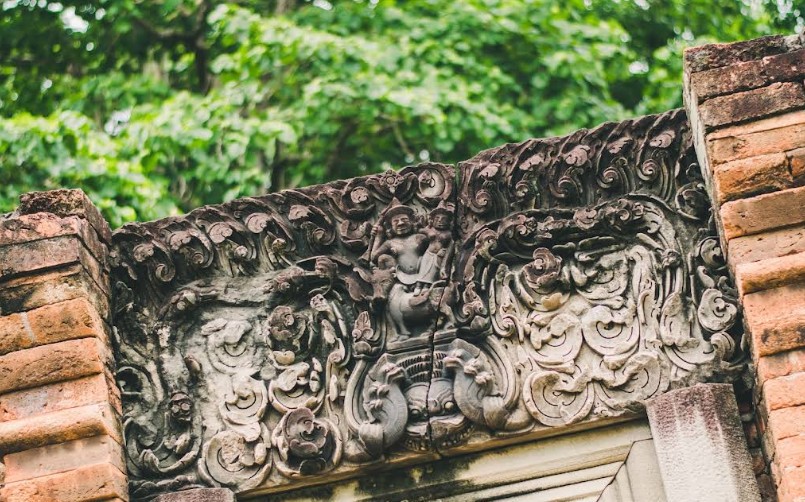
Why Si Thep Became a UNESCO World Heritage Site
In 2023, the Ancient Town of Si Thep and its associated Dvaravati monuments were inscribed on the UNESCO World Heritage List.
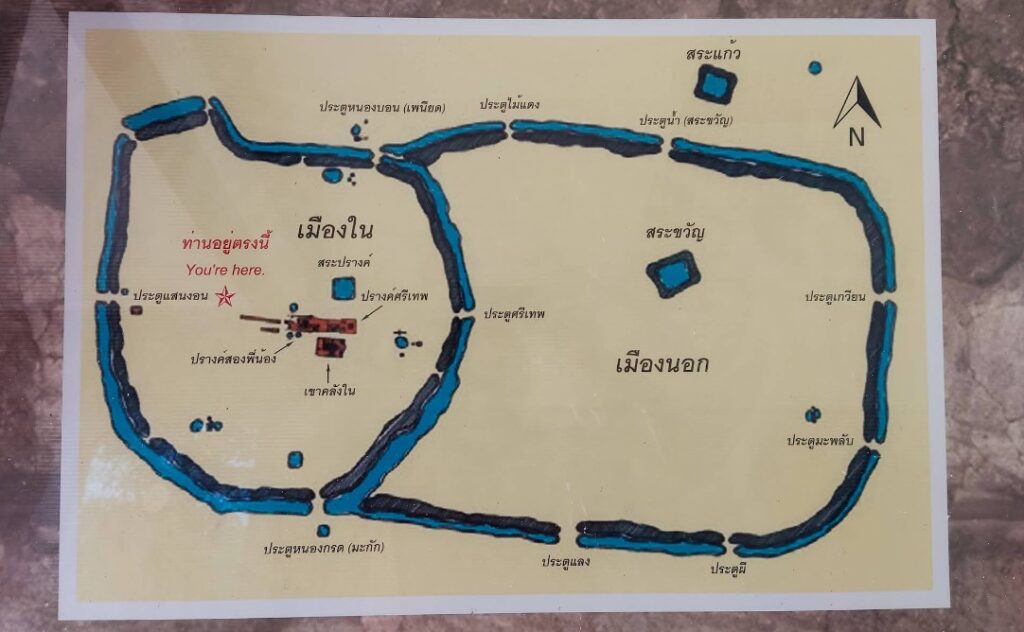
The designation includes three connected places: the ancient twin town of Si Thep, Khao Klang Nok, and Khao Thamorrat Cave. Together, they preserve far more than a collection of individual ruins. They form an ancient cultural landscape that reveals how a major Dvaravati community lived, worshipped, organized water, planned its city, and communicated with other regions.
Si Thep is especially important because of its unusual twin-town layout. Muang Nai, the inner town, and Muang Nok, the outer town, were surrounded by moats and defensive earthworks. This large and carefully organized urban form shows that Si Thep was once a powerful regional center rather than a small religious settlement.
UNESCO also recognized the city as evidence of cultural exchange. Religious and artistic traditions that originated in India reached this part of Southeast Asia and were transformed by local communities. Buddhism and Hinduism were not merely imported; they were adapted into distinctive architecture, sculpture, and sacred imagery.
The surviving reliefs of Khao Klang Nai are part of this value. Their importance does not depend only on their age. They preserve the imagination, craftsmanship, and spiritual world of a society whose written history remains limited.
Si Thep therefore represents both historical evidence and human memory. Its walls, monuments, water systems, sculptures, and buried foundations allow us to understand an important civilization that once connected central Thailand with the northeastern plateau and the wider cultural world of Southeast Asia.
Standing inside the park, however, its value felt more immediate than any official designation. The ruins were no longer simply archaeological objects. They became traces of real people who had built, believed, created, and lived here more than a thousand years ago.
Faces That Survived the Lost City
I entered Si Thep expecting to see ancient brick foundations, ruined towers, and the remains of a once-important city.
What stayed with me most, however, were the relief figures still clinging to the base of Khao Klang Nai.
Their surfaces had been worn down by more than a thousand years of heat, rain, wind, and silence. Some faces had almost disappeared. Some bodies were broken, and many details could no longer be understood with certainty.
Yet they were still alive.
Their curved backs, raised arms, unusual expressions, and animal-like forms continued to carry movement. They seemed to be holding up not only the ancient monument above them, but also the memory of the people who created them.
I wondered about the craftsmen who shaped these figures. They probably never imagined that someone from another country would stand before their work more than a thousand years later, studying the same faces and feeling their presence.
The great rulers of Si Thep are mostly unknown. Their names were not preserved as clearly as the kings of Sukhothai, Ayutthaya, or the Khmer Empire. But the hands of ordinary artists survived through their work.
That may be one of the most powerful lessons of Si Thep.
A kingdom can disappear. A city can be abandoned. Written records can be lost. Yet a small expression carved into plaster can cross centuries and speak again.
As I walked away from Khao Klang Nai, the ruins no longer felt completely silent. Behind the broken bricks and weathered walls, the ancient city still held the voices of its builders.
Si Thep had been lost, but it had not entirely disappeared.
Gallery
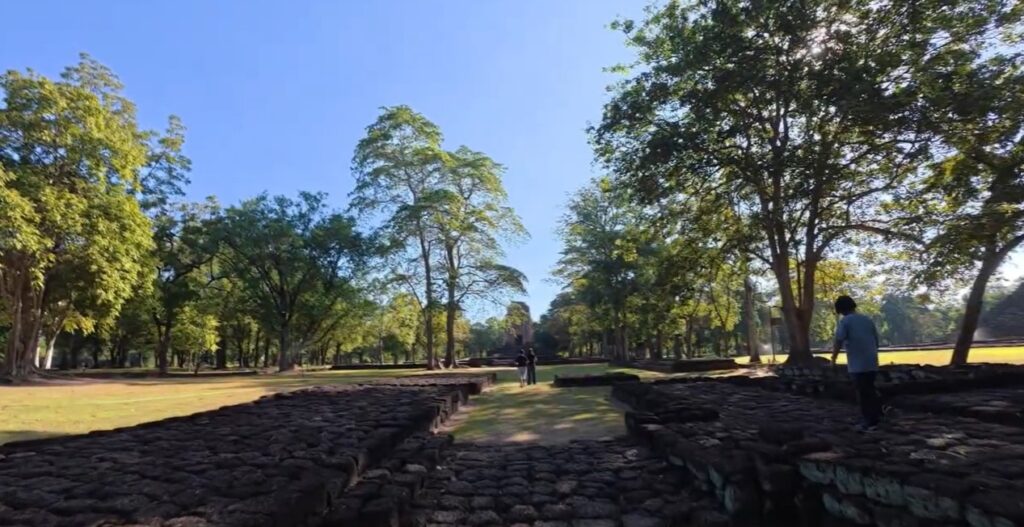
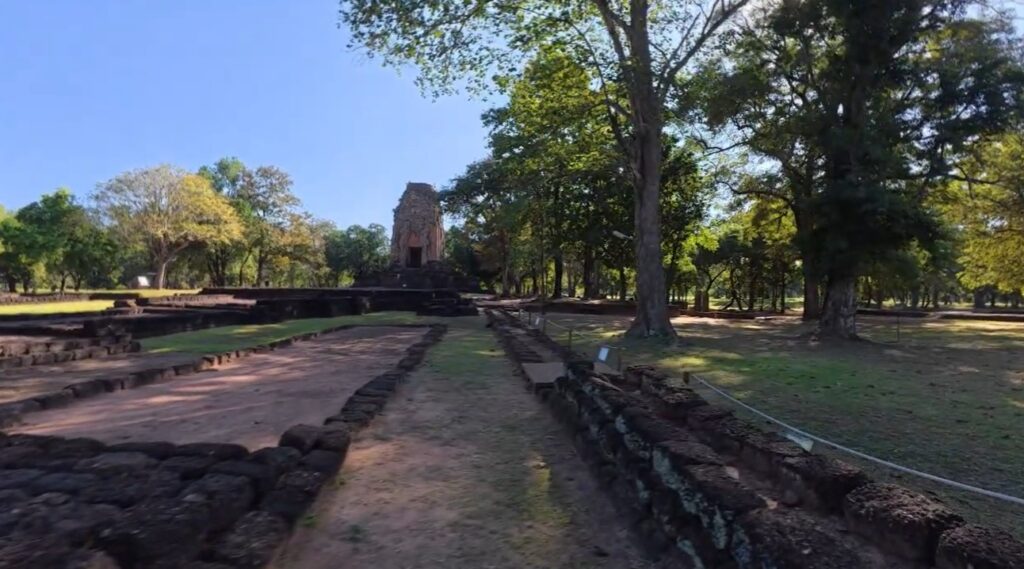
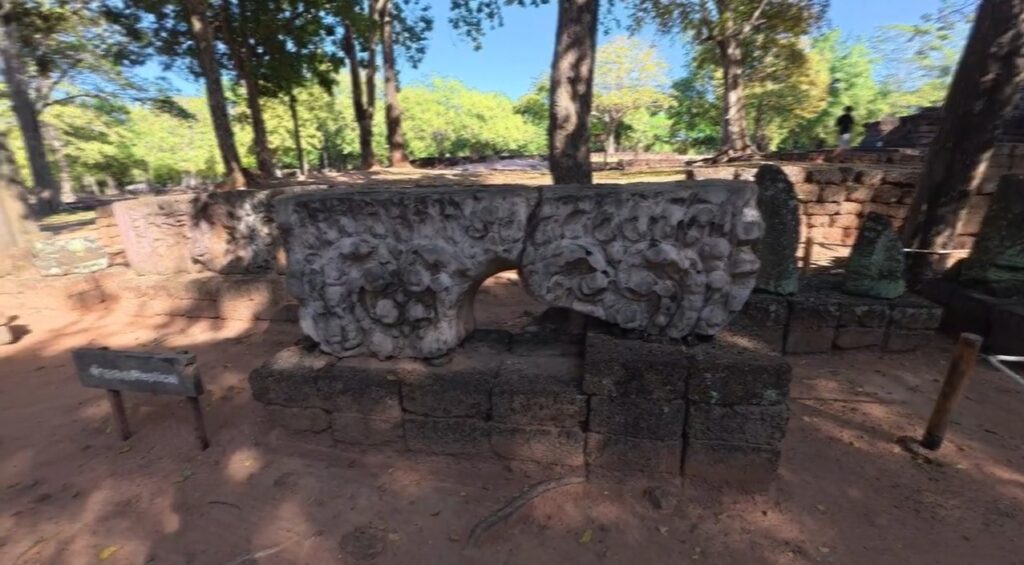
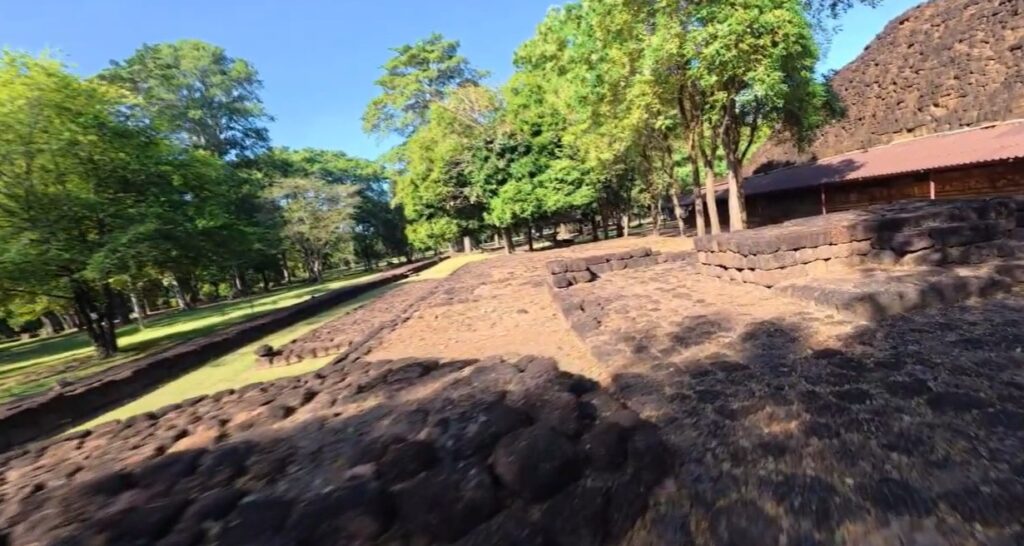
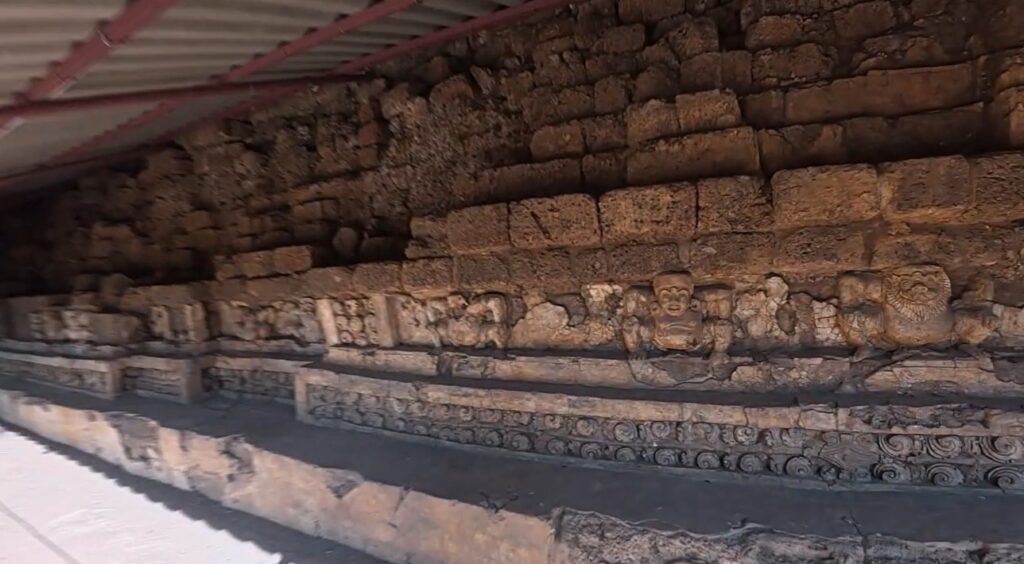
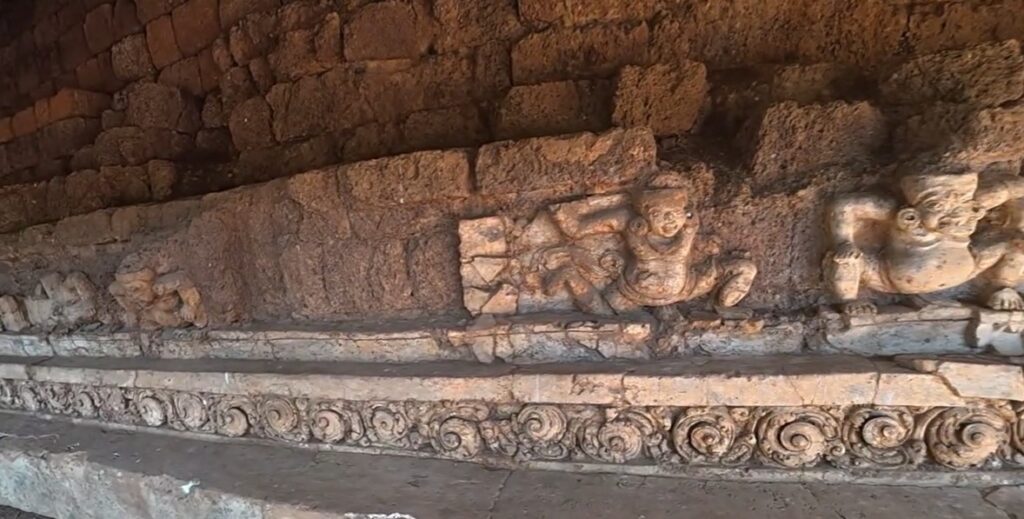
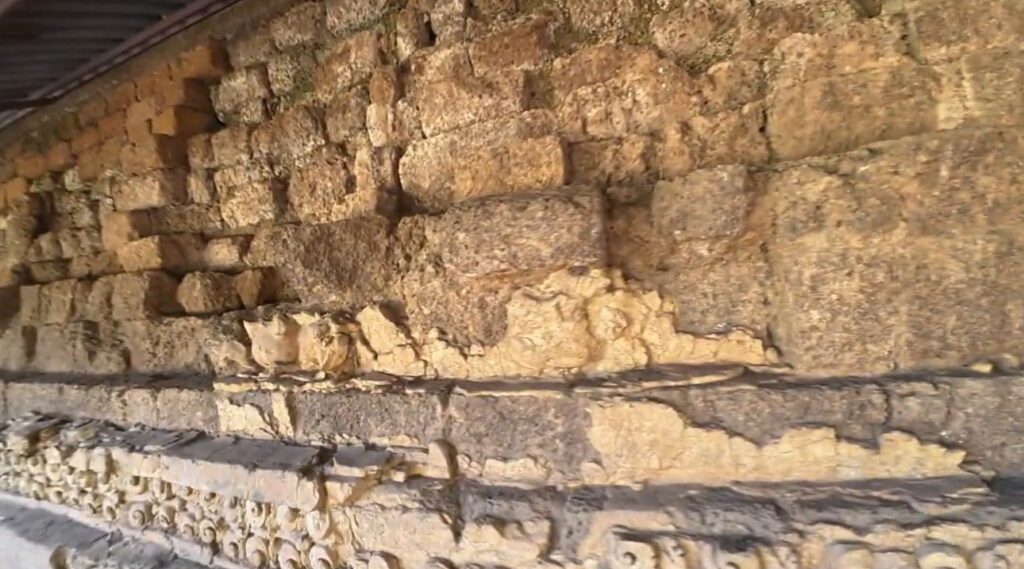
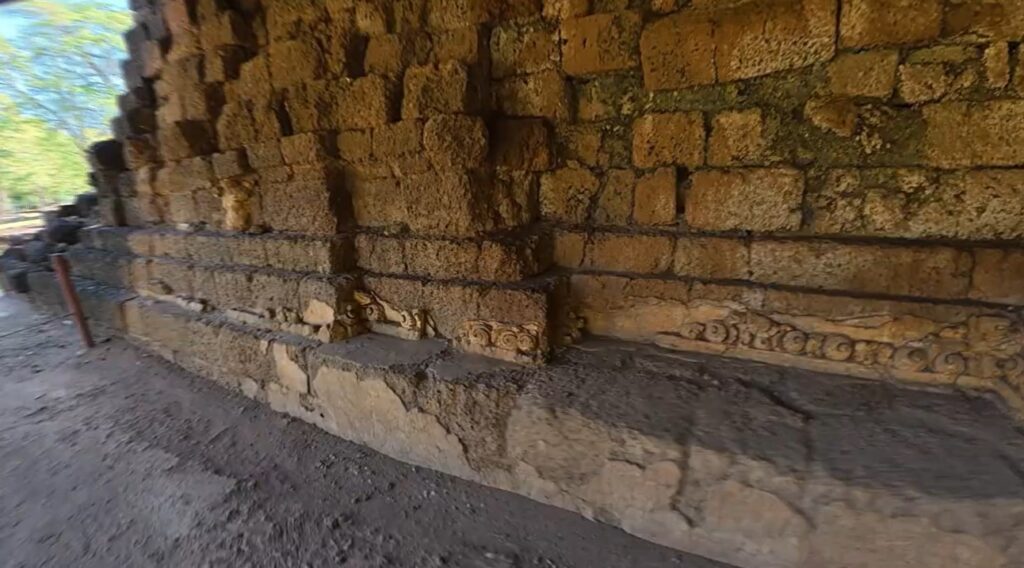
Surviving reliefs, ancient brick monuments, and quiet corners of Si Thep Historical Park.
Visitor Information
Si Thep Historical Park is located in Si Thep District, Phetchabun Province, Thailand. The park is large, so it is worth allowing enough time to walk slowly through the inner city and visit the major monuments without rushing.
The midday heat can be strong, and many sections are exposed to direct sunlight. A hat, drinking water, and comfortable walking shoes are recommended.
The most important places within and around the historical park include Khao Klang Nai, Prang Si Thep, Prang Song Phi Nong, the ancient city walls and moats, Khao Klang Nok, and Khao Thamorrat Cave.
Because the remains are fragile, visitors should avoid touching the surviving stucco reliefs or climbing on the ancient structures.
Location
Si Thep Historical Park, Phetchabun, Thailand
UNESCO World Heritage
The Ancient Town of Si Thep and its Associated Dvaravati Monuments
Continue the journey to
Khao Klang Nok, the great Dvaravati monument outside the ancient city.