Where the Past Still Feels Present
Walking among the ancient towers of Phra Prang Sam Yot, I did not feel that I was standing inside an empty ruin. The weathered walls, narrow doorways, and surviving carvings seemed to preserve the presence of the people who once came here to pray.
It felt as though they had only stepped away for a moment. Their voices were gone, yet something of their faith and daily life still remained within the stone.
Three Towers, One Sacred Space
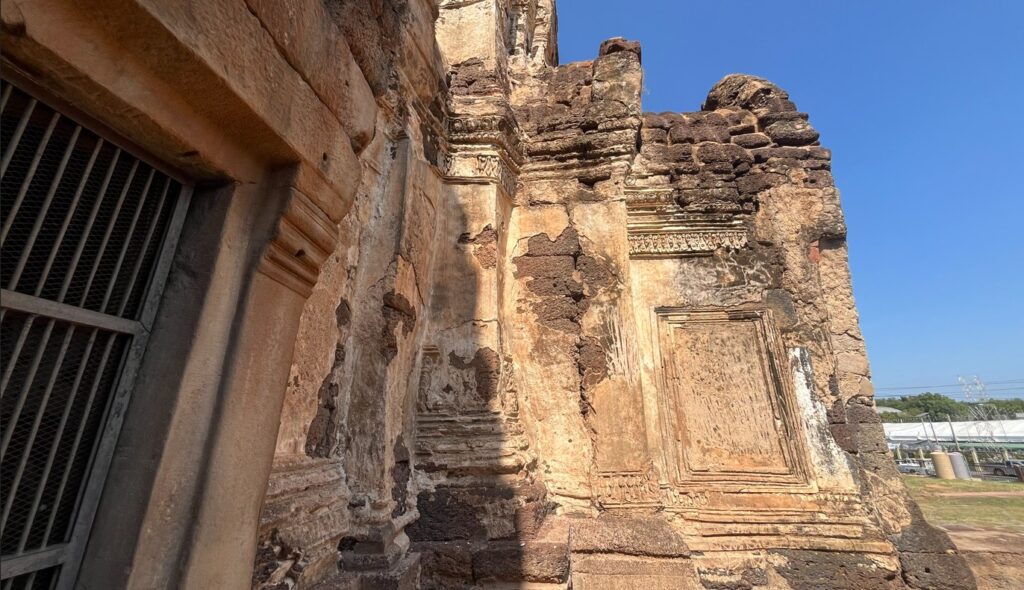
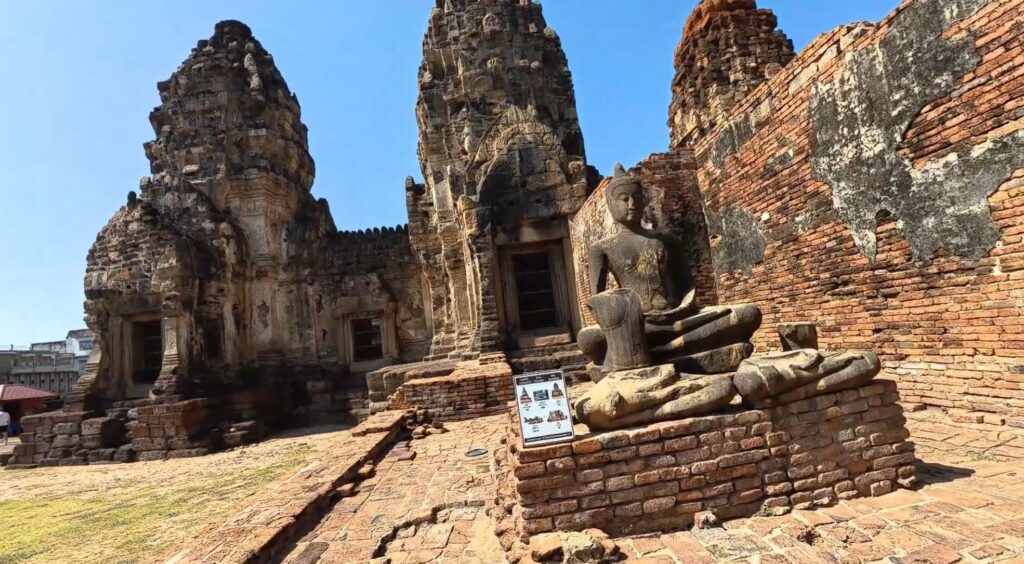
The three prangs stand side by side, connected as one sacred structure. Their tall forms, layered stonework, and deeply recessed doorways reveal the influence of Khmer architecture that once spread across this region.
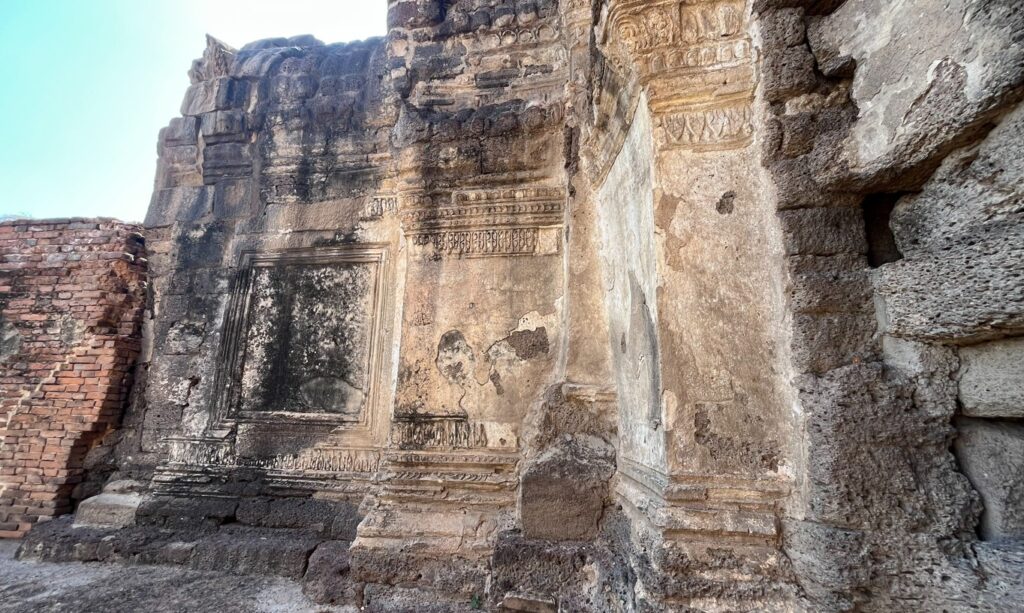
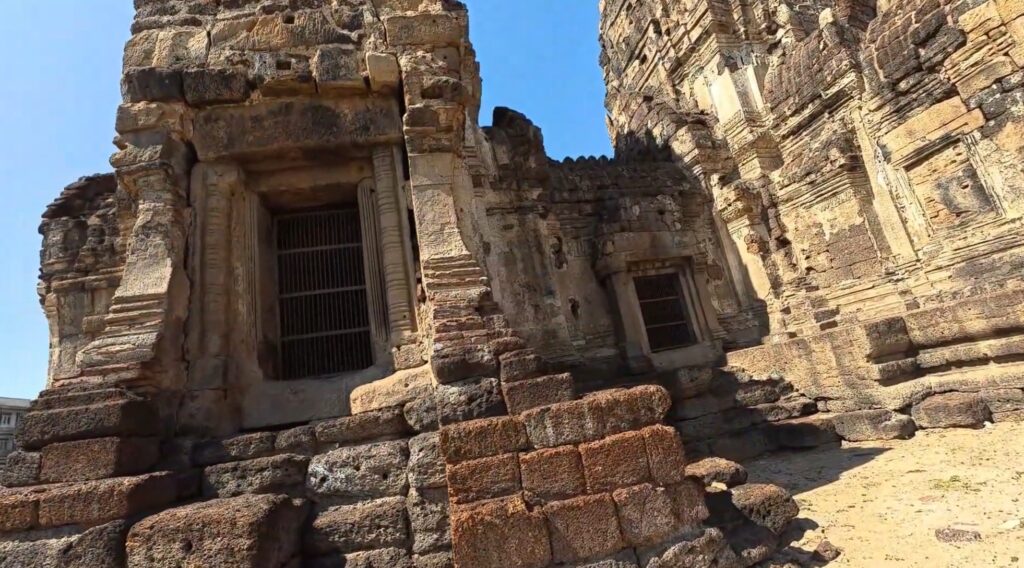
Even after centuries of rain, heat, conflict, and neglect, many decorative forms remain visible. The carvings are worn, but they have not lost their presence. Looking closely, I could still feel the skill of the craftsmen who shaped each surface by hand.
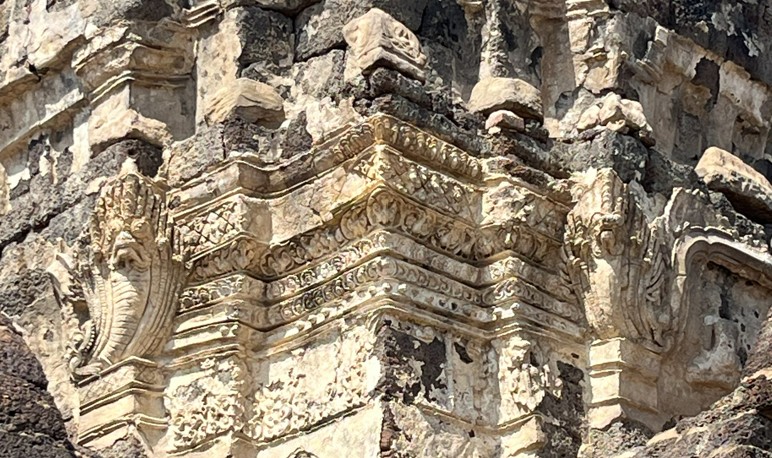
Carvings That Still Seem Alive
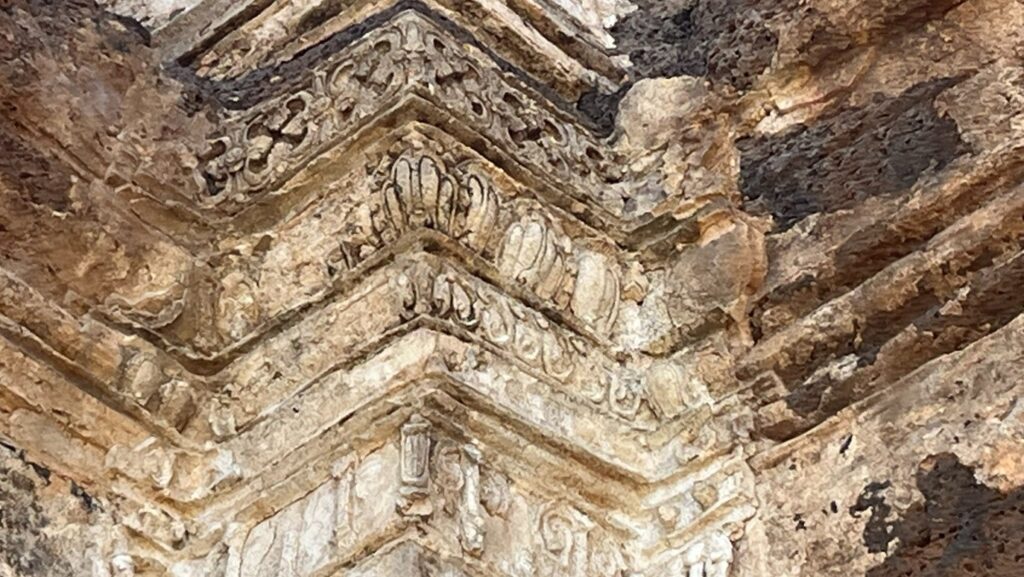
The closer I came to the ancient walls, the more details appeared. Decorative patterns, layered frames, and fragments of relief still clung to the surface of the towers.
Many parts had been worn away, yet the remaining forms did not feel lifeless. They seemed to hold the movement of the hands that carved them centuries ago. Standing there, I felt that the craftsmen, monks, and worshippers of that time had not completely disappeared.
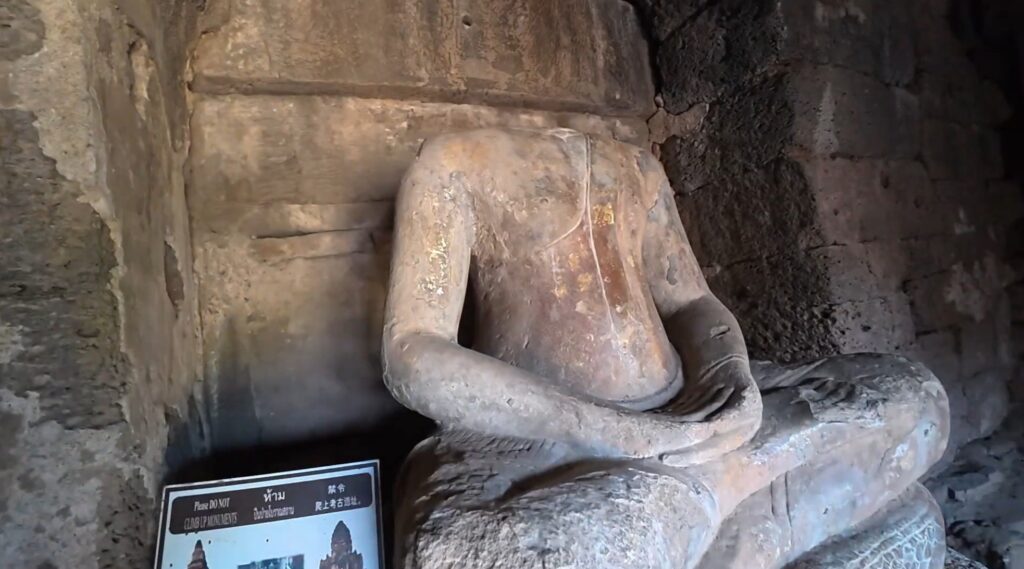
A Buddha Marked by History
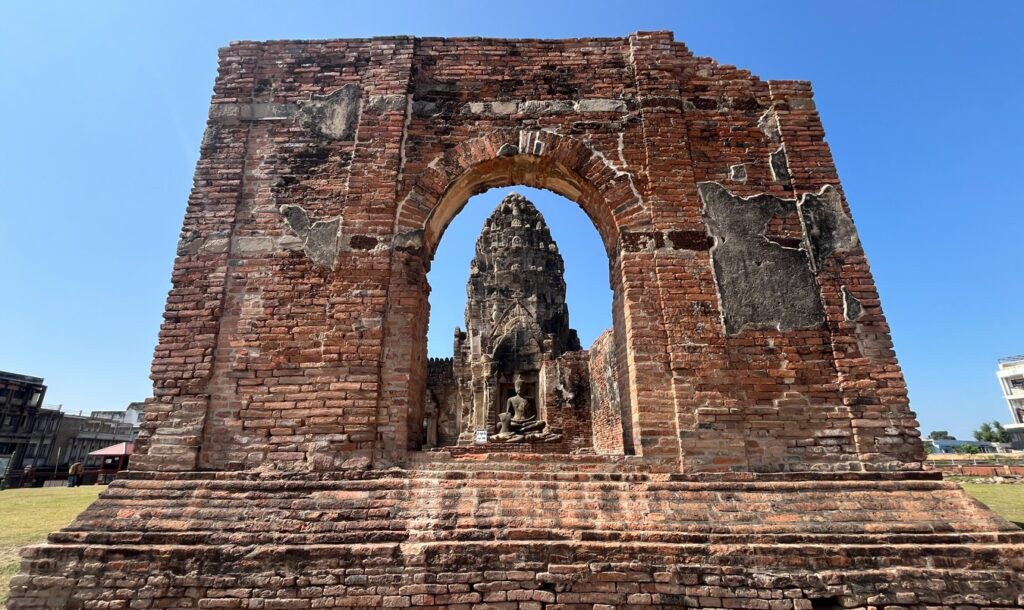
Inside the dark chamber, I found a seated Buddha whose head had been lost. No one can say with certainty who damaged it or exactly when it happened. War, looting, religious change, neglect, and the passage of centuries may all have played a part.
Standing before the broken image, I felt a deep sadness. The statue was not only damaged stone. It seemed to carry the pain of a world that had once believed, prayed, and lived here—and was later torn apart by history.
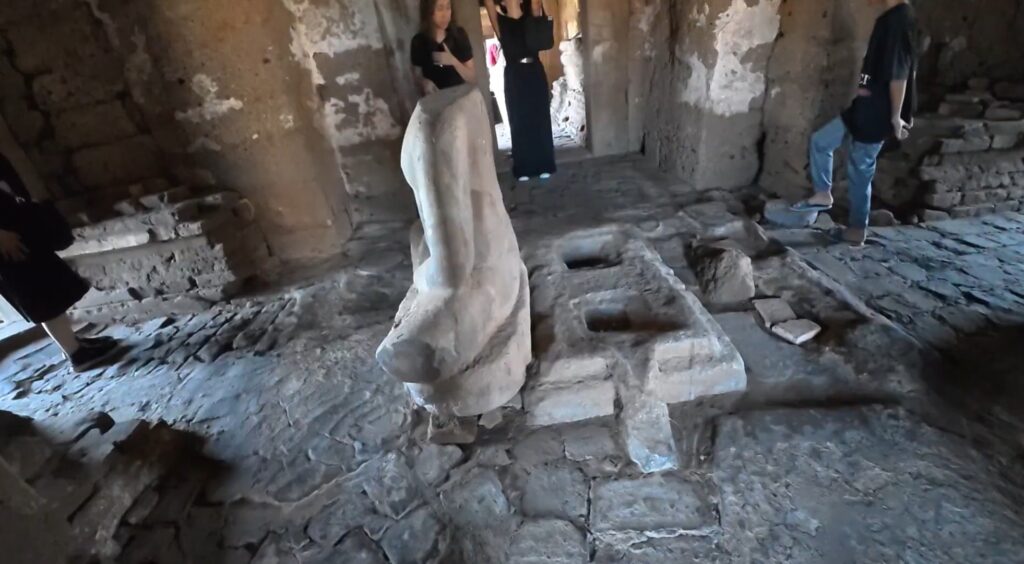
The Sacred Chamber Within
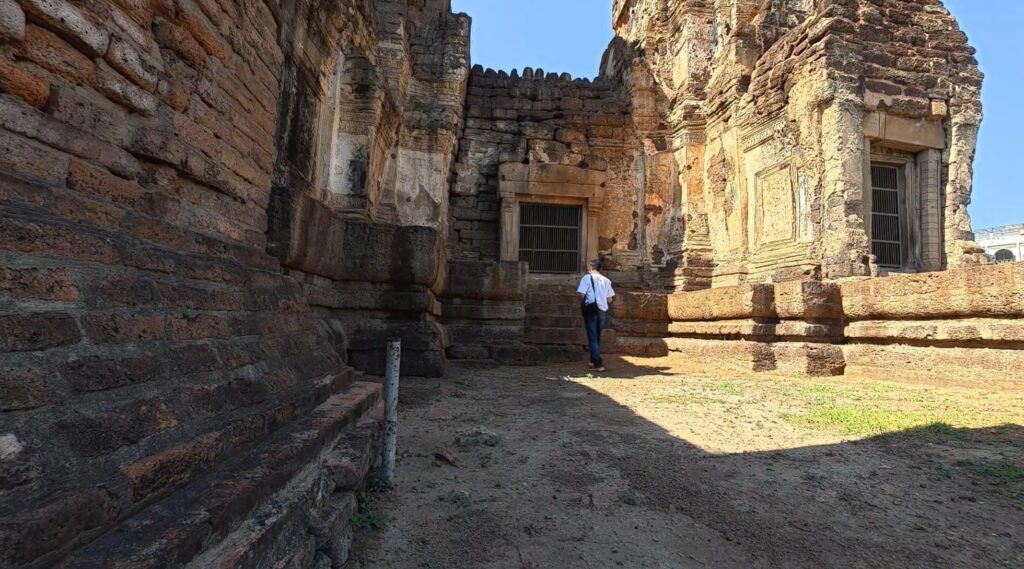
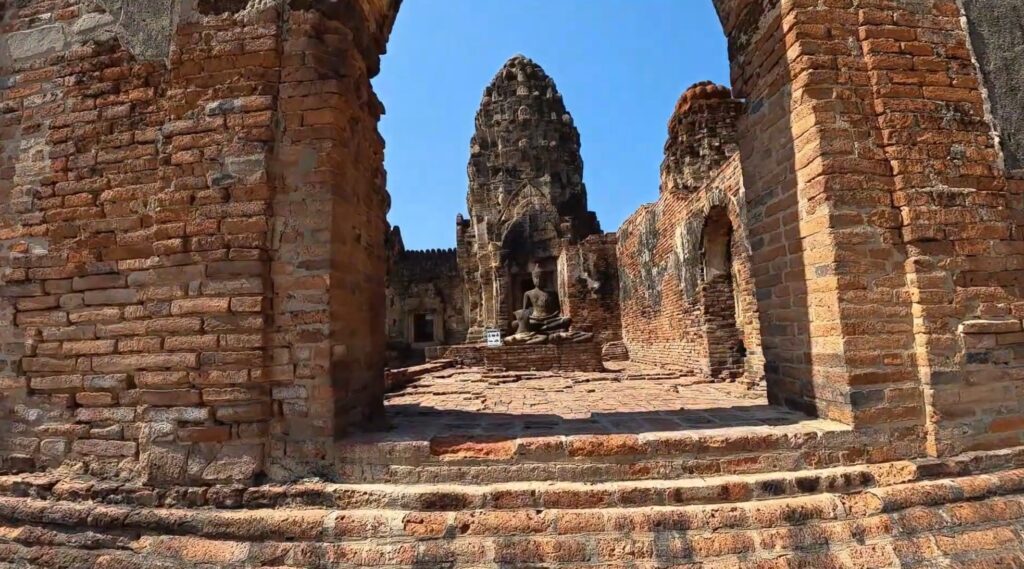
Passing through the narrow doorway, the bright sunlight outside slowly disappeared. Inside, the cool and shadowed chamber felt separated from the modern city surrounding it.
The seated Buddha images revealed that this ancient structure continued to serve as a place of worship long after its original construction. Different periods of belief had gathered within the same walls, leaving behind layers of history rather than a single frozen moment.
From Mahayana Sanctuary to Buddhist Temple
Phra Prang Sam Yot was originally created as a Khmer religious sanctuary during a period when Mahayana Buddhism influenced Lopburi. The three connected towers formed a symbolic sacred space, reflecting the religious ideas and architectural traditions of that era.
In later centuries, the site was adapted for Theravada Buddhist worship. New Buddha images and additional structures were introduced, allowing the monument to continue as a living religious place rather than becoming only an abandoned ruin.
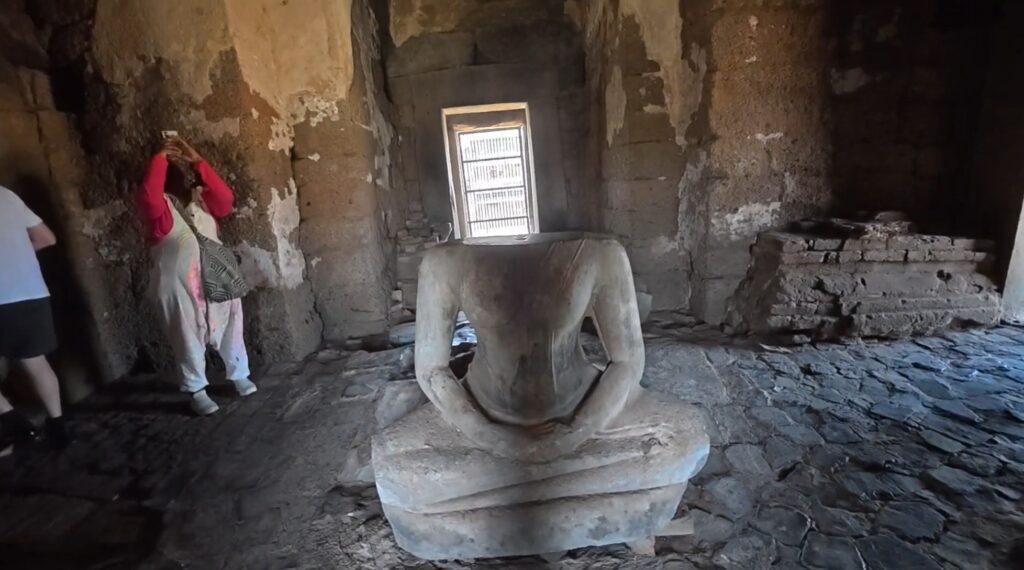
The Faces Hidden in the Stone
Around the towers, fragments of sculpted figures and decorative forms still emerge from the weathered surface. Some are damaged beyond recognition, while others retain enough detail to suggest faces, bodies, and sacred symbols.
Looking at them closely, I felt that the stones were still holding memories of the people who created and worshipped here. Time had erased their names, but not their presence.
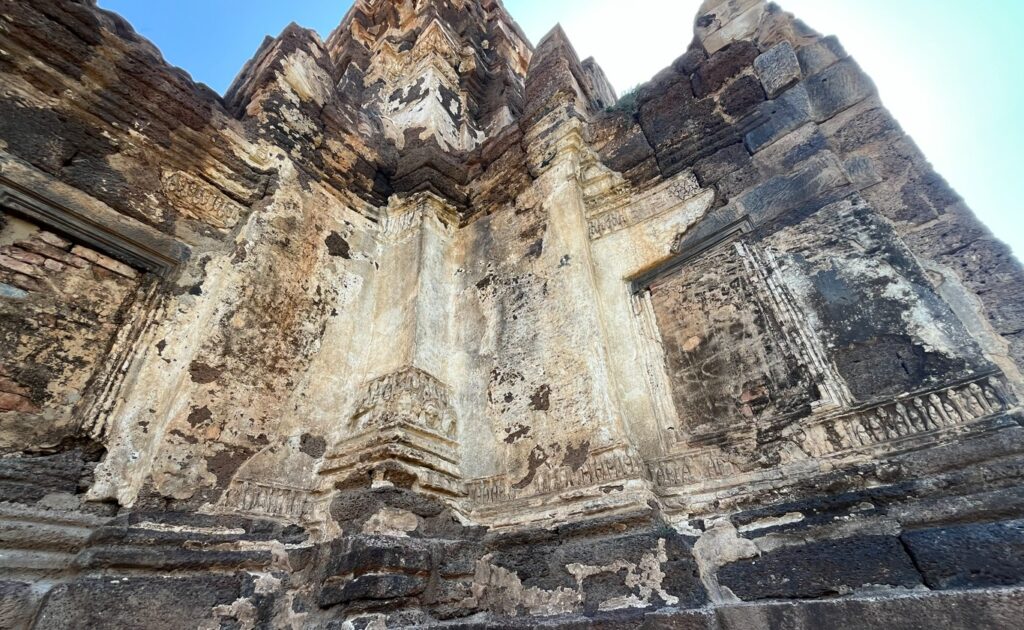
The Passage of Centuries
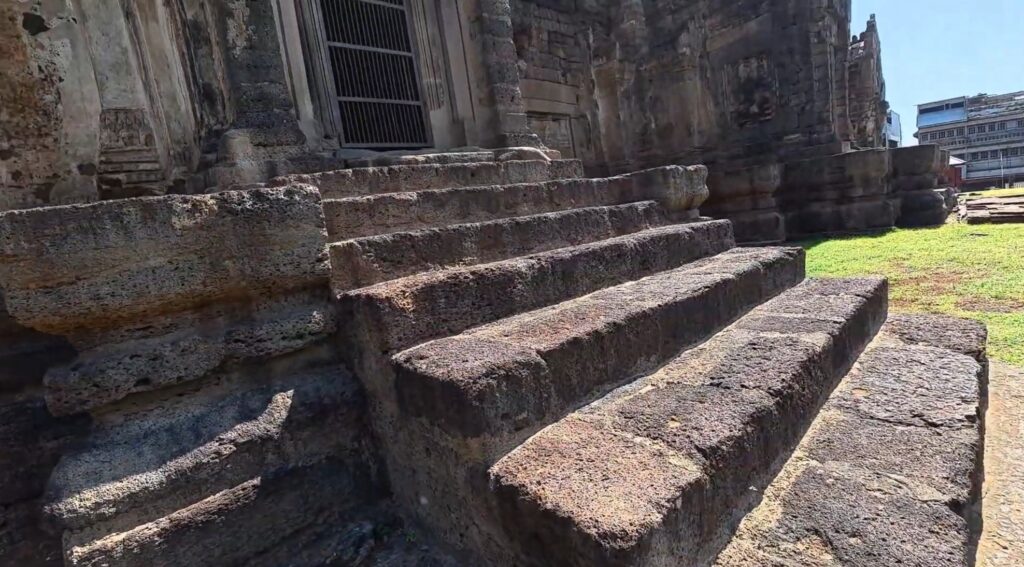
Walking around the connected towers, I could see how time had changed every surface. Parts of the walls had collapsed, while exposed bricks and stone blocks revealed the structure beneath the decoration.
Yet the monument had not lost its dignity. The broken edges, dark openings, and surviving carvings made its long history even more visible. It was beautiful not because it remained perfect, but because it still endured.
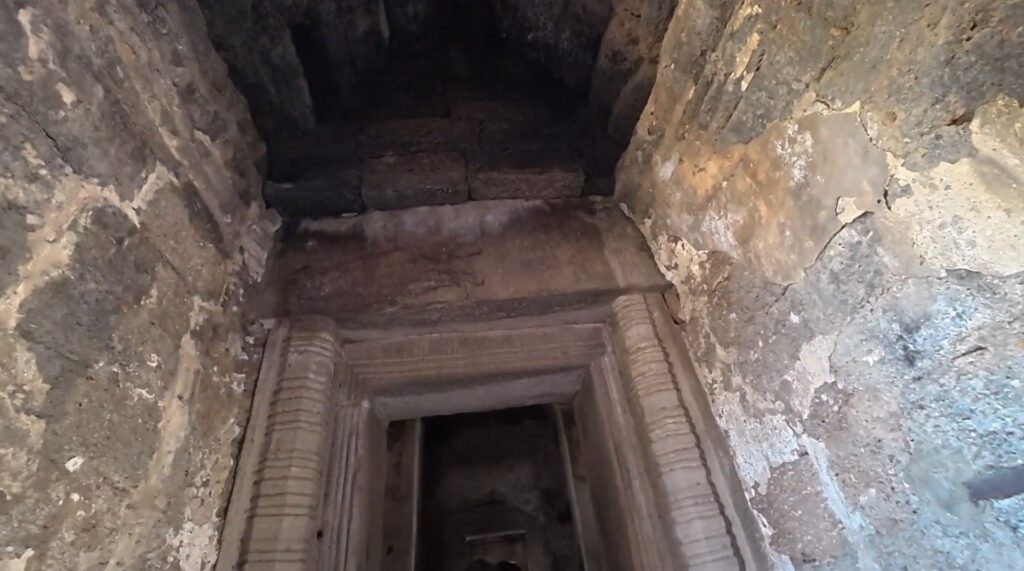
A Monument That Still Breathes
Phra Prang Sam Yot did not feel like a place abandoned by time. Its chambers, broken walls, and surviving reliefs still carried the presence of those who once built, prayed, and lived around this sacred monument.
As I left, I felt both admiration and sadness—admiration for the beauty that had survived, and sadness for everything that history had destroyed. Even in silence, the ancient stones continued to speak.
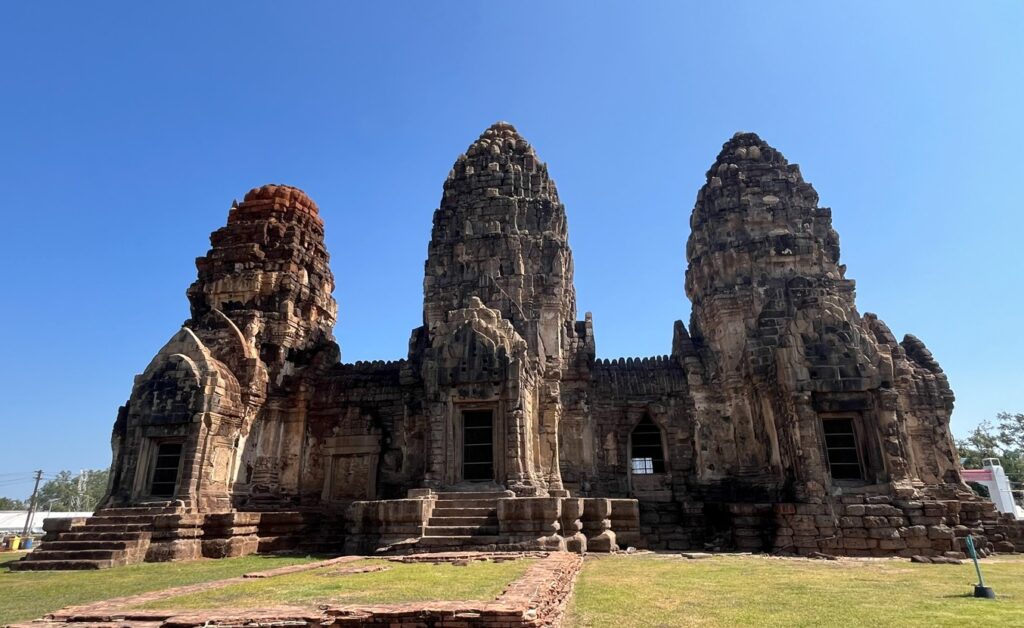
Walk through the ancient chambers of Phra Prang Sam Yot and see the surviving carvings, Buddha images, and weathered Khmer architecture.
Visitor Information
Location: Phra Prang Sam Yot, Lopburi, Thailand
Google Maps: https://maps.app.goo.gl/BJT7t7tj4Q6esz2q8
The monument stands in the old city of Lopburi and can be explored on foot. Take time to walk slowly around the three towers and look closely at the surviving reliefs, door frames, and interior Buddha images. Monkeys are often present around the site, so keep food, glasses, phones, and loose belongings secure.
External Links
Tourism Authority of Thailand: Official visitor information about Phra Prang Sam Yot and Lopburi.
Fine Arts Department of Thailand: Historical and archaeological information about protected monuments in Thailand.
Internal Links — Won Cub Life
Khao Klang Nok — The Ancient Monument of Si Thep
A related journey through Thailand’s surviving Khmer-influenced architecture and sacred ruins.
Si Thep Historical Park — Traces of an Ancient Civilization
Explore another historical site where sculptures, reliefs, and architectural remains still preserve the spirit of the past.
Return to History Directory
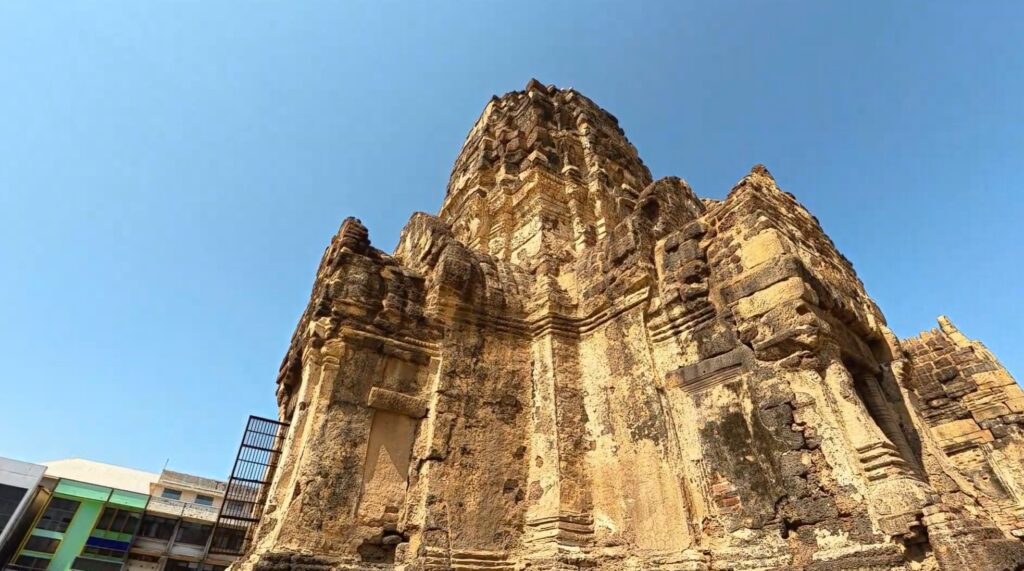
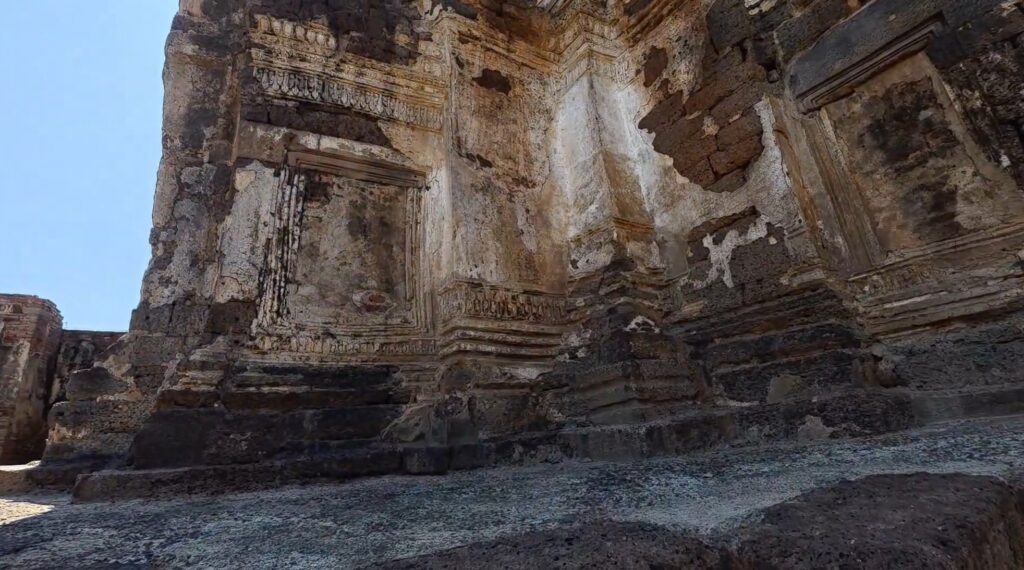
Details of Phra Prang Sam Yot — ancient towers, weathered carvings, silent chambers, and traces of Buddhist worship preserved through centuries.