Where Thailand Was Reborn
King Taksin the Great Shipyard in Chanthaburi is more than a historical museum—it is a place where Thailand’s recovery began.
Most travelers come to Chanthaburi for its beautiful coastline and peaceful rivers.
Few realize that this quiet shore once became the birthplace of Thailand’s recovery.
After the fall of Ayutthaya in 1767, King Taksin the Great led his followers eastward to Chanthaburi. Here, he rebuilt his fleet, gathered loyal soldiers, and prepared for the campaign that would reunite Siam.
Today, this historic shipyard stands as a reminder that great nations are often rebuilt not in moments of peace, but in times of courage and determination.
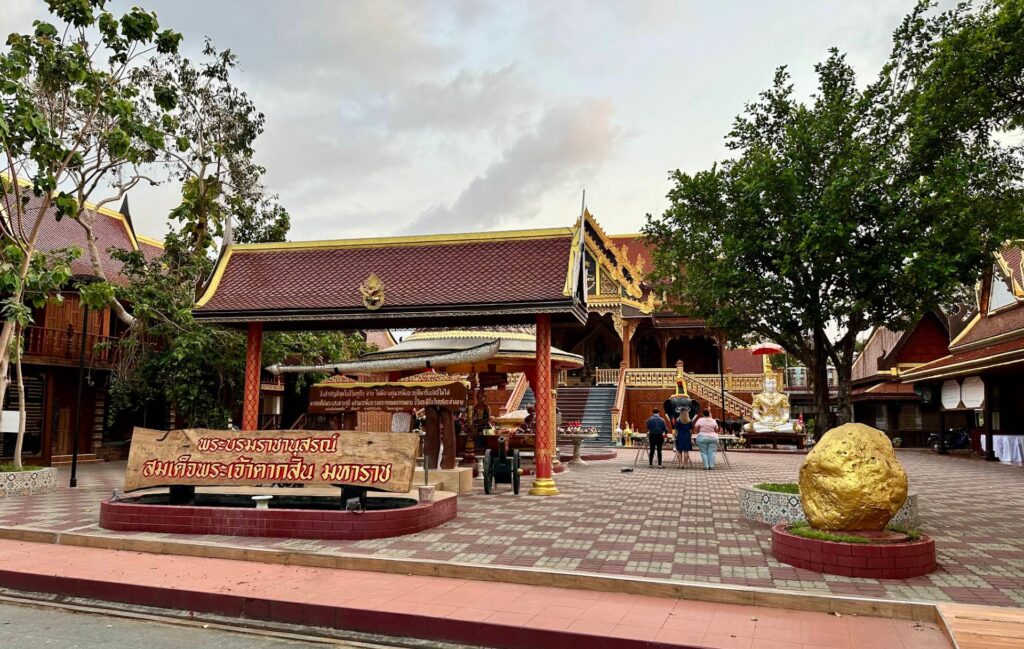
Entering the Historic Shipyard
As I passed through the entrance gate, I immediately sensed that this was more than a museum.
Everything here quietly tells the story of one of the most important turning points in Thai history.
After retreating from the fall of Ayutthaya, King Taksin chose Chanthaburi as the place to rebuild his strength. From this peaceful coastal town, he prepared the fleet and the army that would eventually liberate Siam.
Today, visitors can walk through the same grounds where determination replaced despair, and where the future of a nation began to take shape.
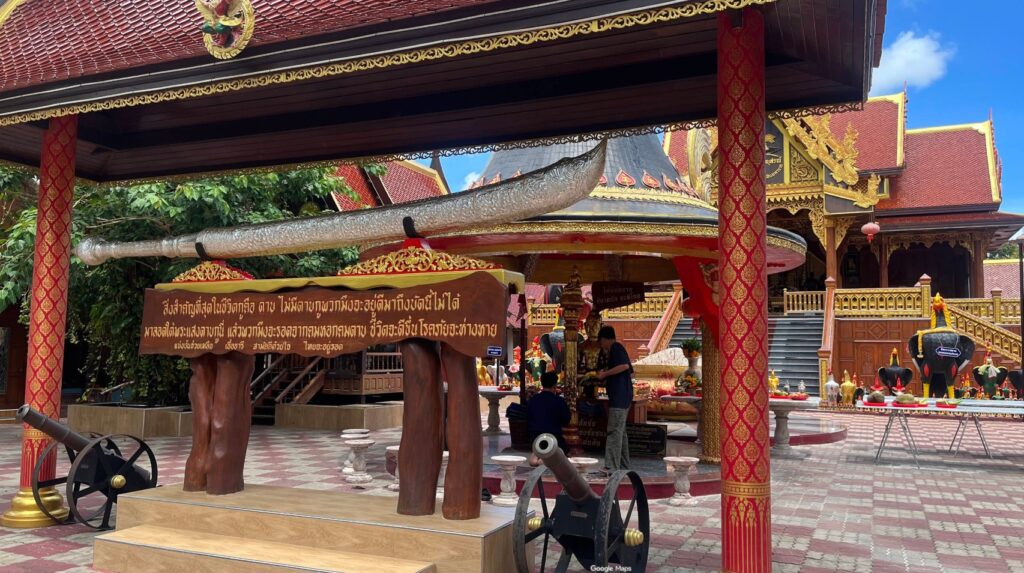
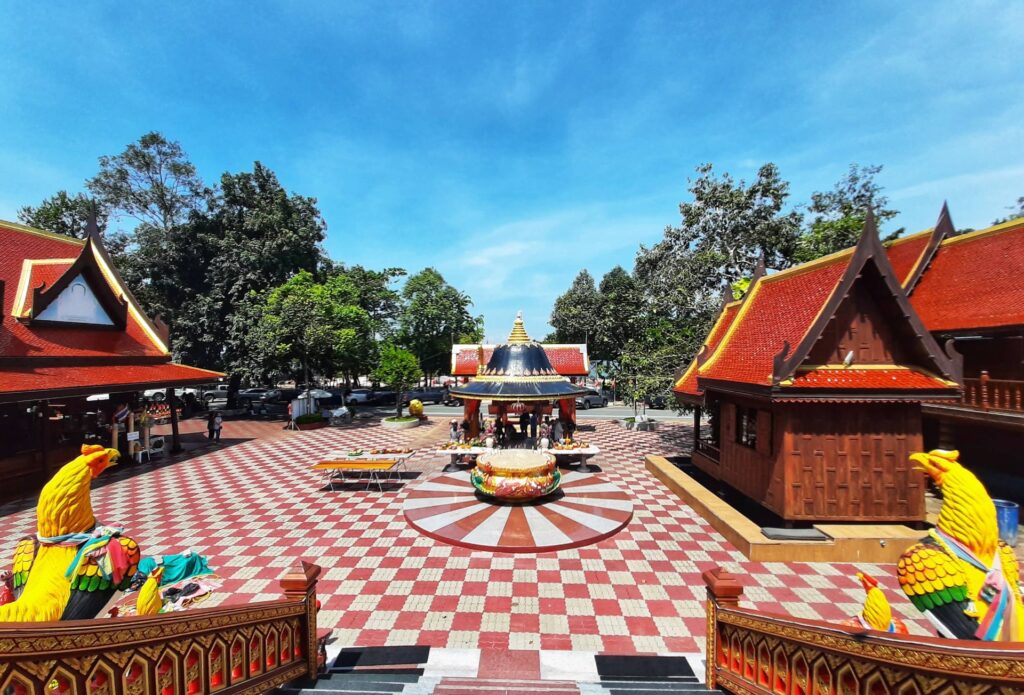
King Taksin’s Monument
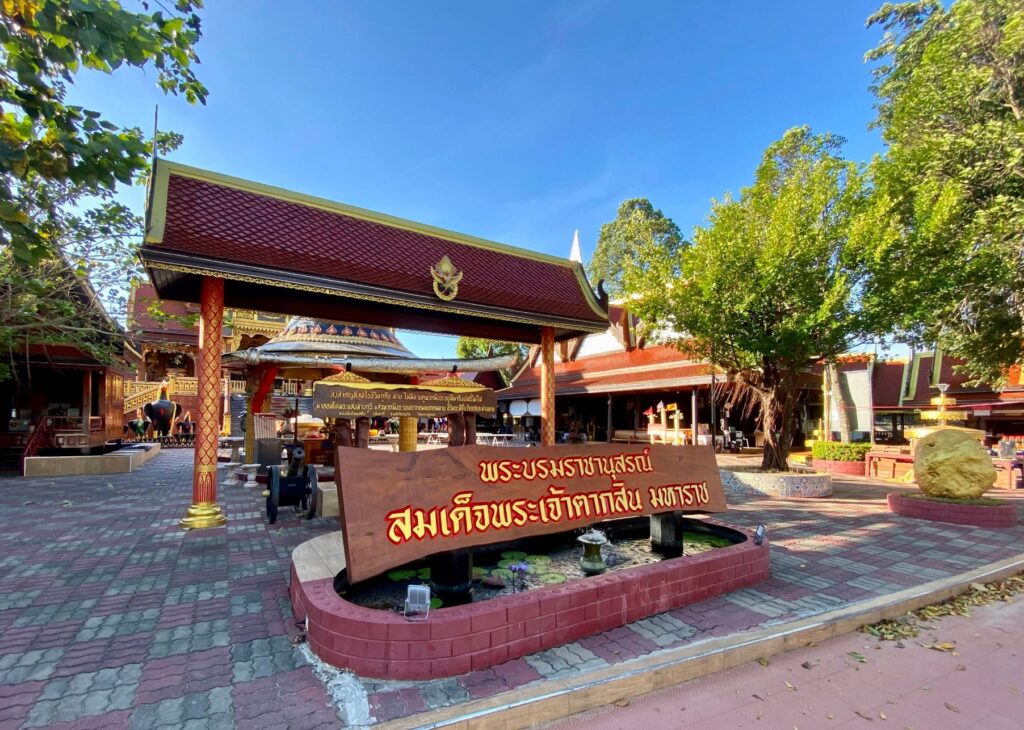
At the heart of the site stands a monument to King Taksin the Great.
His figure faces forward with quiet determination, recalling the moment when retreat was transformed into resistance.
After the fall of Ayutthaya, King Taksin did not accept the collapse of the kingdom as the end of Siam. He gathered loyal followers, moved eastward, and used Chanthaburi as a base to rebuild his forces.
From this region, ships were prepared, soldiers were organized, and a new campaign began.
For many Thai people, this monument is more than a statue. It represents courage in a time of national crisis and the determination to restore a country that seemed to have been lost.
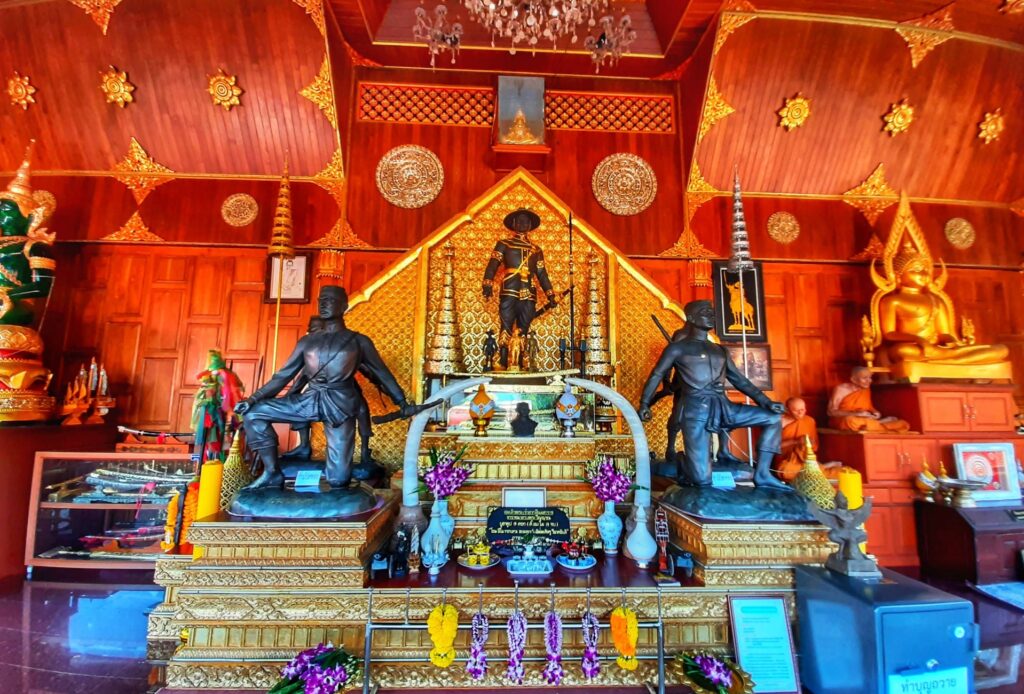
A Place of Remembrance
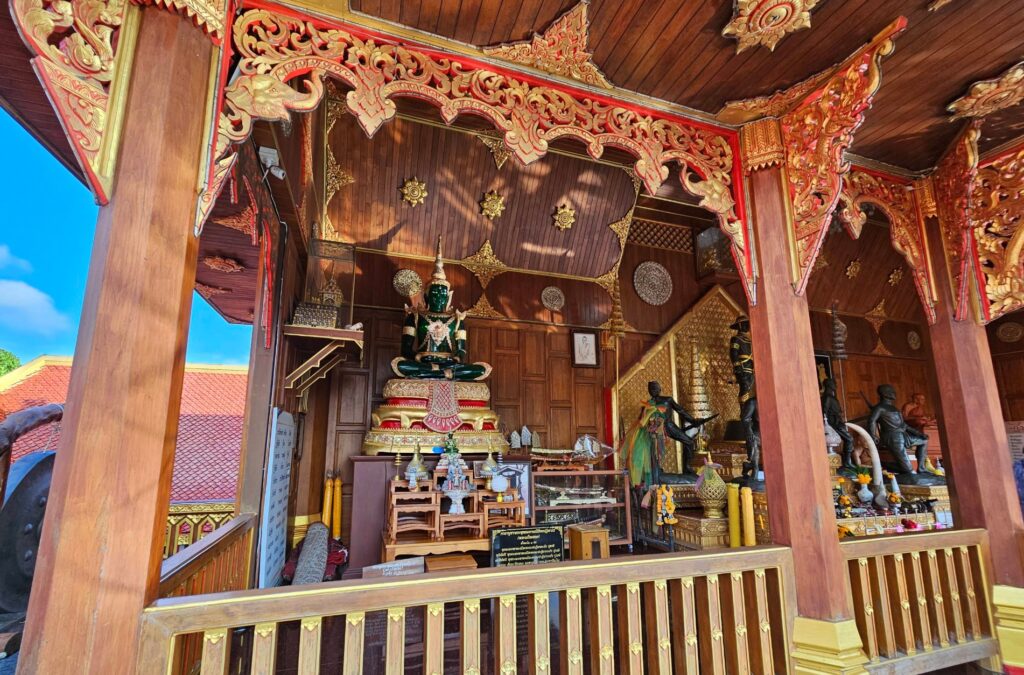
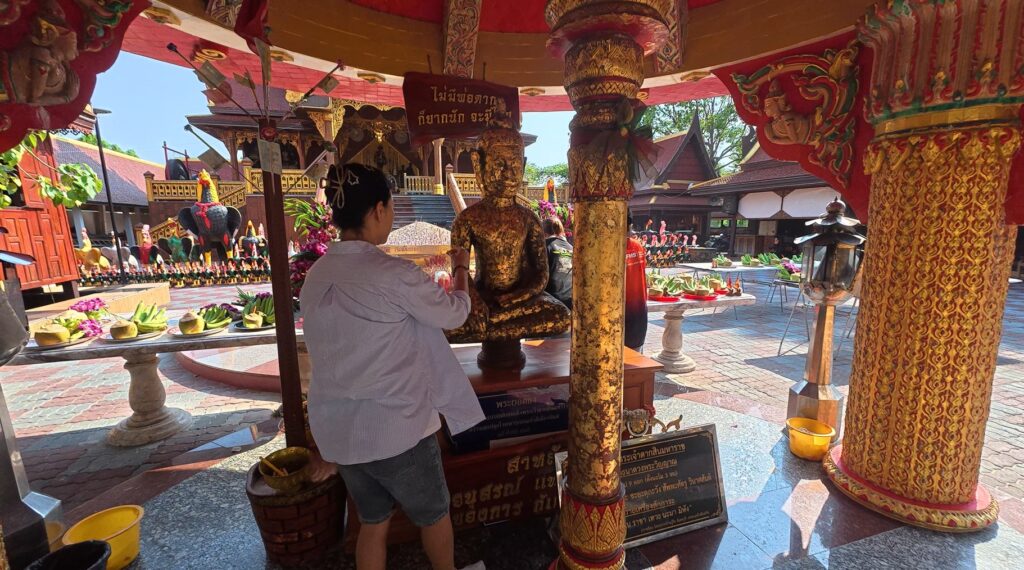
Near the monument stands a quiet pavilion dedicated to King Taksin the Great.
Visitors come here not only to learn about history, but also to pay their respects.
Flowers, incense, and offerings reflect the deep gratitude that many Thai people still feel toward the king who helped restore the nation after the fall of Ayutthaya.
Centuries have passed, yet his presence remains strong.
For the people who visit this place, King Taksin is remembered not only as a military leader, but as the man who refused to allow Siam to disappear.
He is remembered not only in history books, but in the hearts of the people.
The Historic Shipyard Museum
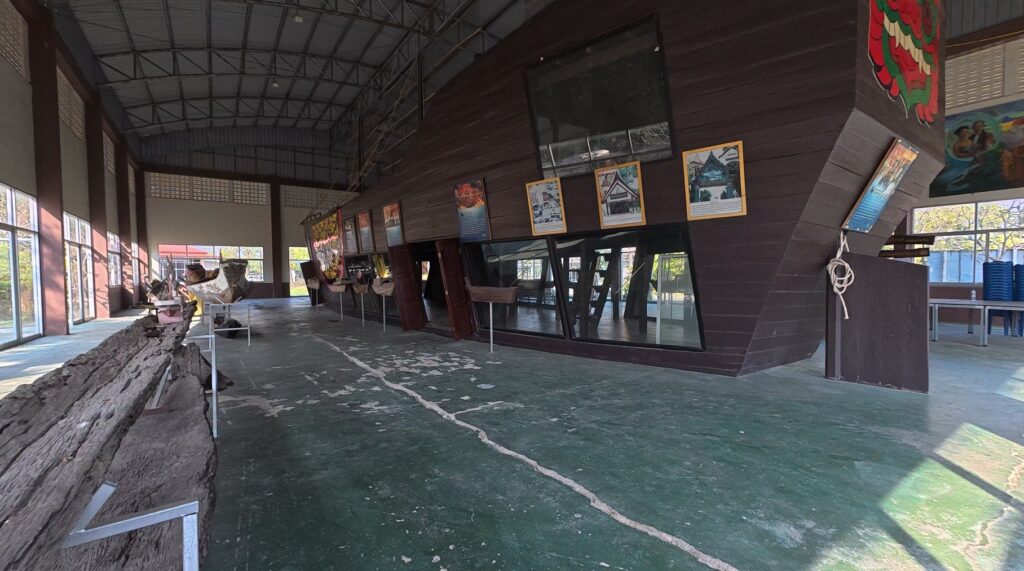
Inside the museum, the story of King Taksin’s preparation becomes more tangible.
The exhibits introduce the shipbuilding traditions of the eastern coast, the vessels used for transport and warfare, and the importance of the sea route during the campaign to restore Siam.
Chanthaburi was not chosen by chance.
Its coastline, river access, local resources, and connection to maritime communities made it a practical place to gather men, repair vessels, and prepare supplies.
Standing among the ship models and preserved remains, it becomes easier to imagine the urgency of that time.
Every plank, rope, and hull represented more than transportation.
They represented a nation preparing to rise again.
The Ancient Ship Remains
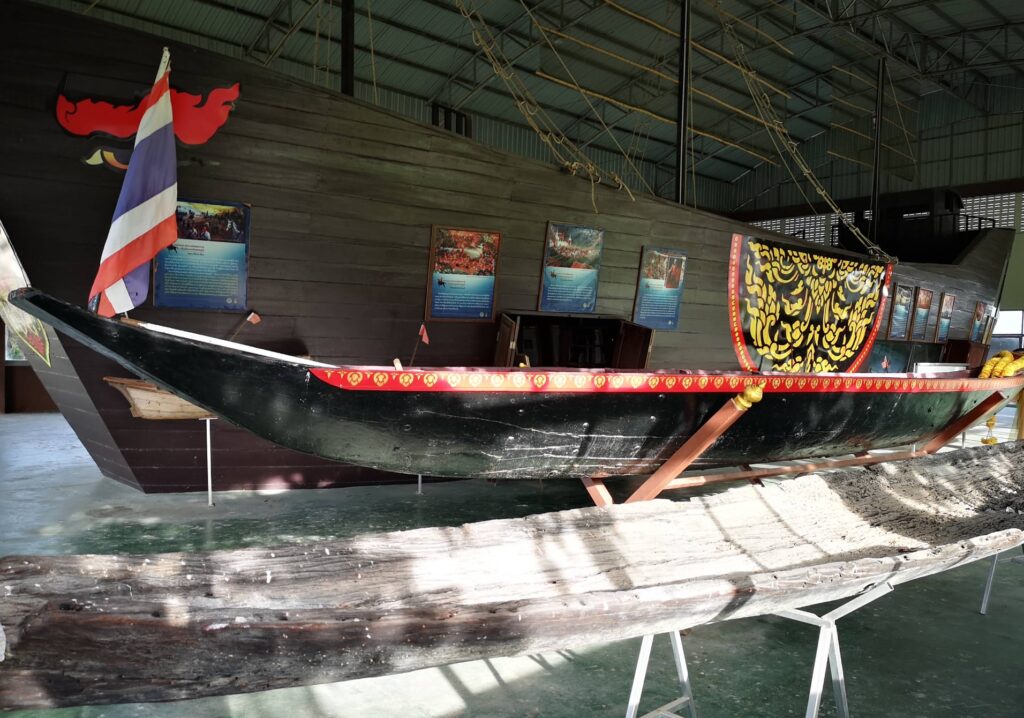
The most striking part of the museum is the preserved remains of an ancient wooden vessel.
Although time has reduced the ship to its surviving structure, the shape of the hull still reveals the skill of the craftsmen who once built vessels along Thailand’s eastern coast.
The remains help visitors understand how important ships were during the age of King Taksin.
After the fall of Ayutthaya, control of rivers and sea routes was essential. Ships carried soldiers, weapons, food, and supplies. They also allowed King Taksin to move quickly between the eastern provinces and the central plains.
Standing beside the ancient hull, history no longer feels distant.
The broken timber seems to carry the memory of men who worked under pressure, preparing a fleet for a campaign that would decide the future of Siam.
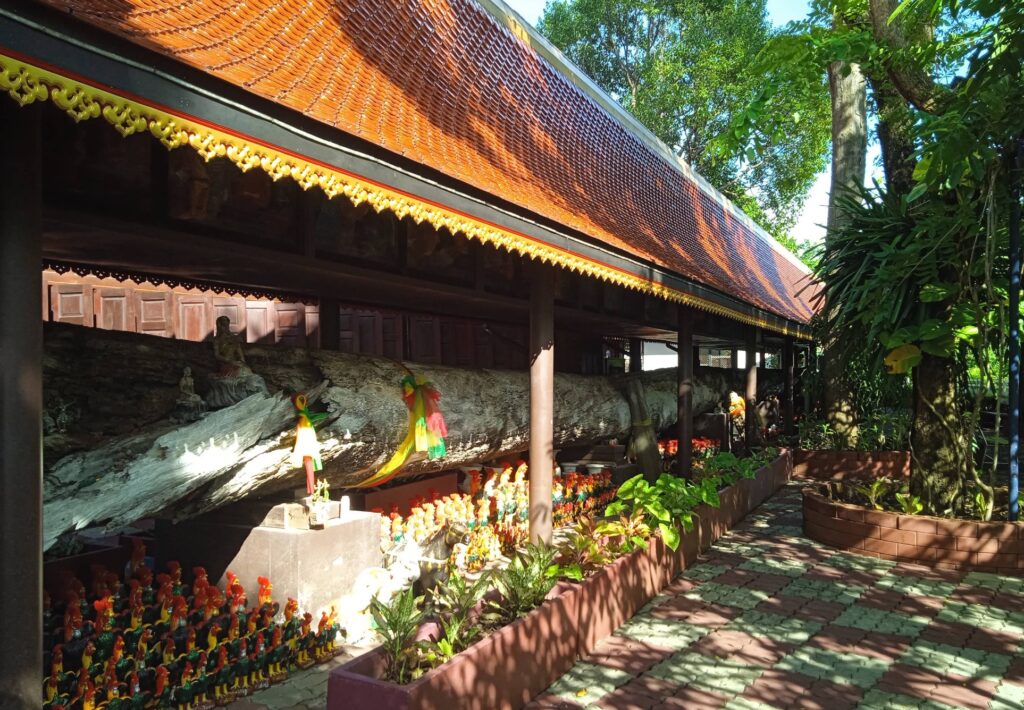
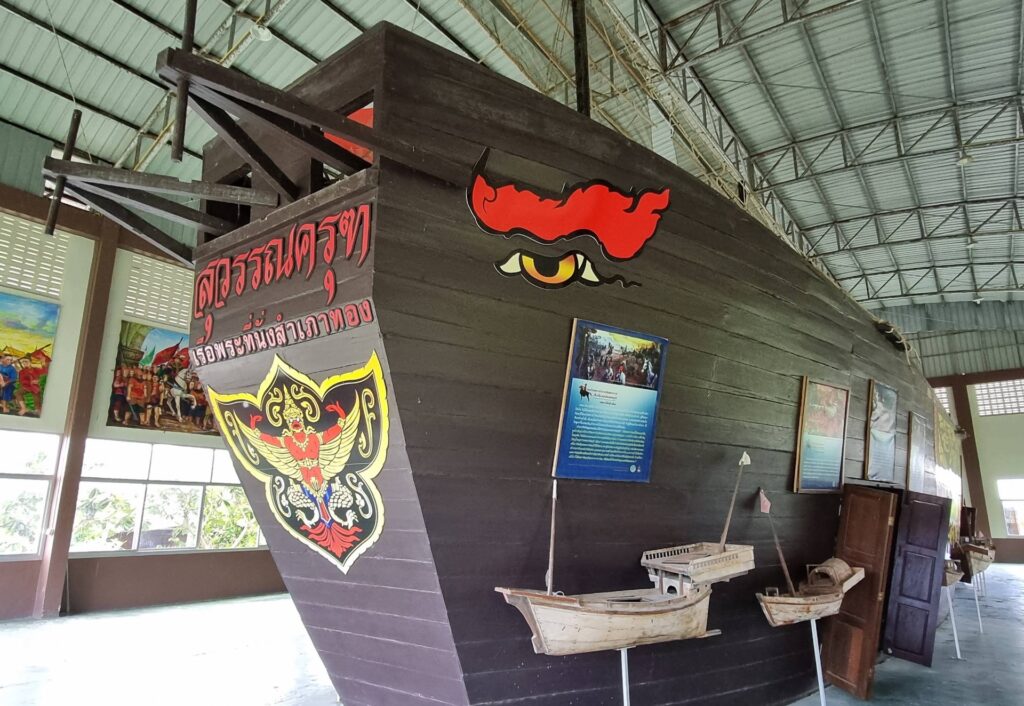
What remains is not only an old ship, but evidence of how a fallen kingdom prepared to rise again.
The Excavation Site and Shipyard Grounds
Beyond the museum, the open grounds reveal the wider scale of the historic shipyard.
This was not simply a place where a single vessel was displayed. It was part of a working maritime area connected with shipbuilding, repair, storage, and military preparation.
Archaeological remains and preserved structures help visitors imagine the activity that once filled this quiet landscape.
Men would have carried timber, prepared tools, repaired hulls, and loaded supplies for the coming campaign.
Today, the site is calm.
But in the years following the fall of Ayutthaya, this ground would have been filled with urgency.
Every movement had a purpose, and every ship prepared here brought King Taksin one step closer to restoring Siam.
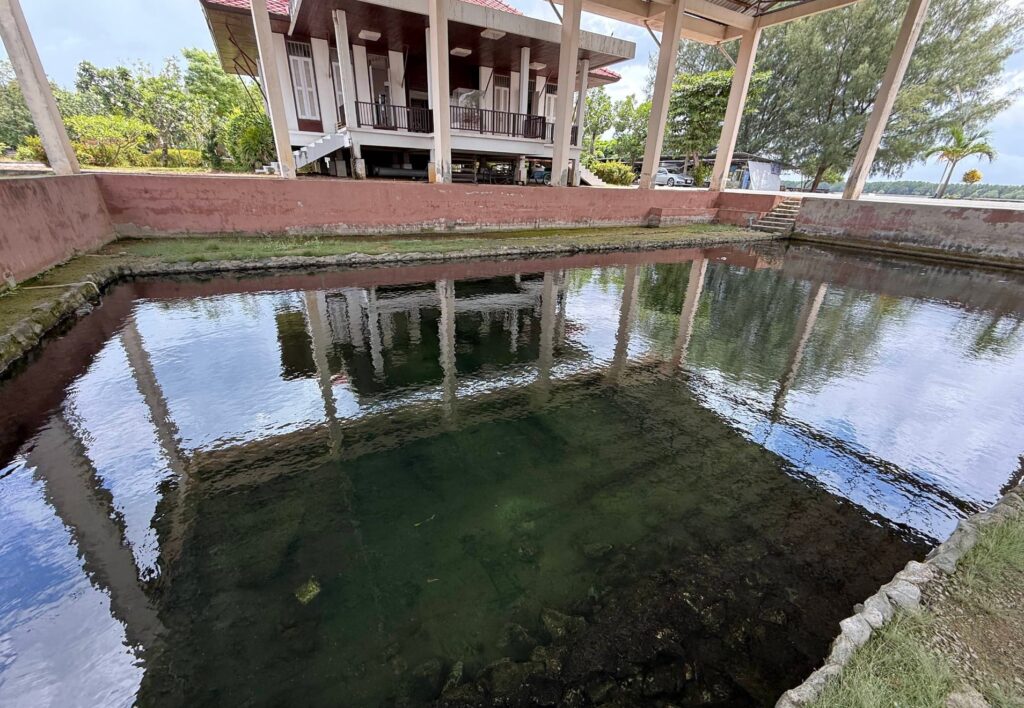
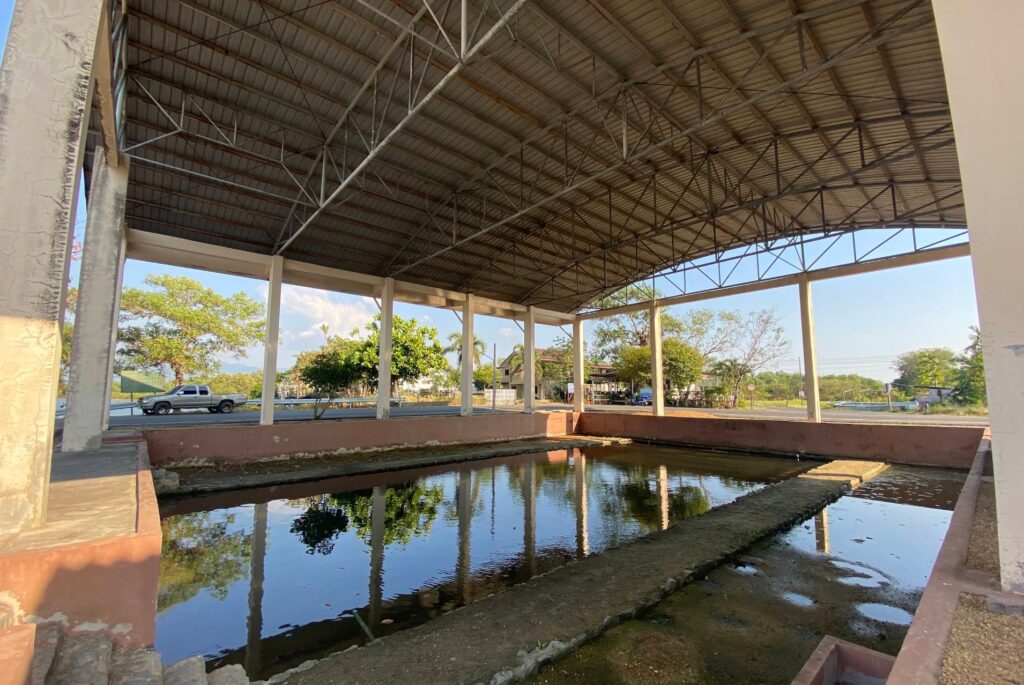
The silence of the grounds today hides the urgency of the preparations made here centuries ago.
Facing the Sea
Beyond the shipyard grounds, the view opens toward the quiet coast of Chanthaburi.
Today, the water appears calm and peaceful.
But centuries ago, this shoreline formed part of a strategic maritime world connecting Chanthaburi with other eastern ports and the central region of Siam.
From this coast, men, supplies, and vessels could move quickly.
For King Taksin, the sea was not simply a boundary.
It was a route back toward the lost capital and toward the restoration of the nation.
Standing here today, it is difficult to imagine the urgency that once filled this peaceful shore.
Yet somewhere beyond this water, the ships prepared in the east began their journey toward history.
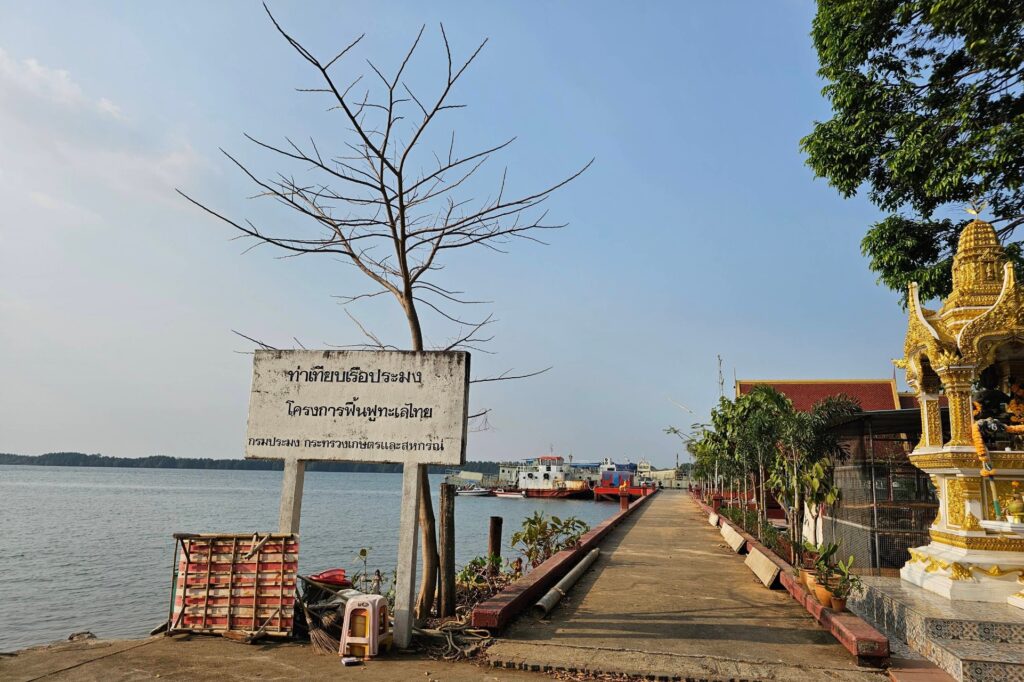
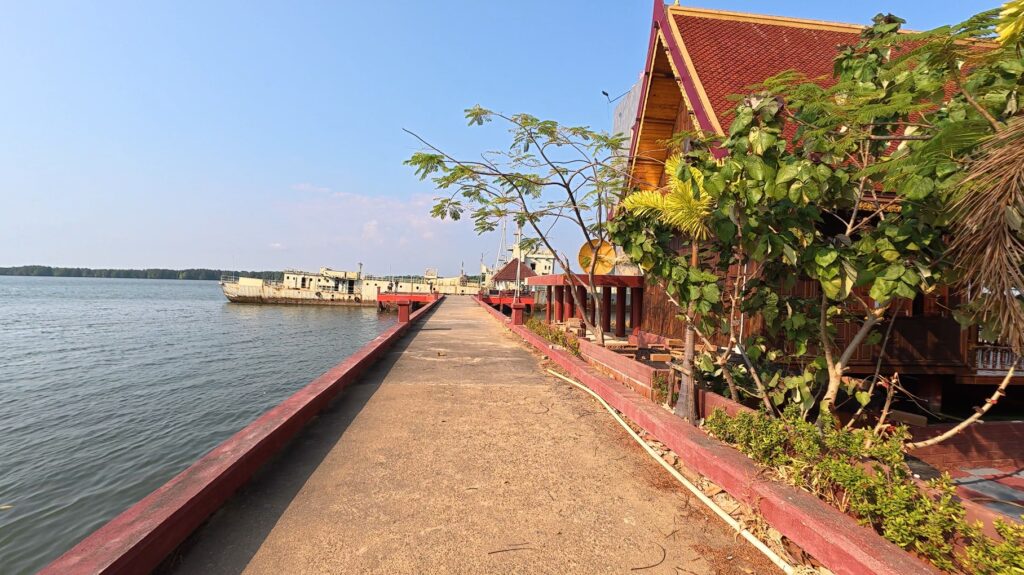
The sea was not the end of the road. It was the road back to the nation.
The Elephant That Still Waits
Near the memorial area stands the figure of a war elephant, silent and still.
The elephant recalls the animals that once carried kings and soldiers across battlefields, through forests, and into the uncertainty of war.
Here, however, it feels less like a symbol of battle and more like a symbol of loyalty.
Facing the path ahead, the elephant appears to be waiting for the king it once served.
Perhaps that is why this quiet image leaves such a powerful impression.
King Taksin is gone, but the loyalty connected with his memory remains.
The elephant still waits, and the people still remember.
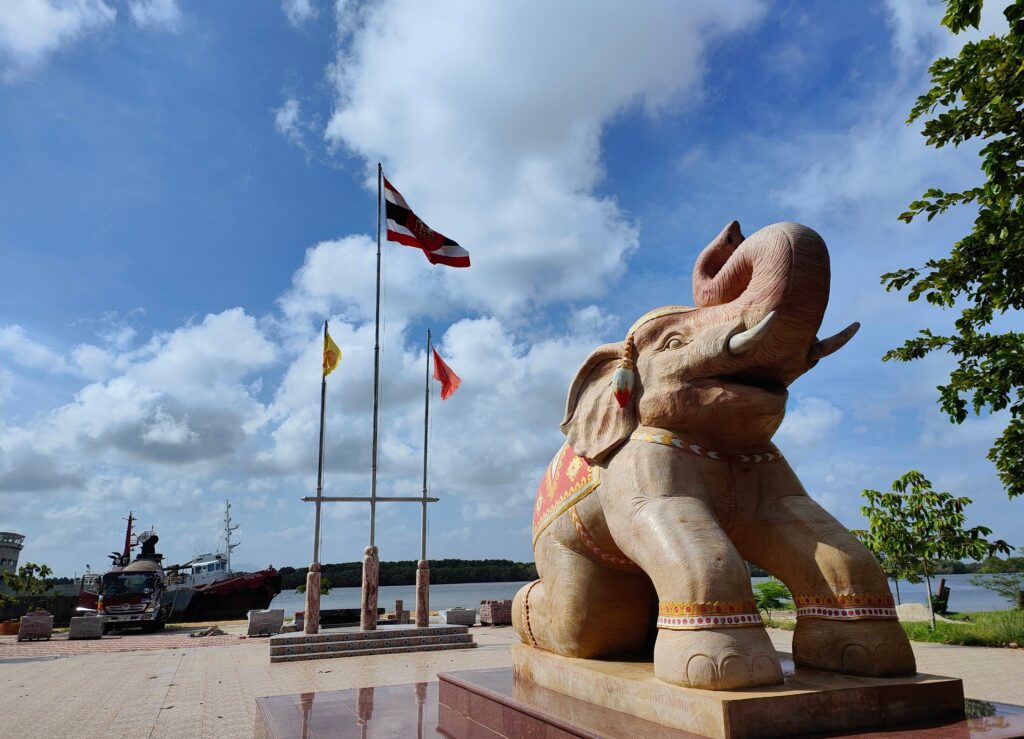
It no longer waits for battle. It waits for the return of its king.
Remembered by Every Generation
More than two centuries have passed since King Taksin rebuilt his forces in the east.
Yet people still come to this place to bow, pray, and remember.
For the present generation, he is not remembered only as a warrior or a king.
He is remembered as the man who stood up when the country had fallen, gathered hope from defeat, and gave Siam a future once again.
The flowers, incense, monuments, and quiet gestures of respect show that his story still belongs to the people.
History may become distant with time, but gratitude can remain alive across generations.
Where a Nation Prepared to Rise Again
History is not always made in royal palaces or great capitals.
Sometimes, it begins beside a quiet river, among wooden ships, simple tools, and people determined not to surrender.
At this shipyard in Chanthaburi, King Taksin the Great rebuilt more than a fleet.
He rebuilt confidence, gathered scattered forces, and prepared the campaign that would restore Siam after the fall of Ayutthaya.
Today, the shipyard is peaceful.
The soldiers are gone, the hammers have fallen silent, and the vessels no longer depart for war.
Yet the memory of that determination remains.
The monument, the ancient ship remains, the quiet shoreline, and the waiting elephant continue to tell the same story—a story of courage, loyalty, and national rebirth.
King Taksin did not simply recover lost territory.
He gave a broken nation the strength to begin again.
A king who rose when a nation fell.
กษัตริย์ผู้ลุกขึ้น เมื่อแผ่นดินล่มสลาย
Visitor Information
King Taksin the Great Shipyard is located in Nong Bua, Chanthaburi, along a quiet coastal waterway east of the city.
The historical site includes the King Taksin memorial, a worship pavilion, museum displays, preserved ship remains, archaeological areas, and views across the surrounding waterfront.
Allow approximately one to two hours to explore the site slowly, especially if you plan to visit the museum, photograph the monuments, and walk around the waterfront area.
The grounds are mostly open, so visiting in the morning or late afternoon is more comfortable than during the hottest part of the day.
Visitors should dress respectfully around the memorial and worship areas. Removing hats and keeping voices low while people are praying is also appreciated.
Location
King Taksin the Great Shipyard
Nong Bua, Chanthaburi, Thailand
📍 [View King Taksin the Great Shipyard on Google Maps]
Practical Details
- Best time to visit: Morning or late afternoon
- Recommended visit: 1–2 hours
- Suitable for: History lovers, families, photographers, and motorcycle travelers
- Facilities: Museum buildings, memorial areas, parking, and waterfront walking areas
- Admission and opening hours: Check locally before visiting, as museum access may vary
Continue Exploring King Taksin’s Journey
King Taksin’s preparations in Chanthaburi were only one part of his remarkable journey. Continue exploring the places connected with his campaign, the defense of the eastern region, and the restoration of Siam through Won Cub Life.
King Taksin in Chanthaburi – The Land That Helped Rebuild Siam
More stories from the King Taksin historical journey will be added soon.
Historical References
Learn more about the history of Samet Ngam Shipyard through the official Tourism Authority of Thailand website.
Tourism Authority of Thailand – Samet Ngam Shipyard
Additional information about the monument and the historic shipyard is available from the Thailand Tourism Directory.