King Taksin in Chanthaburi is one of the most important stories in Thailand’s history. When the ancient capital of Ayutthaya fell to the Burmese army in 1767, Siam seemed close to collapse.
Cities were destroyed, political power was fragmented, and many people lost hope.
But in the eastern province of Chanthaburi, a determined military leader named Taksin gathered soldiers, food, weapons, and support. From this strategic base, he prepared the campaign that would reunite Siam and restore its independence.
Chanthaburi was not simply a temporary refuge. It became the land that helped rebuild Siam.
Why Chanthaburi Mattered
Chanthaburi was an ideal place for Taksin to rebuild his forces. The province was far enough from the ruined capital of Ayutthaya to provide temporary safety, yet it remained connected to important coastal and inland routes.
The fertile land could supply rice and other food, while nearby forests and communities provided materials, labor, and recruits. Chanthaburi also had access to the Gulf of Thailand, making it possible to move people and supplies by sea.
Most importantly, the region had not been completely destroyed by the war. Taksin could therefore use Chanthaburi as a secure military and logistical base while preparing to return west.
From Ayutthaya to the Eastern Provinces
Before Ayutthaya finally fell in April 1767, Taksin left the surrounded capital with a small group of followers and moved eastward. He passed through areas including Chonburi and Rayong, gathering supporters and strengthening his position.
Chanthaburi was the most important objective. It was wealthy, fertile, and strategically located near the coast. However, the local authorities did not immediately accept Taksin’s leadership, so he decided to take the city by force.
According to a famous Thai tradition, Taksin ordered his soldiers to destroy their cooking pots before the attack. The message was clear: they had to capture Chanthaburi that night or go hungry. The story later became a symbol of his determination and his refusal to retreat.
Building an Army in Chanthaburi
After gaining control of Chanthaburi, Taksin began transforming the province into a center of resistance. He recruited more soldiers, collected rice and weapons, and organized boats for the campaign ahead.
Chanthaburi’s fertile countryside helped feed the growing force, while its coastal location gave Taksin access to maritime routes. Local communities and merchants also became important sources of manpower, supplies, and financial support.
For several months, Taksin strengthened his army and prepared to move back toward the central region. Chanthaburi was therefore more than a conquered city. It became the military and logistical base from which he launched the struggle to recover Siam.
The Campaign to Recover Siam
Once his forces were ready, Taksin left Chanthaburi and advanced westward by sea and land. His immediate goal was to challenge the Burmese troops and local powers that controlled the central region after the fall of Ayutthaya.
In late 1767, his army reached the Chao Phraya River area and defeated the Burmese forces stationed near Thonburi. He then continued toward the ruined capital and helped restore political control over the heartland of Siam.
The speed of this campaign was remarkable. Only months after Ayutthaya had fallen, Taksin had established a new center of power at Thonburi. Chanthaburi had supplied the men, food, weapons, and confidence needed to make that recovery possible.
King Taksin’s Legacy in Chanthaburi
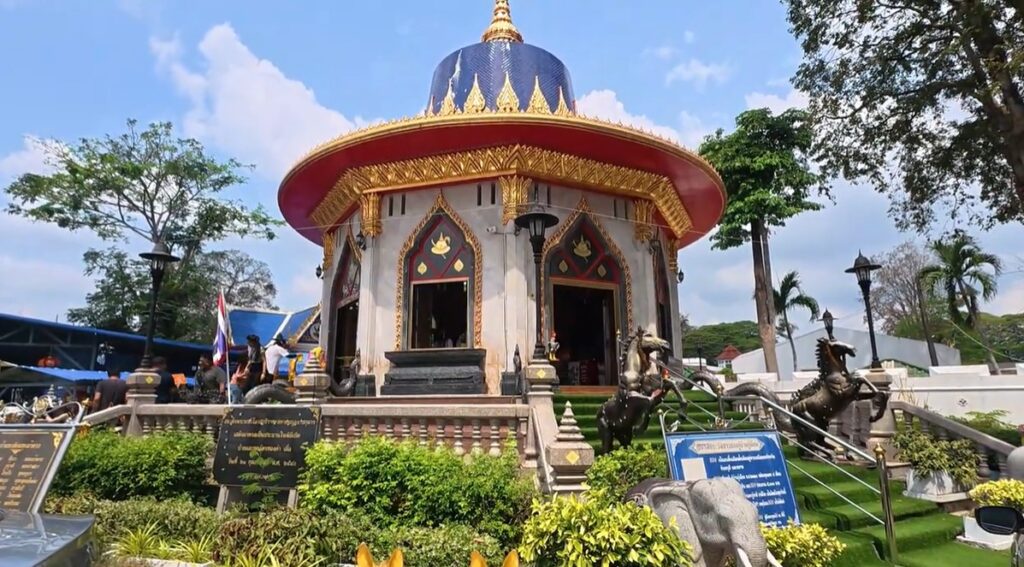
Today, Chanthaburi remembers King Taksin not only as a military leader, but also as the man who gave Siam a chance to rise again.
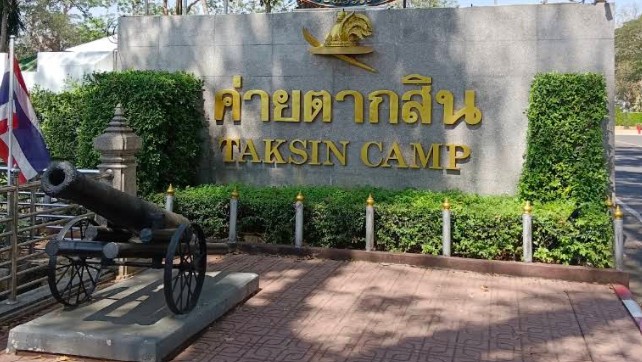
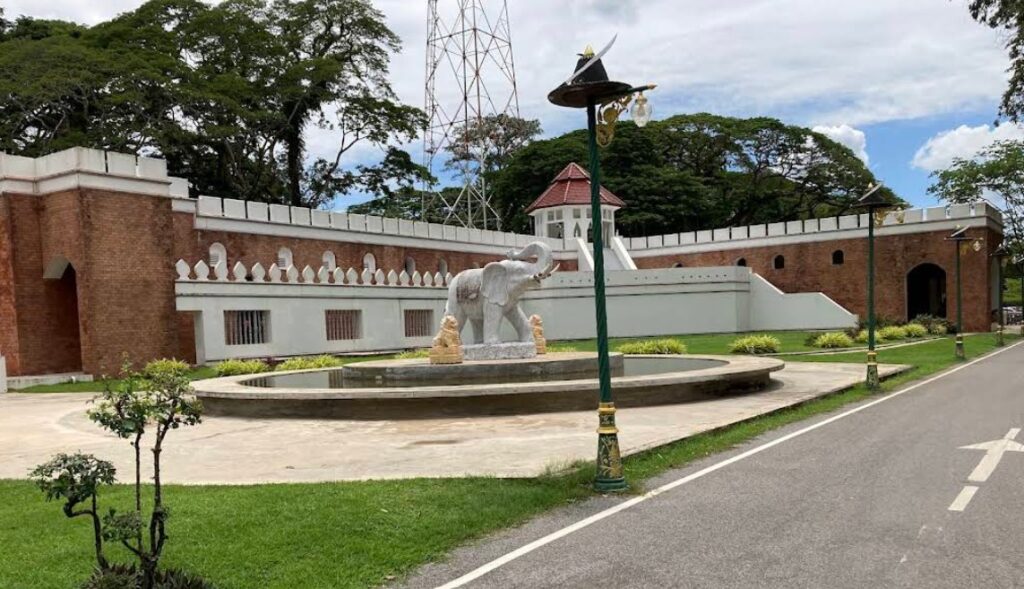
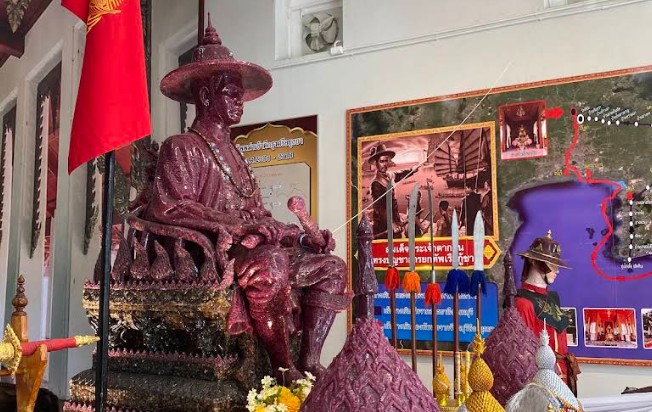
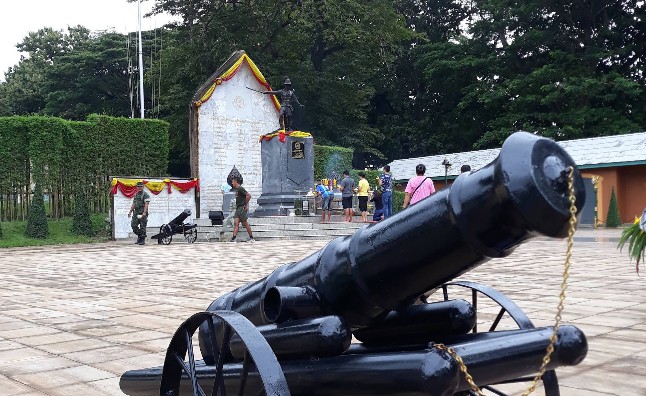
Several historical sites in the province preserve this memory. The King Taksin Camp marks the area traditionally associated with his troops and preparations, while the King Taksin Shrine has become an important place of respect for local residents and visitors.
For the people of Chanthaburi, this history is closely connected to regional pride. Their province provided food, soldiers, boats, resources, and a secure base during one of the most difficult periods in Siamese history.
Without Chanthaburi, Taksin’s return to the central region might have been far more difficult. This is why the province is remembered as one of the lands that helped rebuild Siam.
Historical Places to Visit in Chanthaburi
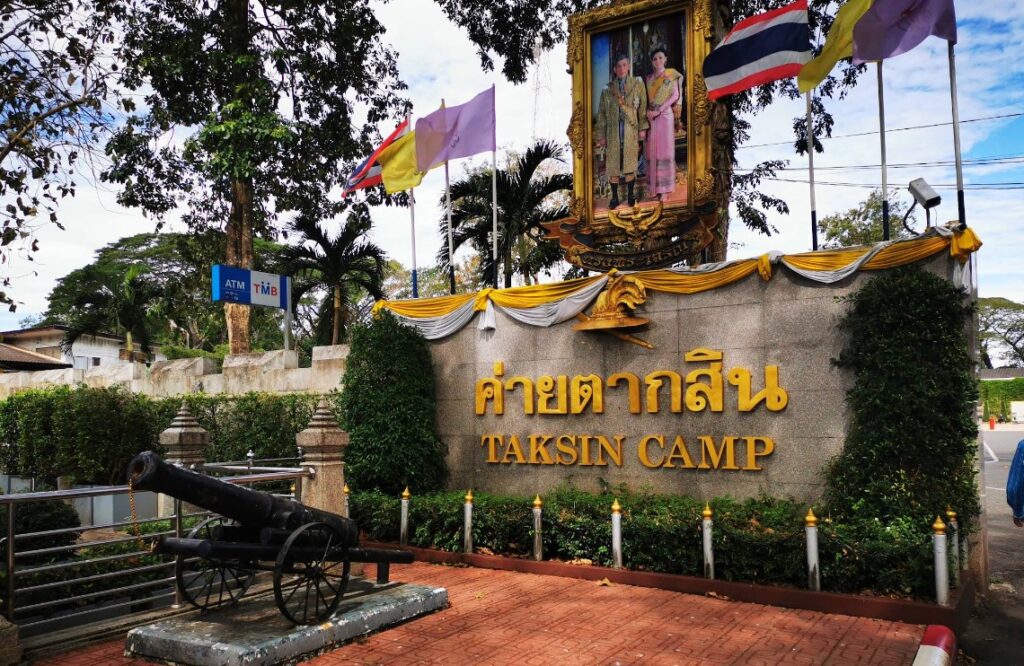
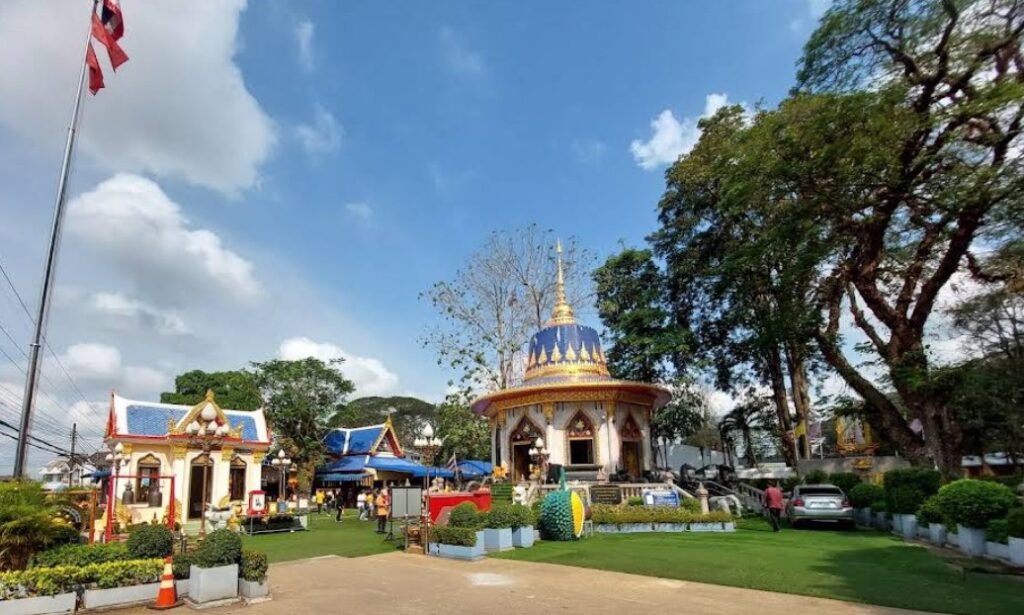
Visitors who want to follow King Taksin’s story in Chanthaburi can begin at the King Taksin Shrine in the city center. The shrine is one of the province’s best-known historical landmarks and remains an important place of respect.
Another significant location is the area associated with King Taksin’s military camp. Although the landscape has changed over time, the site helps visitors understand why Chanthaburi became such an important base during the crisis of 1767.
A visit to these places is not only about seeing monuments. It is also a way to understand how a provincial city became the starting point of Siam’s political recovery.
| Place | Taksin Camp and King Taksin Shrine |
| Location | Mueang Chanthaburi, Chanthaburi, Thailand |
| Admission | Free |
| Recommended time | 30–60 minutes |
| Google Maps | Taksin Camp |
Timeline of King Taksin in Chanthaburi
- 1767 – King Taksin leaves the surrounded capital of Ayutthaya and moves east.
- 1767 – He gathers supporters in Chonburi and Rayong before securing Chanthaburi.
- Late 1767 – Chanthaburi becomes the military and supply base for the campaign to recover Siam.
- December 1767 – Taksin establishes a new center of power at Thonburi after defeating Burmese forces.
Conclusion
King Taksin’s story in Chanthaburi is one of determination, strategy, and survival.
After the fall of Ayutthaya, he did not surrender to chaos. He moved east, gathered strength, secured Chanthaburi, and prepared the campaign that restored Siamese independence.
For this reason, Chanthaburi holds a special place in Thai history. It was not merely a refuge. It was the land where the recovery of Siam began.
Explore more historical places in eastern Thailand, including Wat Pa Pradu and Wat Khot Thimtharam in Rayong.