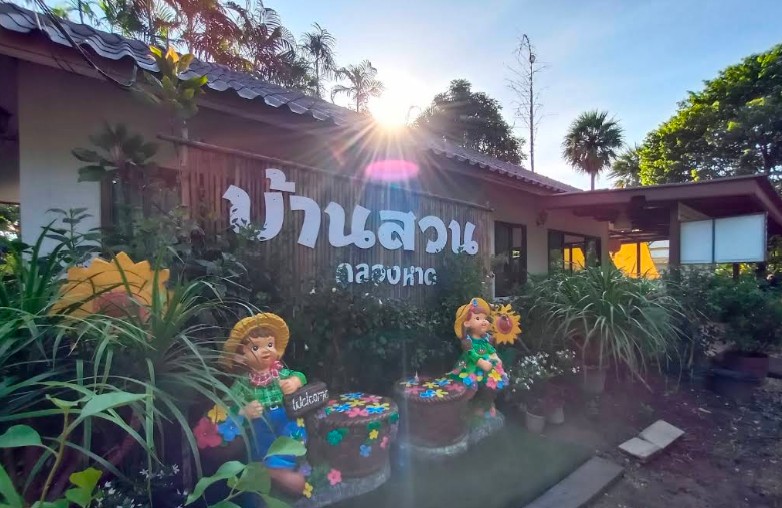
Ban Laem Border Market was the final destination of this quiet ride along Thailand’s Cambodian border. After a long day of riding along Thailand’s eastern border, I spent the night at Klang Hat Resort. The quiet surroundings gave me time to rest, recover from the fatigue of the previous journey, and prepare for another ride near the Cambodian frontier.
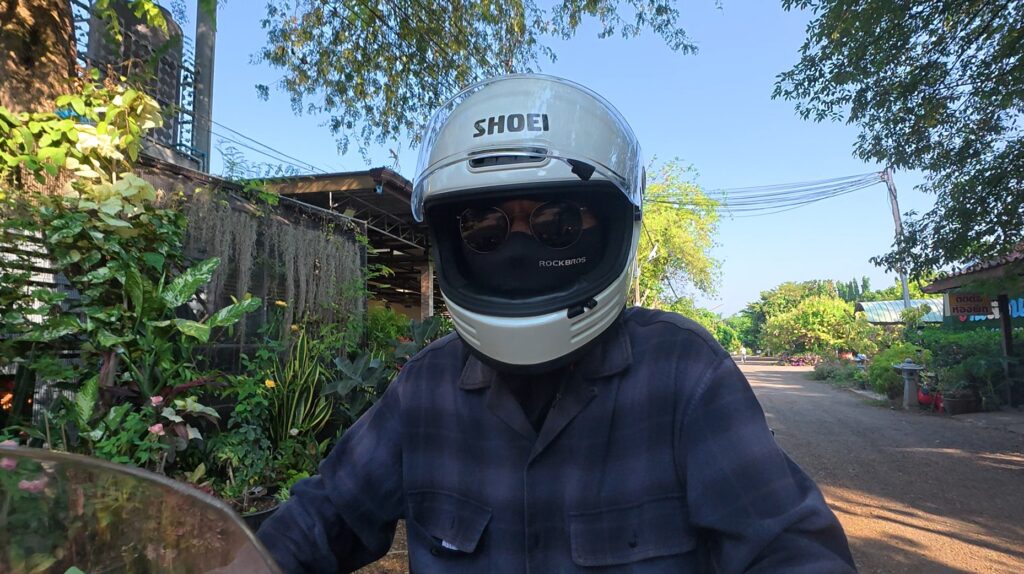
The next morning was bright and clear. Sunlight spread across the countryside, and the air felt fresh after a peaceful night. My first destination was Khao Din Market, a small market close to the border. I imagined a modest local market where farmers, traders, and villagers continued their ordinary routines despite living so close to an international boundary.
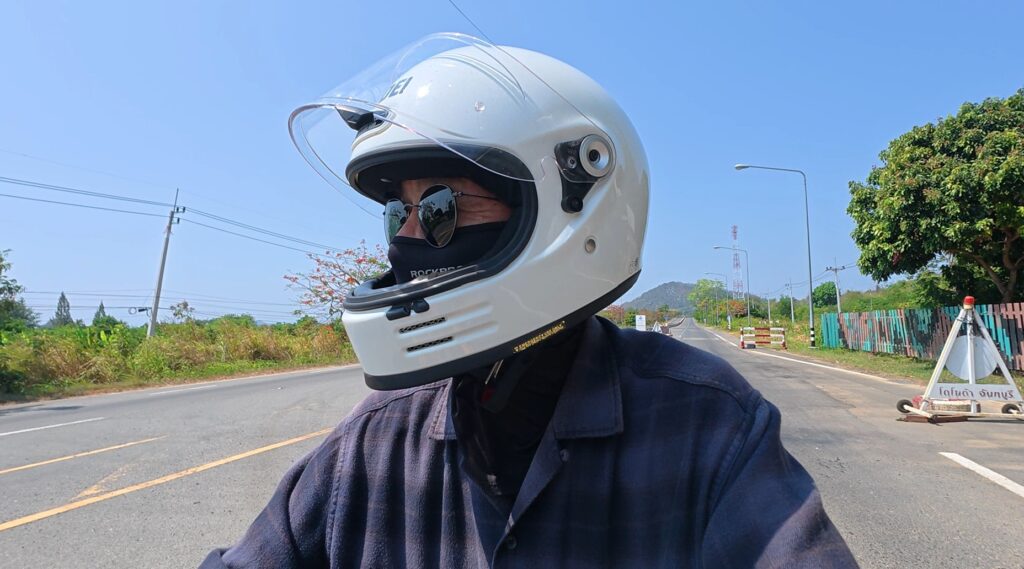
With that expectation, I started the Honda Cub and rode out into the calm morning.
A quiet ride along Thailand’s Cambodian border, where beautiful roads lead toward silent markets and interrupted lives.
A Bright Morning on an Empty Road
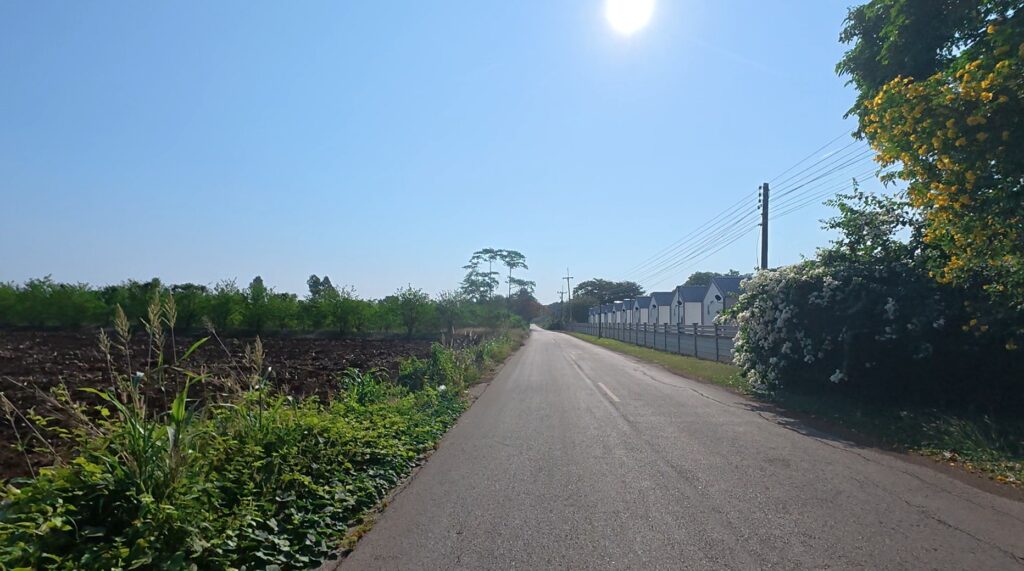
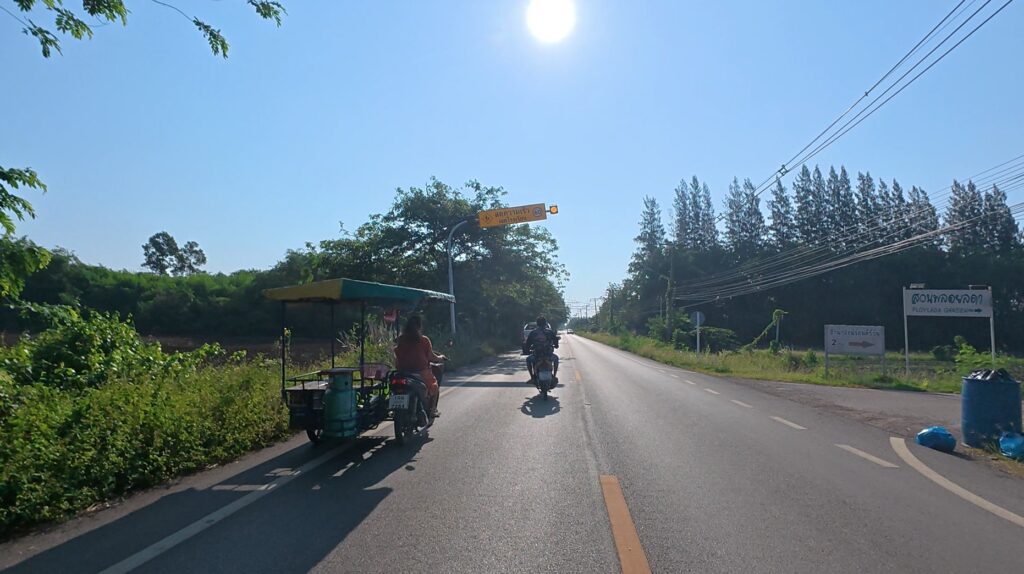
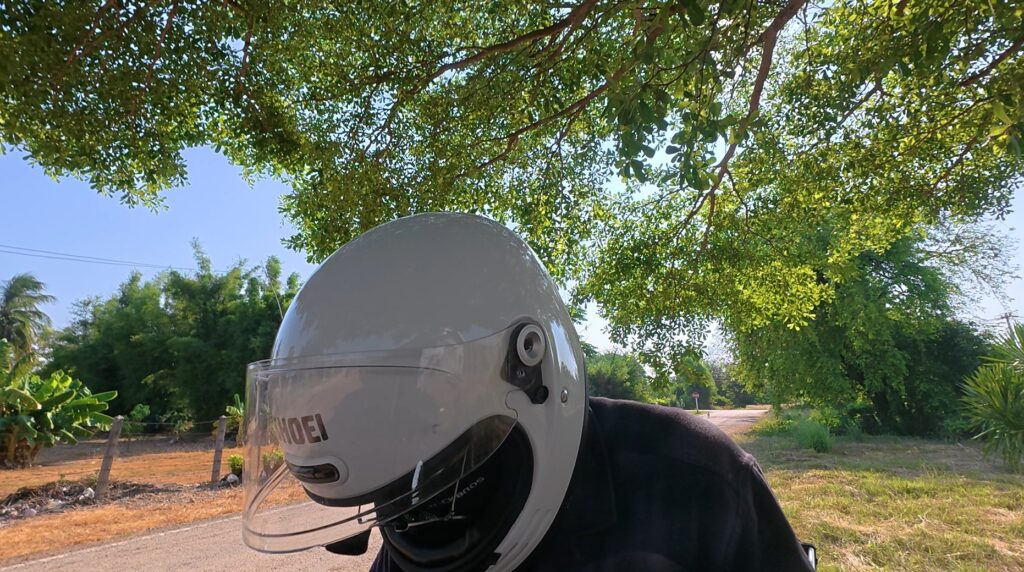
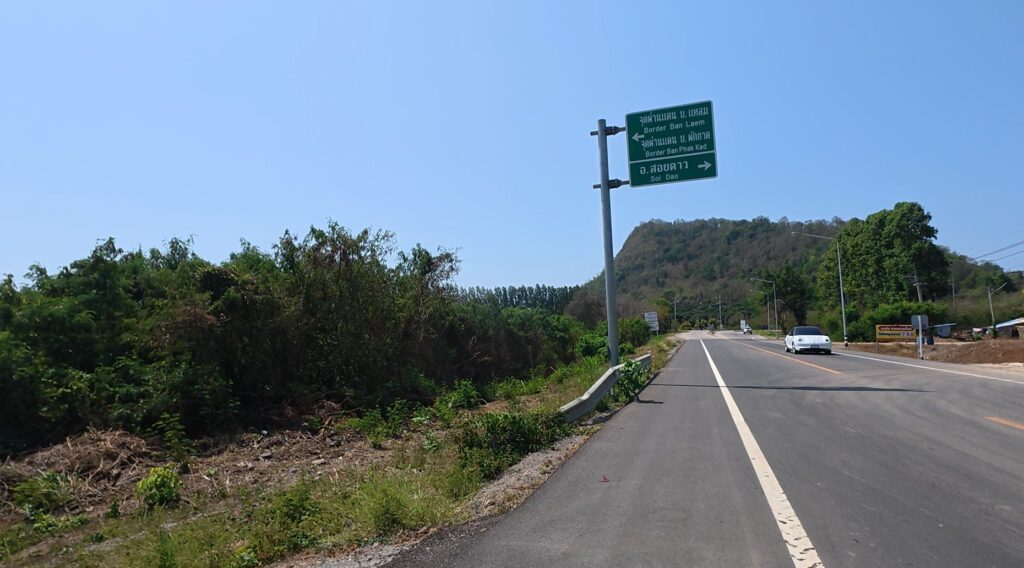
The road toward Khao Din Market was quiet and beautiful. Wide rural landscapes opened on both sides, filled with green fields, roadside trees, and a clear blue sky.
There was almost no traffic. Occasionally, I saw a farmer riding a motorcycle, perhaps heading to a field or returning to a nearby village. Every now and then, a single car passed in the opposite direction. Apart from those brief encounters, the road belonged to silence.
At first, the emptiness felt peaceful rather than lonely. There was no congestion, no loud engine noise, and no need to hurry. I could simply follow the road, breathe in the fresh air, and enjoy the gentle rhythm of the Cub beneath me.
The passing scenery was clean and refreshing. It was the kind of road that reminded me why I had begun traveling by motorcycle in the first place. On a small bike, the landscape does not rush past as quickly. You can feel the changes in the air, notice the villages, and see the quiet details that would normally disappear behind a car window.
Beyond the First Checkpoint
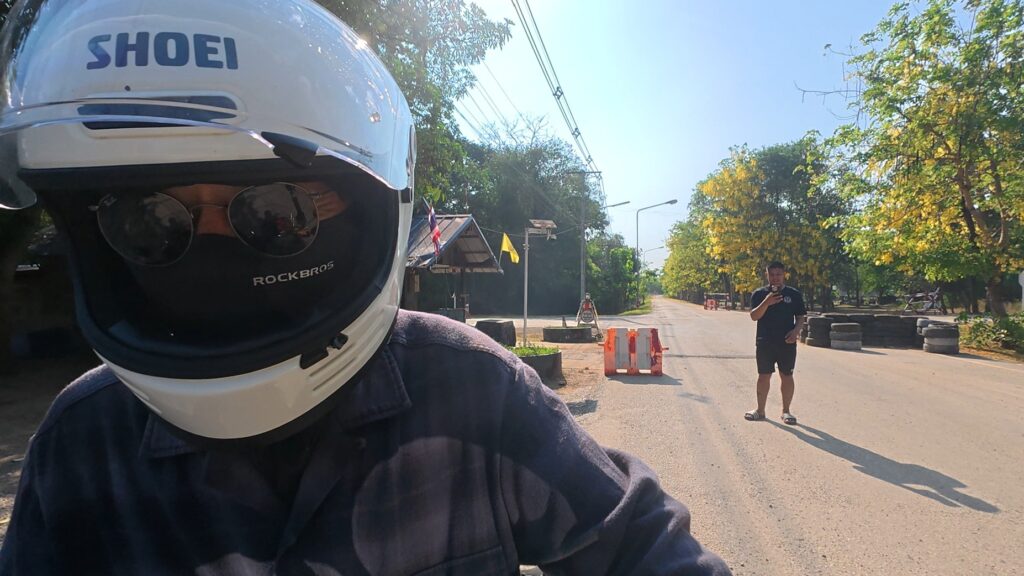
Before reaching Khao Din Market, I arrived at the first checkpoint. After passing through, the character of the road gradually began to change.
The road became narrower, and signs of regular movement began to disappear. The closer I came to the market, the more isolated the route felt. Grass and weeds had started growing toward the pavement, slowly pushing into the road from both sides.
It looked as though fewer people had traveled this way for quite some time.
A road does not become overgrown overnight. It happens gradually, when motorcycles stop passing, trucks no longer carry goods, and villagers no longer make the same daily journeys. Nature quietly enters the space left behind by people.
The silence now felt different from the peaceful countryside I had crossed earlier. It was no longer simply calm. It carried the uneasy feeling of a place where ordinary movement had been interrupted.
Stopped Before Khao Din Market
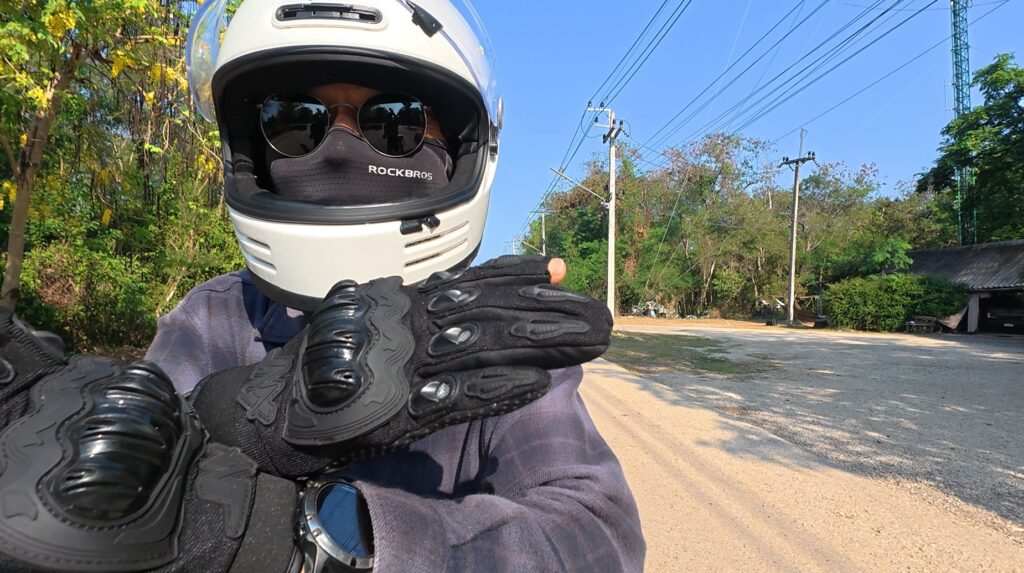
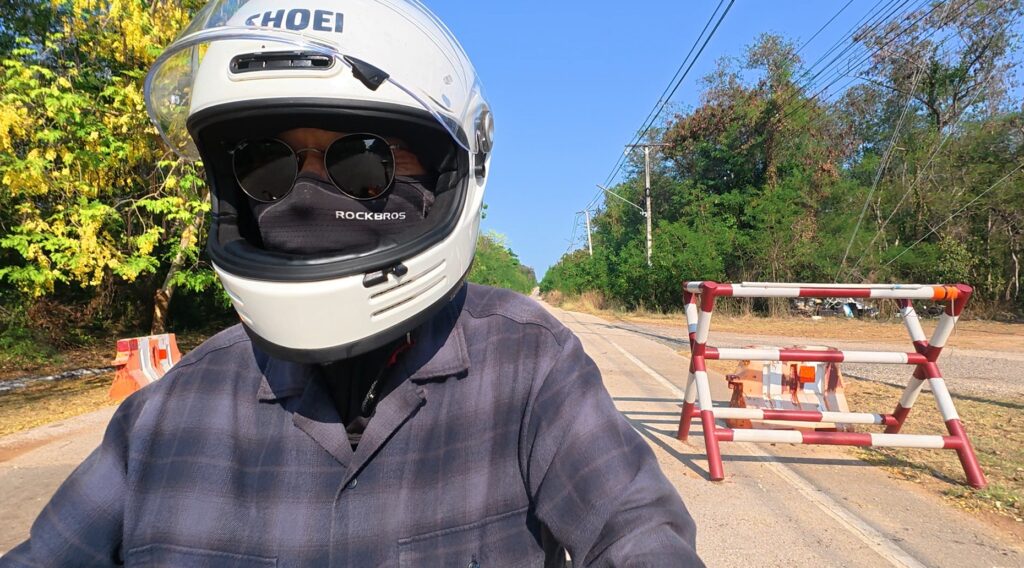
As I came close to Khao Din Market, another small outpost appeared ahead. A guard approached and told me that I could not continue any farther.
There was no confrontation and no long explanation. The road was simply closed to me.
I stopped the motorcycle and looked ahead, knowing the market was close but still beyond reach. I had expected to find people, shops, parked motorcycles, or perhaps the sound of small conversations. Instead, the journey ended at a barrier.
There was nothing to do but turn around.
It was a disappointing moment, but also a revealing one. A closed road is more than a physical obstruction. It separates people from markets, villages from customers, and families from the familiar routes that once connected their lives.
Choosing Another Border Road
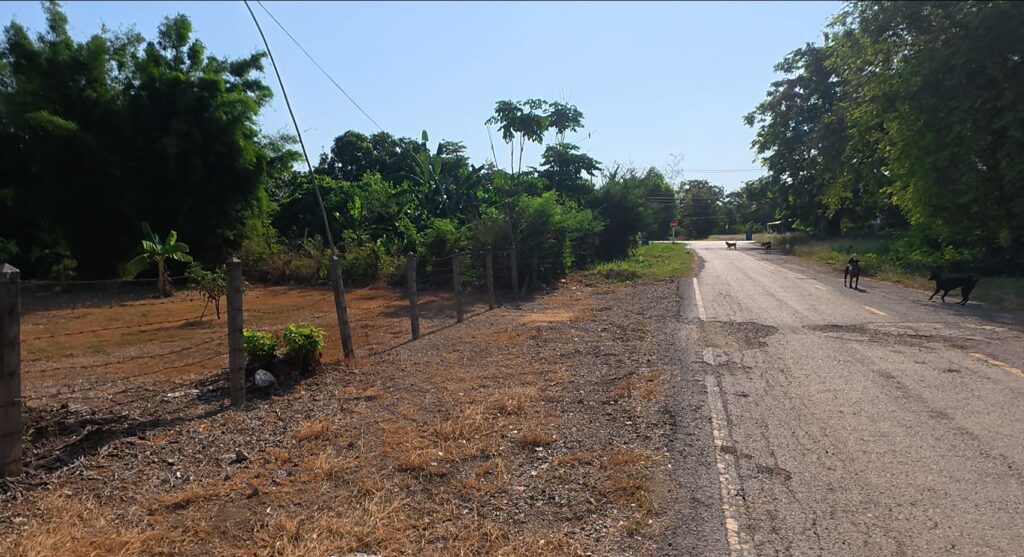
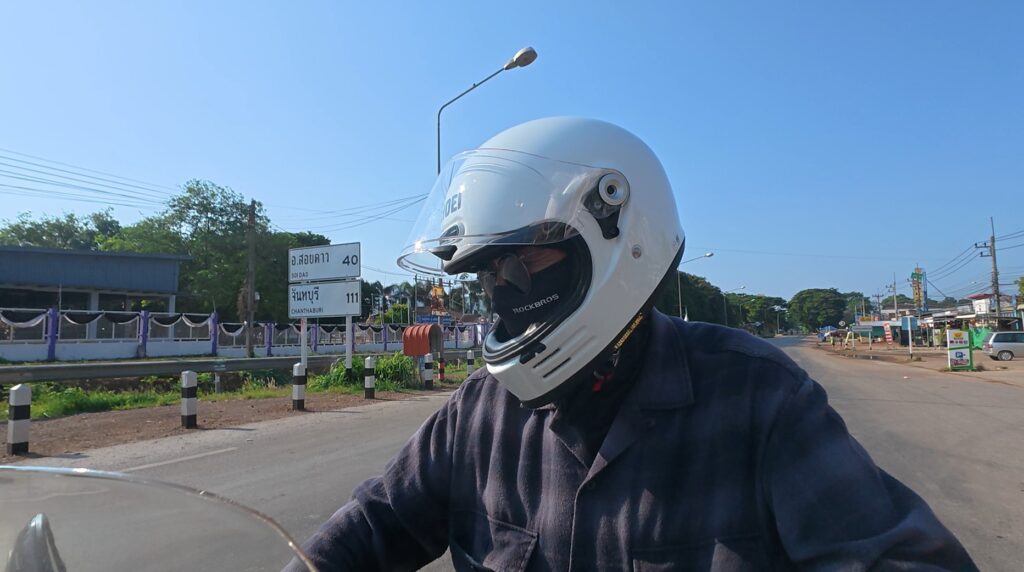
I returned to the nearby village and stopped to check the map. Rather than ending the ride, I decided to travel south toward another border settlement: Ban Laem Border Market.
While I was looking for the new route, several village dogs began gathering around me. One appeared, then another, and soon a small group was watching the unfamiliar traveler standing beside the yellow Honda Cub.
Their attention felt almost like another checkpoint.
They did not know who I was or why I had stopped there. In a place where few outsiders seemed to pass, even a lone rider could become the morning’s most suspicious visitor.
After confirming the route, I started the engine again and left the village behind.
A Small Café Beside the Road
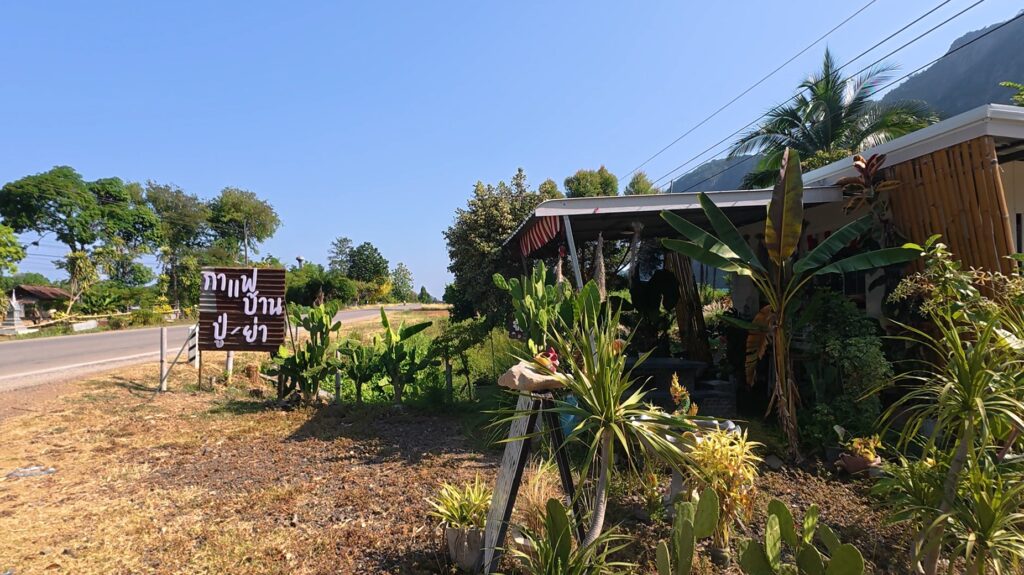
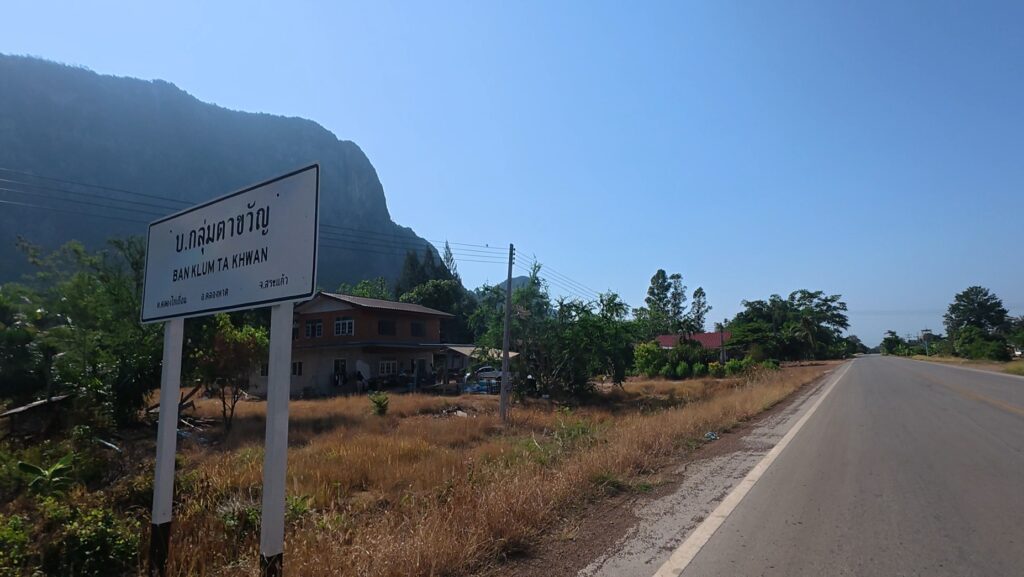
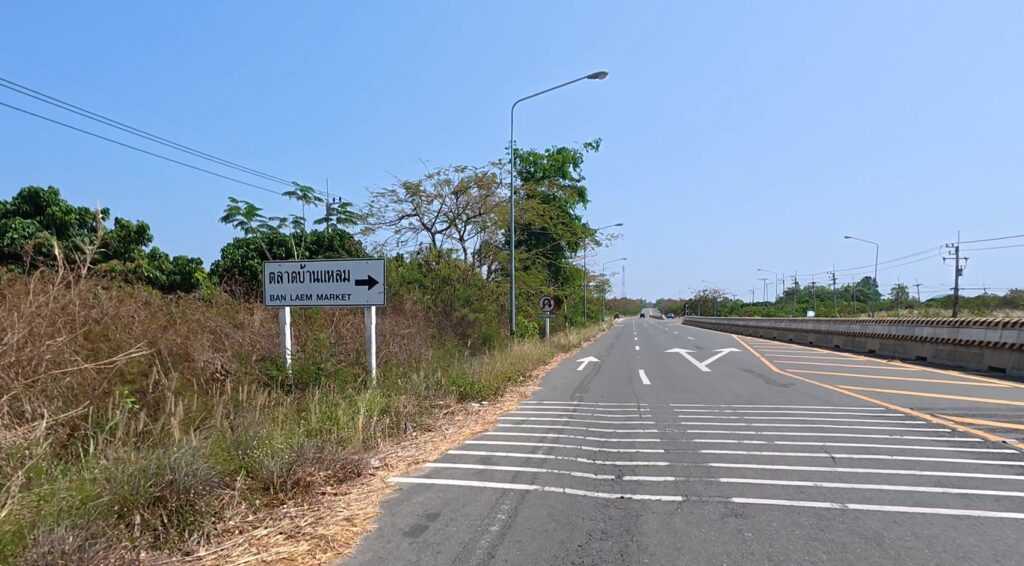
The road toward Ban Laem was also quiet, but the atmosphere felt lighter. The route was clean, open, and surrounded by beautiful countryside.
Fields stretched beside the road, and the landscape seemed to move gently under the clear sky. Once again, there were very few vehicles. I rode for a long time without seeing much activity, enjoying the freedom of the empty road.
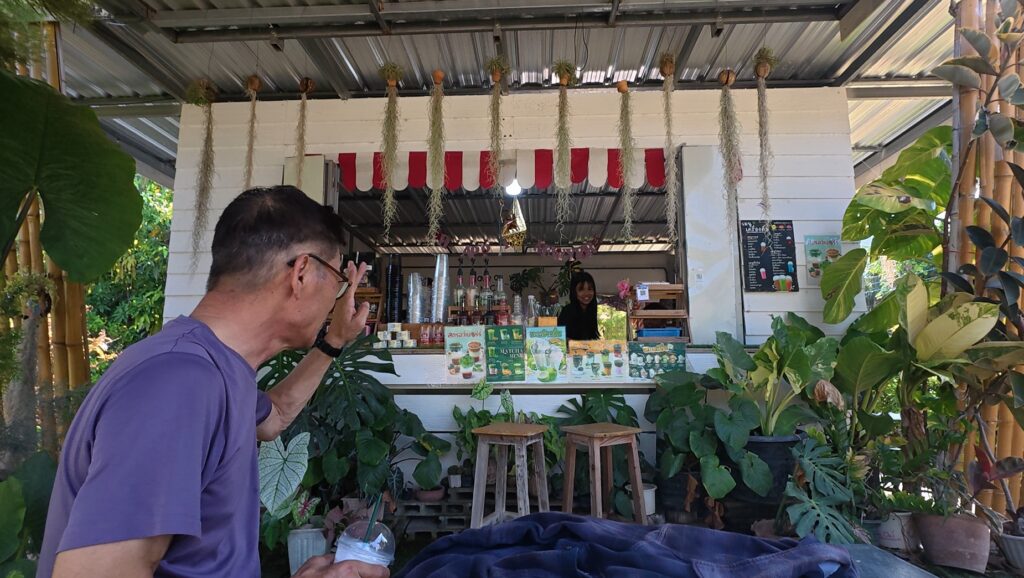
Eventually, I noticed a small café beside the route and decided to stop.
I ordered a watermelon smoothie and sat down to rest. The cold drink was refreshing after riding under the sun. A little girl, probably the owner’s daughter, brought the order to me.
Her serious effort and careful service were touching. In such a small roadside café, her presence brought warmth and life back into the journey.
We shared a brief, simple moment. There was no need for a long conversation. A drink, a smile, and a shaded place to rest were enough.
That ordinary scene felt especially meaningful because so much of the border road had seemed empty. For a short while, the journey was no longer about checkpoints or abandoned roads. It was simply about people meeting along the way.
Arriving at Ban Laem Border Market
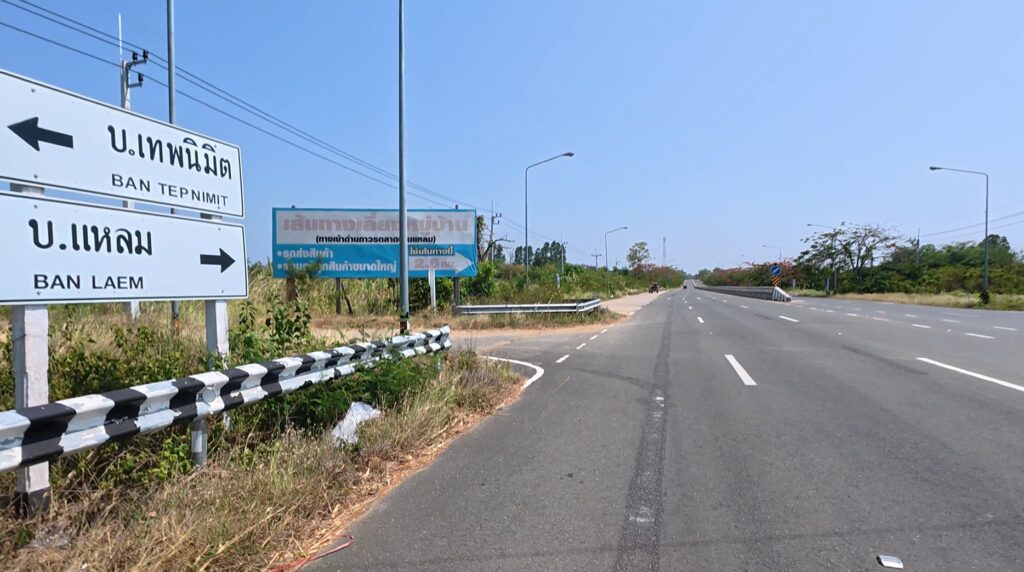
After finishing the smoothie and resting for a while, I continued toward Ban Laem Border Market.
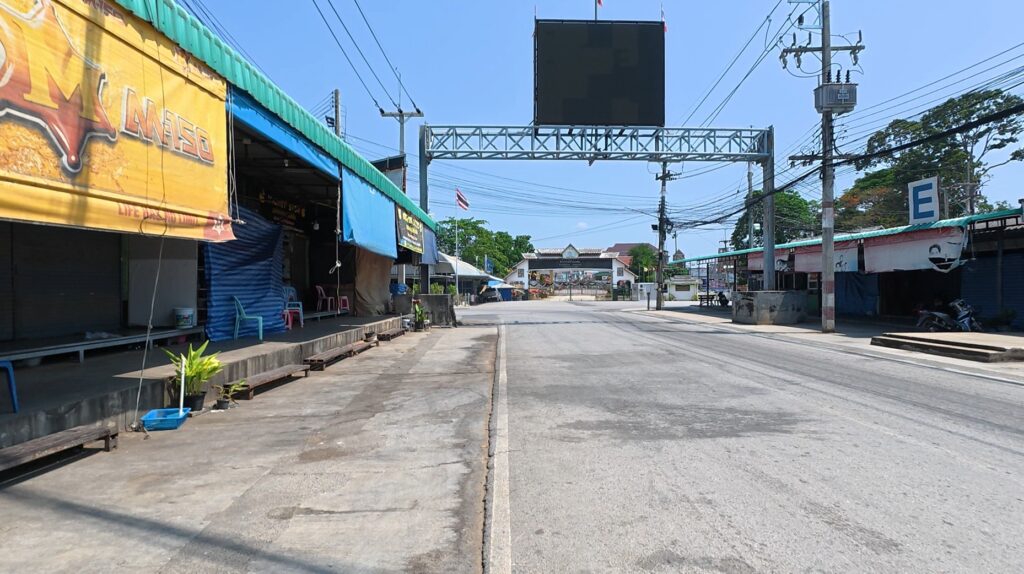
I rode for quite some time before finally reaching another checkpoint. My identity was checked, and after the inspection I was allowed to continue into the border village.
But when I entered, the scene was not what I had hoped to find.
The village was almost completely silent.
Rows of shops stood with their doors closed. The market buildings remained, but the people who should have filled them were missing. There were no busy vendors, no customers moving between stalls, and no lively exchange between travelers and local residents.
The entire village seemed to be waiting.
I looked around and wondered where everyone had gone.
Had they temporarily left? Had business stopped because of the border situation? Were families waiting somewhere else for conditions to improve?
The buildings could not answer. They only stood quietly beneath the bright sky.
The Only Place Still Open
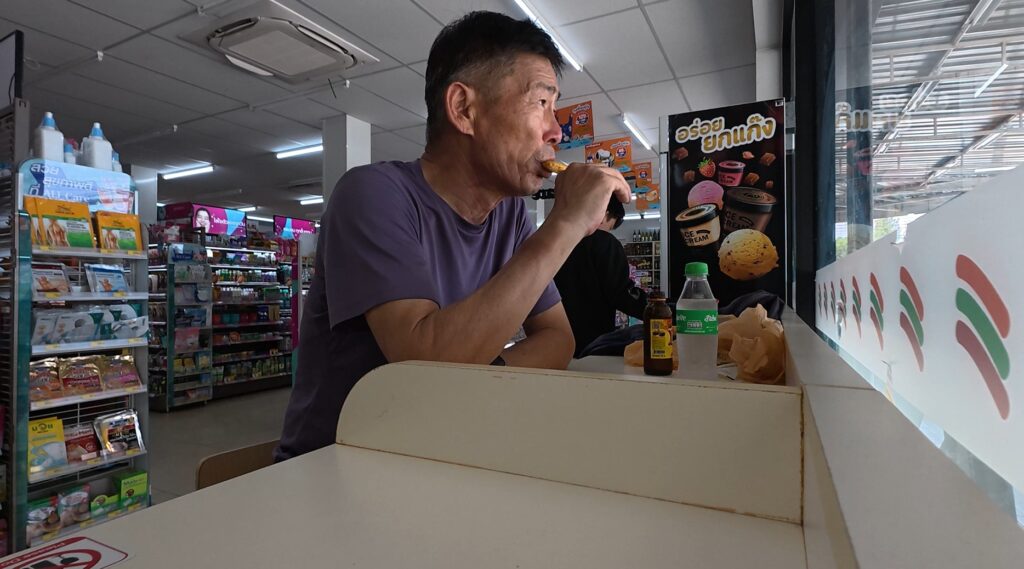
The only place that showed some signs of life was a 7-Eleven. Its doors were open, and a few people occasionally entered and left.
I went inside to escape the heat and cool down. After the long ride, I also began to feel slightly hungry, so I bought a hot snack.
I took a bite, but instead of simple satisfaction, I felt a strange emptiness.
Outside was a market without traders. Around me was a border village without the ordinary sound of village life. I was eating alone, surrounded by convenience and light, yet thinking about the people who were no longer visible.
At that moment, even a small meal brought an uncomfortable question:
What does it mean to continue an ordinary life when an entire community has been forced into uncertainty?
When Nations Clash, Ordinary Lives Disappear
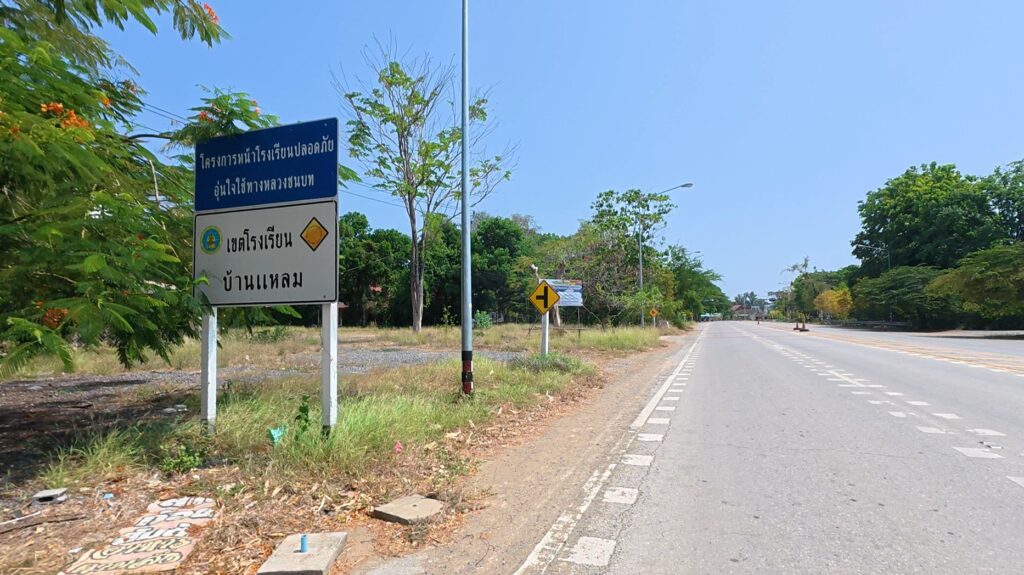
Conflicts between countries are often described through maps, military positions, political statements, and border regulations.
But the true cost does not always appear in official reports.
It appears in closed shops.
It appears in roads slowly covered by weeds.
It appears in markets without customers and villages without voices.
The people who suffer first are often not politicians or military leaders. They are shop owners, drivers, farmers, food sellers, children, and families whose daily lives depend on movement across the border.
A market needs people. A road needs travelers. A village needs conversation, trade, work, and ordinary routines.
When those things disappear, the buildings may remain, but the life of the place begins to fade.
Beauty and Sadness on the Same Road
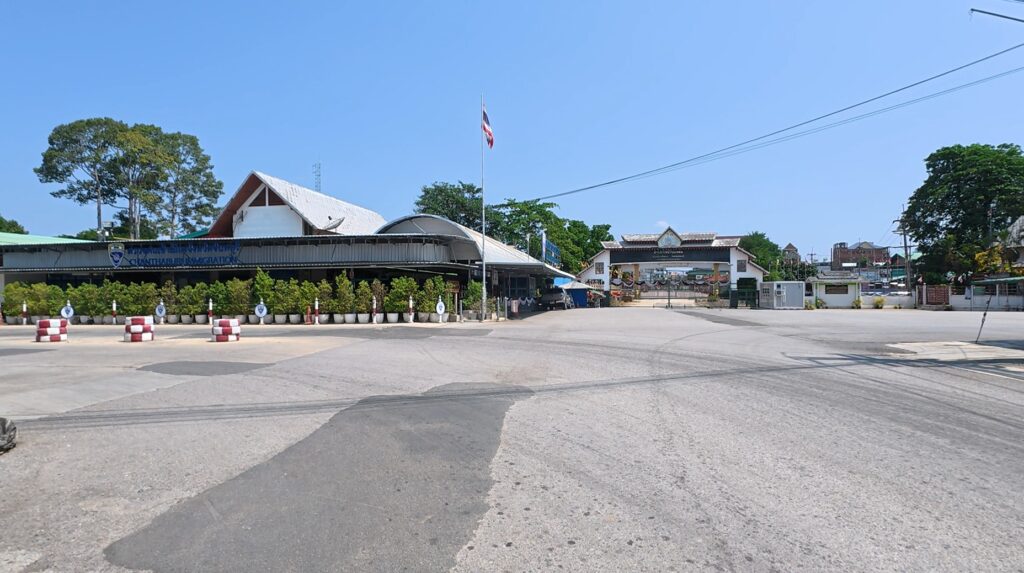
The journey to Ban Laem was visually beautiful. The sky was clear, the roads were peaceful, and the countryside was fresh and open.
There was also kindness along the way: the small café, the cold watermelon smoothie, and the little girl proudly serving a traveler.
Yet the farther I traveled, the more I felt the contrast between the beauty of the landscape and the sadness of the human situation.
Nature continued as usual. Grass grew. Clouds moved. The sun shone across the fields.
But human life had been interrupted.
That contrast made the silence even heavier.
Where Did Everyone Go?
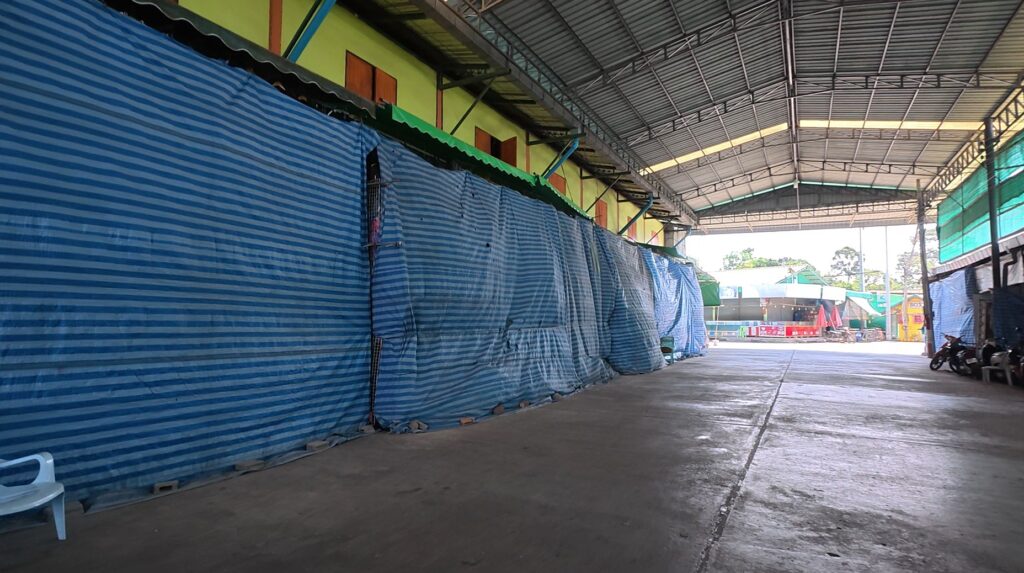
This ride did not end with a dramatic destination or a joyful market visit.
It ended with a question.
Where did everyone go?
Perhaps some people moved to safer places. Perhaps shop owners are waiting for the border to reopen. Perhaps families continue their lives elsewhere, hoping to return when the tension passes.
I do not know their individual stories.
But traveling through the empty roads and closed markets made one thing clear: when relations between nations break down, the pain eventually reaches people who had no power to create the conflict.
They lose customers, income, movement, familiarity, and sometimes even the feeling of home.
The silence surrounding Ban Laem Border Market felt heavier than the empty roads that had brought me there.
I left Ban Laem Border Market on the same small Honda Cub, carrying no clear answer with me.
Only the memory of a beautiful road, a kind child at a roadside café, a silent market, and the troubling feeling that behind every closed door there was once an ordinary human life.
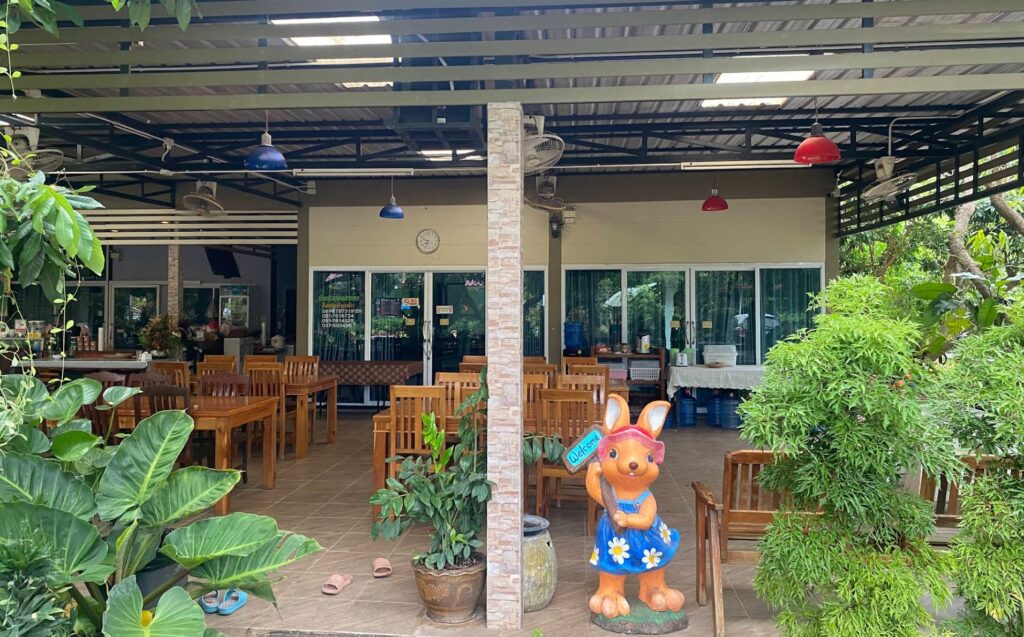
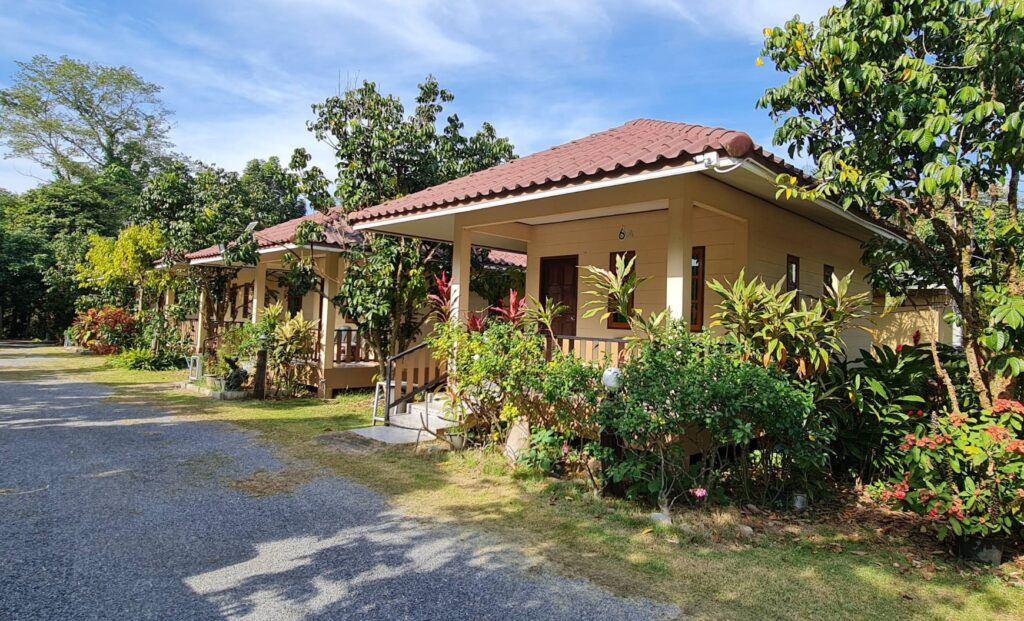
A Quiet Rest Before the Border Ride
Klang Hat Resort
View Klang Hat Resort on Google Maps
The Road That Ended Before Khao Din Market
Khao Din Market
View Khao Din Market on Google Maps
The Silent Border Village of Ban Laem
Ban Laem Border Market
View Ban Laem Border Market on Google Maps