Ban Pakkad Border Checkpoint was the destination of this early morning ride from Rayong toward the Thai–Cambodian frontier. Once known as an important crossing point for visa renewals and travel into Cambodia, it had remained in my memory as a place of movement, paperwork, waiting travelers, and border activity.
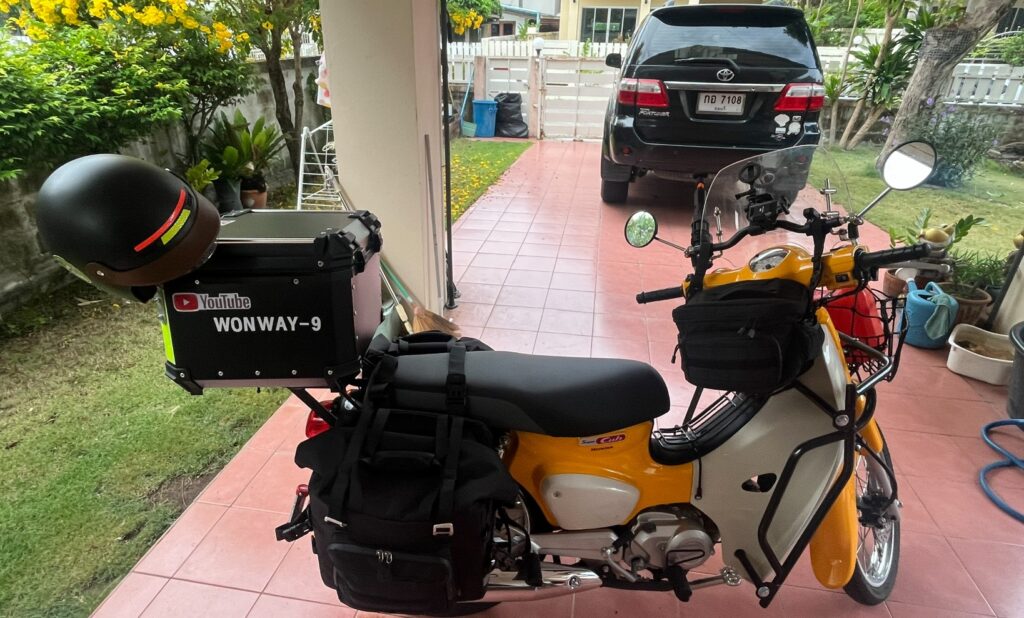
I left home at seven in the morning, earlier than usual. The air was still cool, the roads were not yet busy, and the yellow Honda Cub was ready for another long journey east.
There was a sense of anticipation in the ride. I was not only heading toward a border. I was heading toward a place that had once connected people, countries, and ordinary lives.
An early morning ride from Rayong to Ban Pakkad, where open roads lead to a silent and firmly closed Cambodian border.
An Early Start from Rayong
The day began quietly.
I checked the motorcycle, prepared my small luggage, and started the engine while the morning was still fresh. Leaving early gave me the feeling that the entire day was waiting ahead.
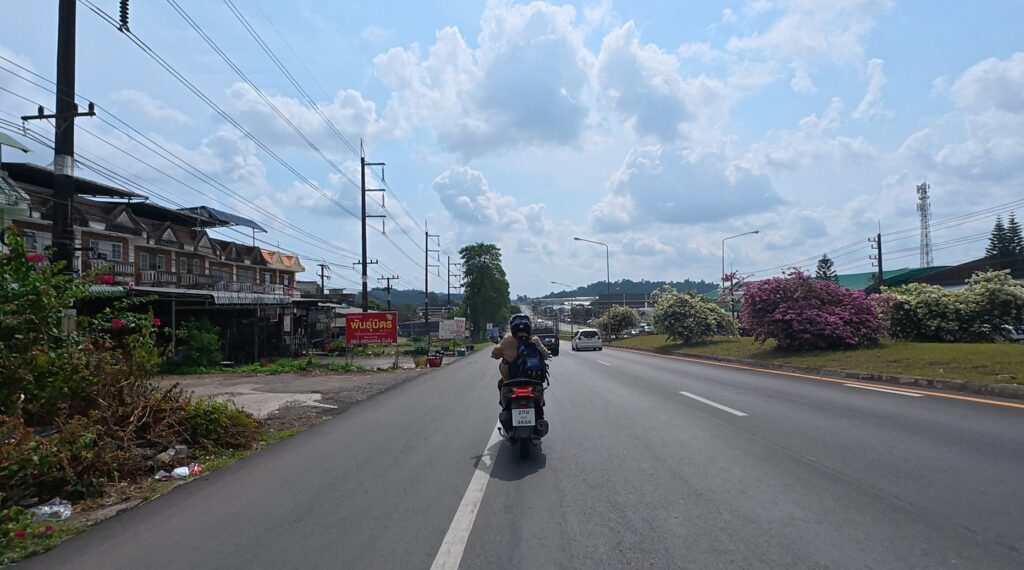
The road from Rayong toward Chanthaburi is always pleasant. Traffic is usually light, the landscape gradually opens, and the farther I travel from the towns, the more relaxed the journey becomes.
The road felt wide, bright, and full of possibility.
Now and then, powerful motorcycles appeared with loud exhaust sounds. Their riders moved quickly, announcing their presence long before they passed.
Beside them, the little Honda Cub looked modest.
But the Cub was never intimidated.
It did not need to be the fastest motorcycle on the road. It carried me steadily, faithfully, and without complaint. Its engine sound was small, but its spirit was not.
The Open Road Toward the Border
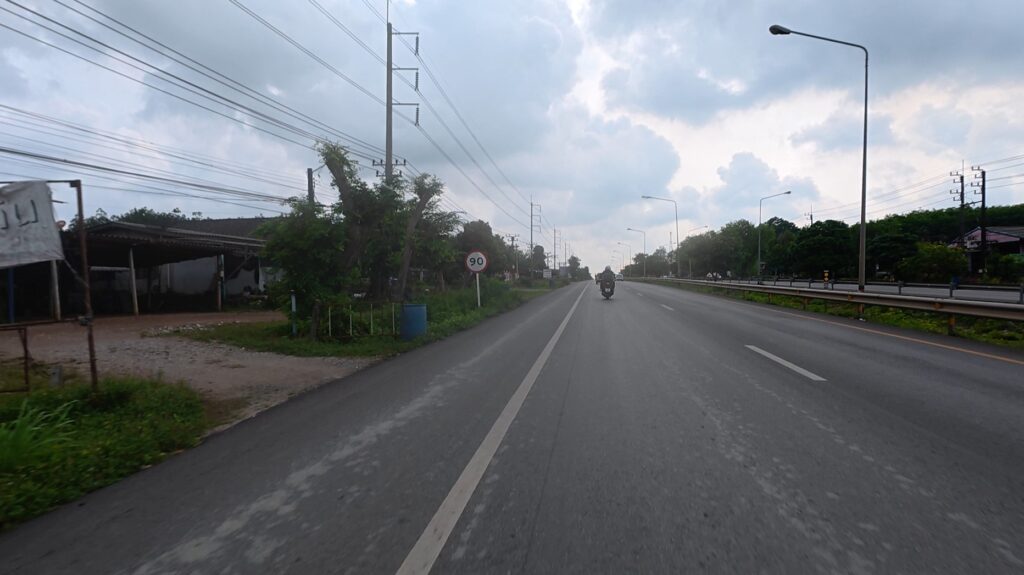
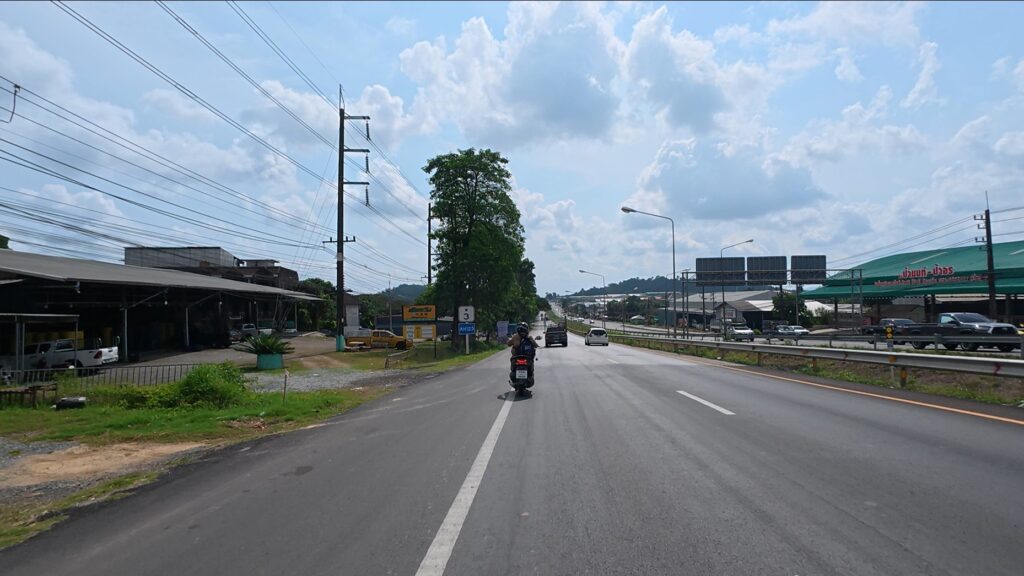
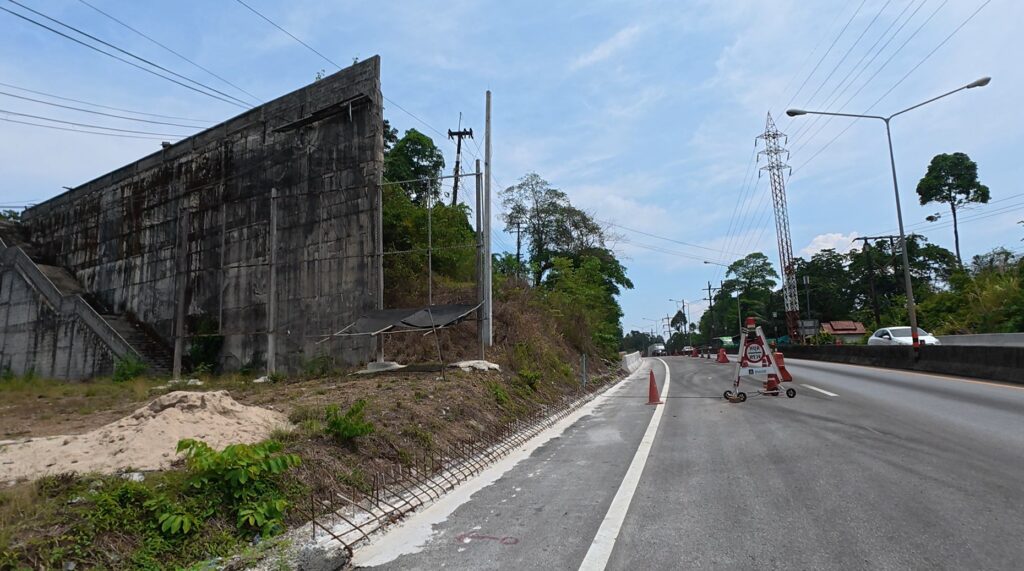
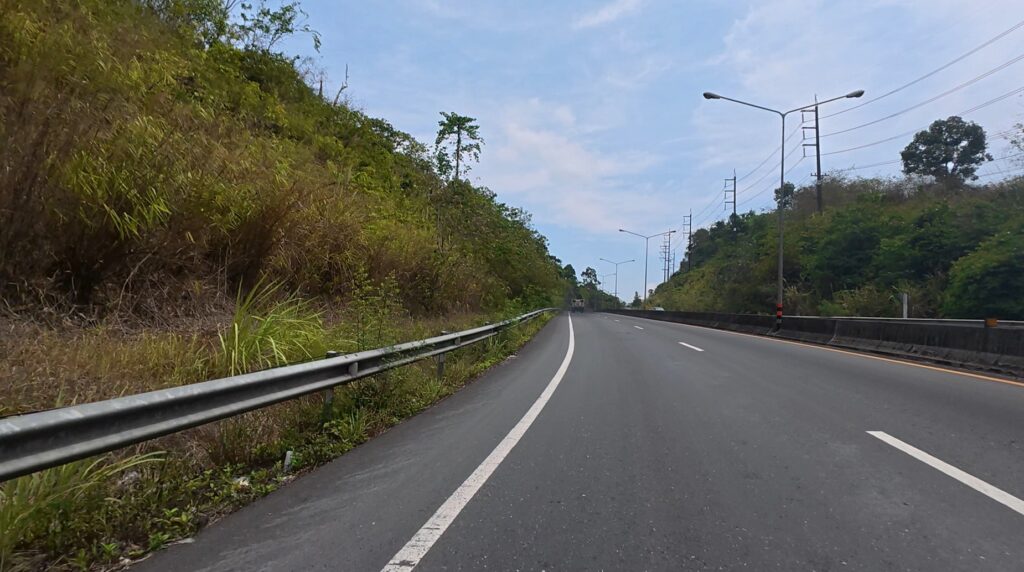
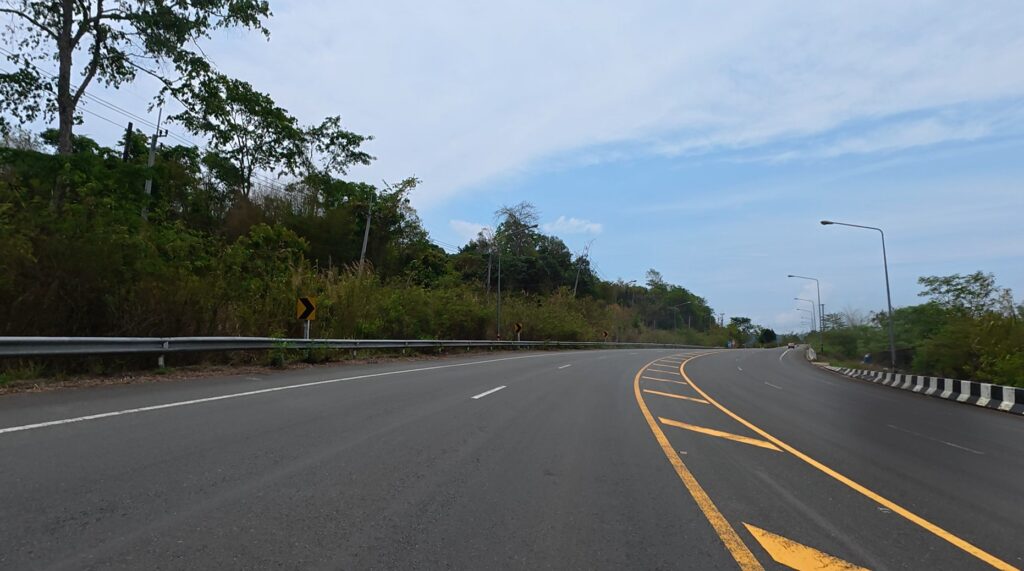
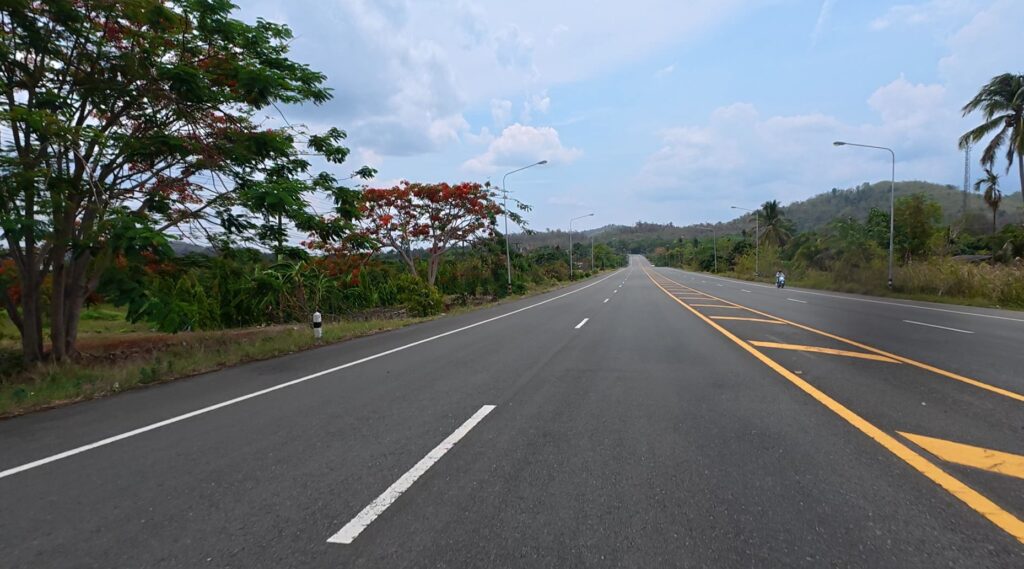
After passing through Chanthaburi, the road toward the border became even more spacious and quiet.
At times, it felt as though the entire highway belonged to me.
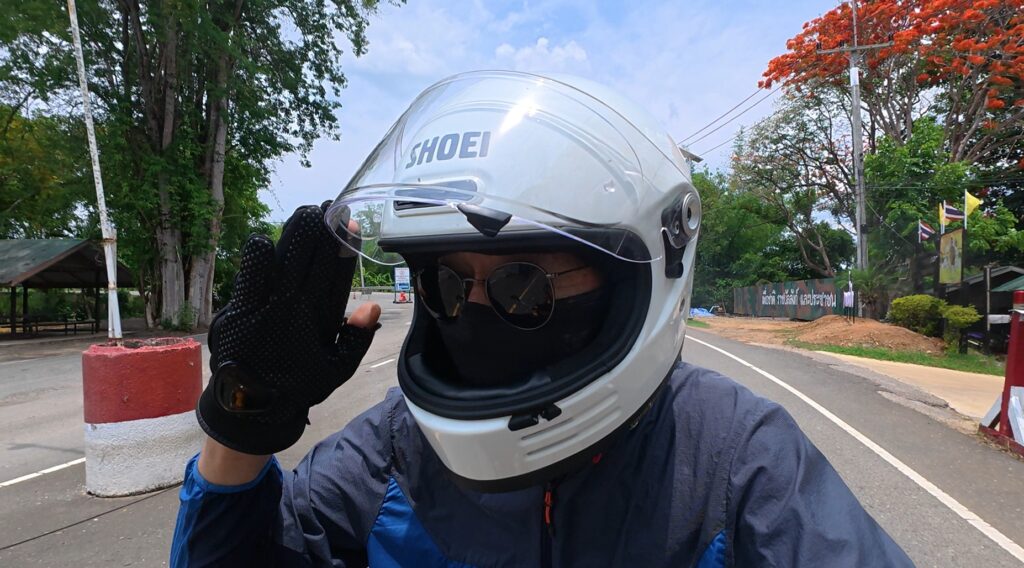
There were long stretches with almost no vehicles. The road extended toward the horizon under a wide sky, giving the ride a wonderful sense of freedom.
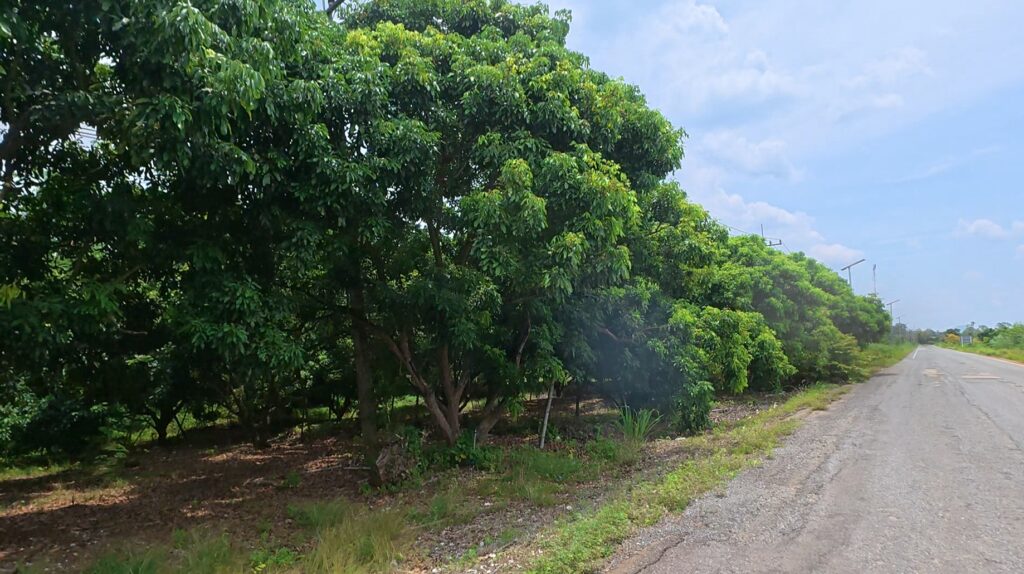
Along the roadside, mango trees remained thick and green even after giving away their fruit for the season. Other trees added small bursts of color to the journey, softening the hard lines of the road with red, yellow, and green.
The scenery was not spectacular in a dramatic way. Its beauty came from openness, freshness, and the absence of hurry.
The farther I rode, the more I felt released from ordinary concerns.
There are moments on a long ride when the road seems to clear the mind. The body continues moving forward, while thoughts slowly become lighter.
Entering Ban Pakkad Border Village
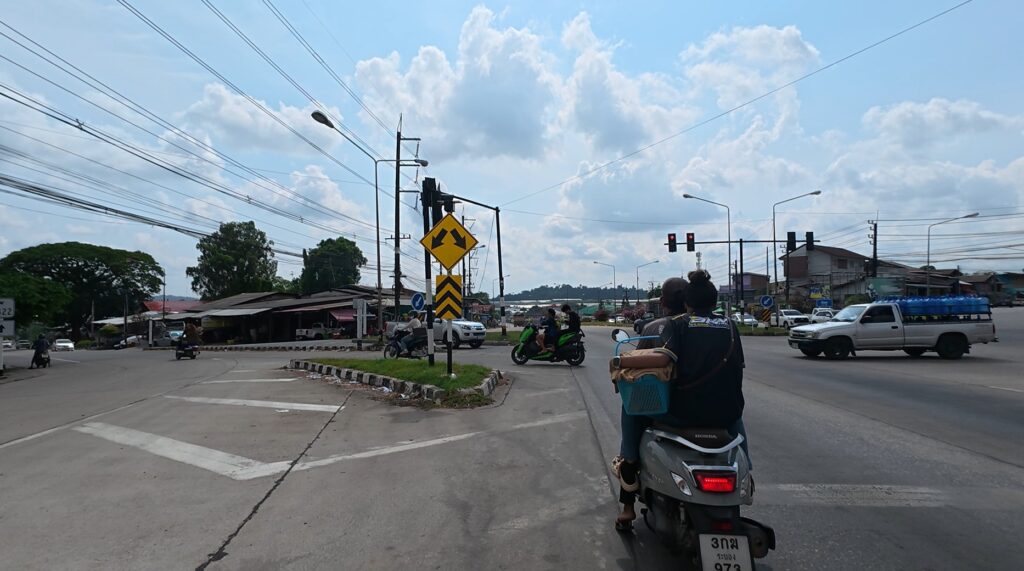
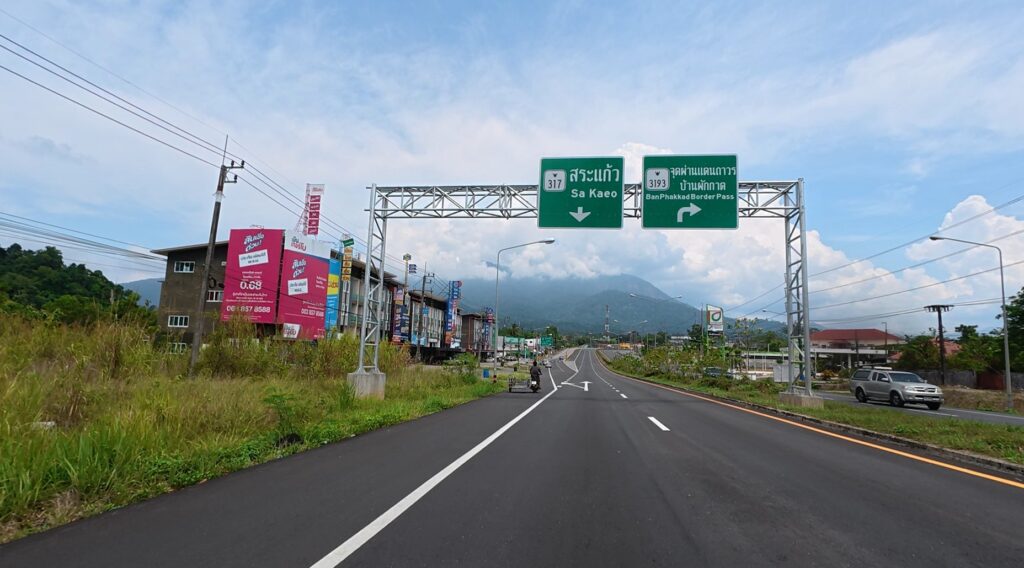
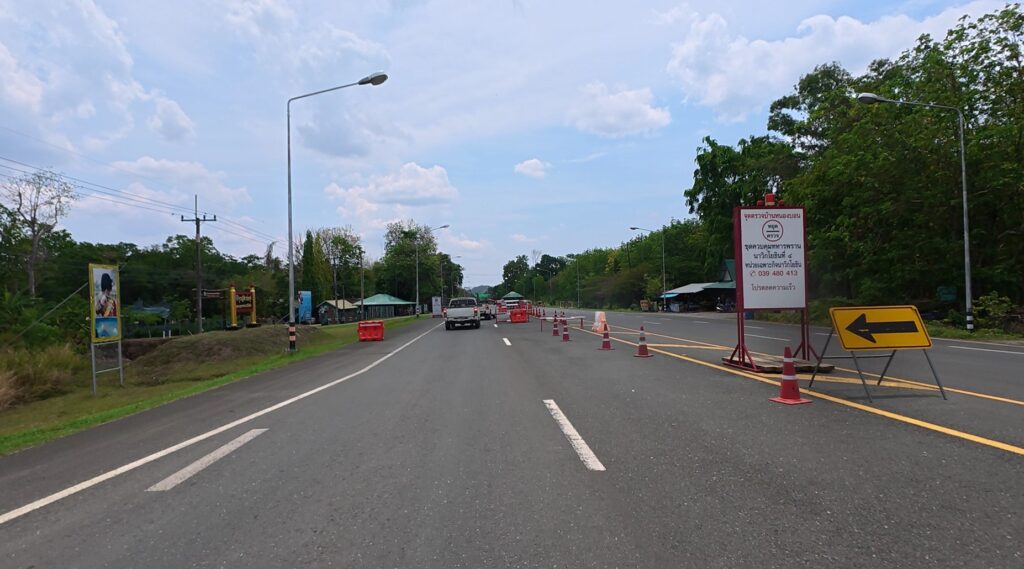
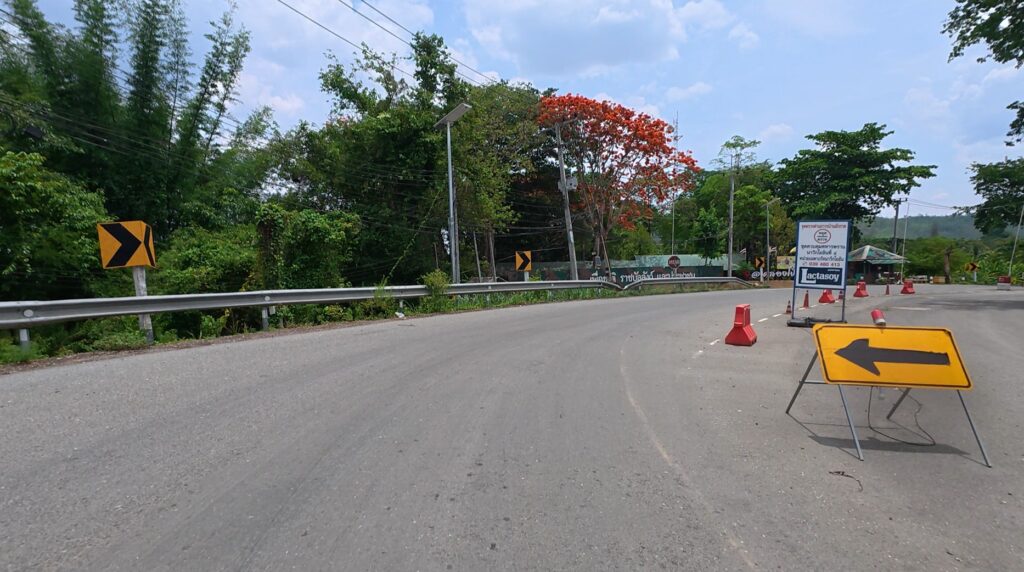
Eventually, signs began directing me toward Ban Pakkad.
The closer I came to the border village, the quieter the surroundings became. I expected to see signs of border life: parked vans, travelers carrying documents, food stalls, currency exchange booths, and people waiting to cross.
Instead, the village felt almost deserted.
The first thing that caught my attention was the silence.
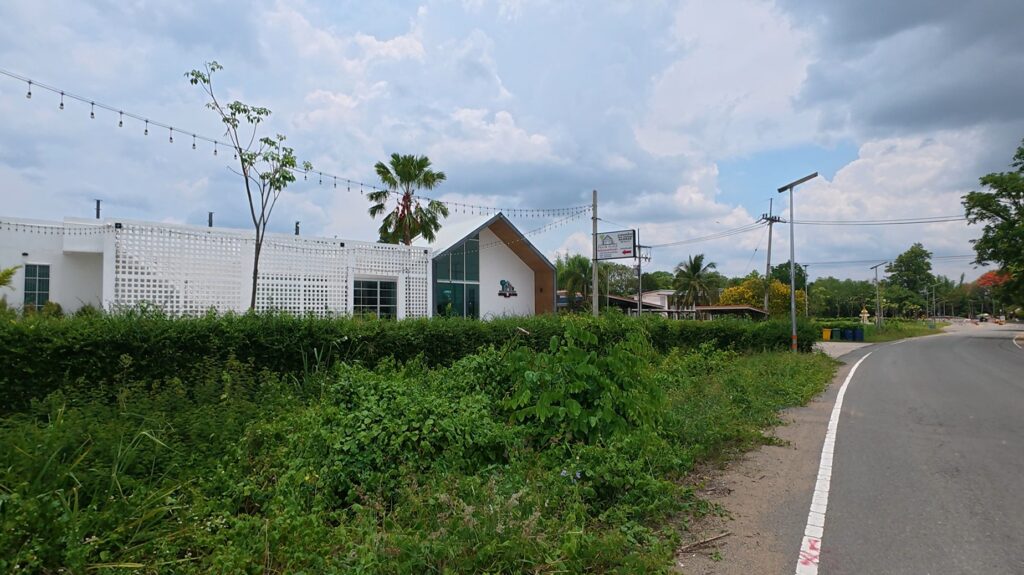
Shops stood with their doors closed. Buildings that once served travelers looked abandoned. The duty-free shop was shut, its entrance dark and empty.
There were no crowds.
There was no noise from luggage wheels, no engines waiting in line, and no conversations between travelers and immigration officers.
The border village remained physically present, but its life seemed to have disappeared.
The Immigration Office Without People
I continued toward the immigration area.
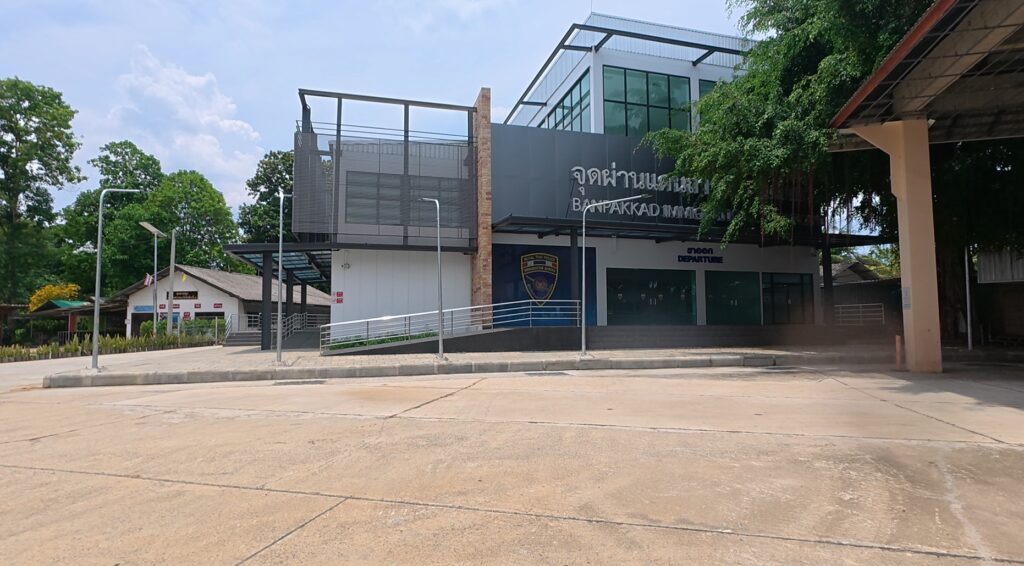
The offices were still there, but the lights were off. Windows were closed, counters were empty, and no officials could be seen moving inside.
For a place once associated with visa runs and international crossings, the stillness was unsettling.
A border checkpoint is normally a place of waiting. People stand in lines, check their passports, ask questions, fill out forms, and move nervously between one country and another.
Here, there was no waiting because there was almost no one left to wait.
The empty immigration offices felt more powerful than a busy scene would have. They silently showed how completely movement had stopped.
A Gate Firmly Closed
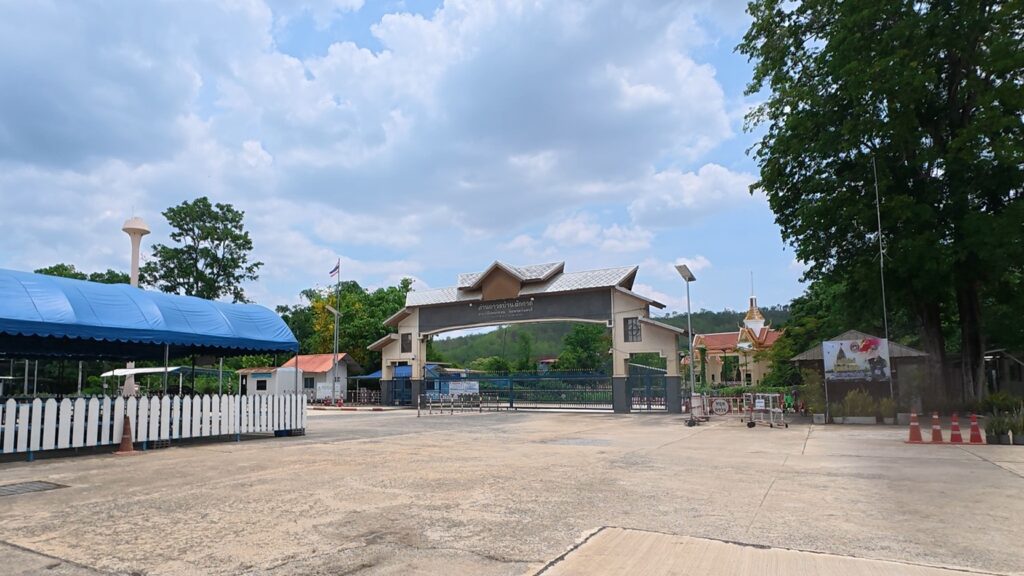
At last, I reached the border entrance.
The gate was firmly closed.
Beyond it lay Cambodia, close enough to see but impossible to reach. The physical distance was small, yet the closed gate made the other side feel far away.
I stopped the Honda Cub and looked toward the border.
This had once been an important crossing point. Travelers came here to renew visas, continue journeys, visit family, or conduct business. The gate had connected two sides of daily life.
Now it stood as a barrier.
The road ended not because the pavement disappeared, but because permission, movement, and human contact had disappeared.
I had traveled for hours only to meet silence and a closed entrance.
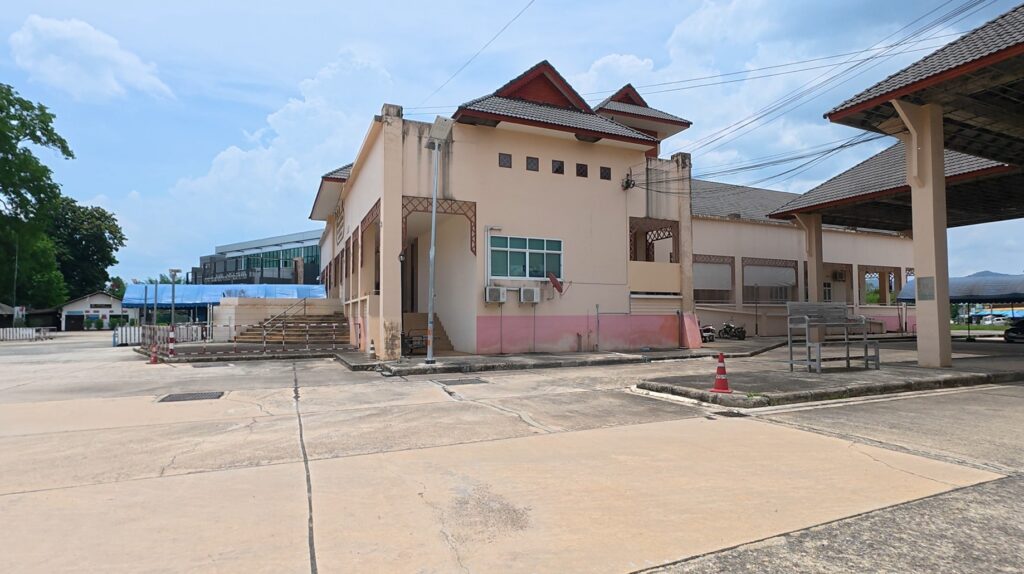
Searching for Signs of Life
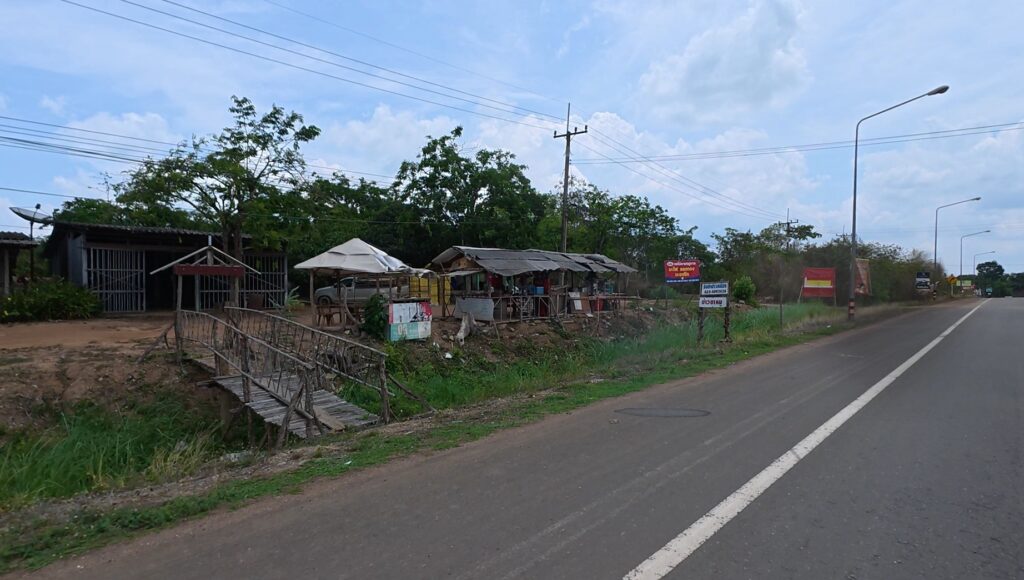
Disappointed, I turned the motorcycle around and slowly rode back through the commercial area.
Perhaps, I thought, there might still be some activity deeper inside the village. I looked toward the shops and side streets, hoping to find an open café, a small restaurant, or people sitting in the shade.
But Ban Pakkad was not very different from the other border villages I had recently visited.
Most stores were closed.
The walkways were empty.
The market structures remained, but the voices that once filled them were gone.
The buildings seemed to be waiting for people who no longer came.
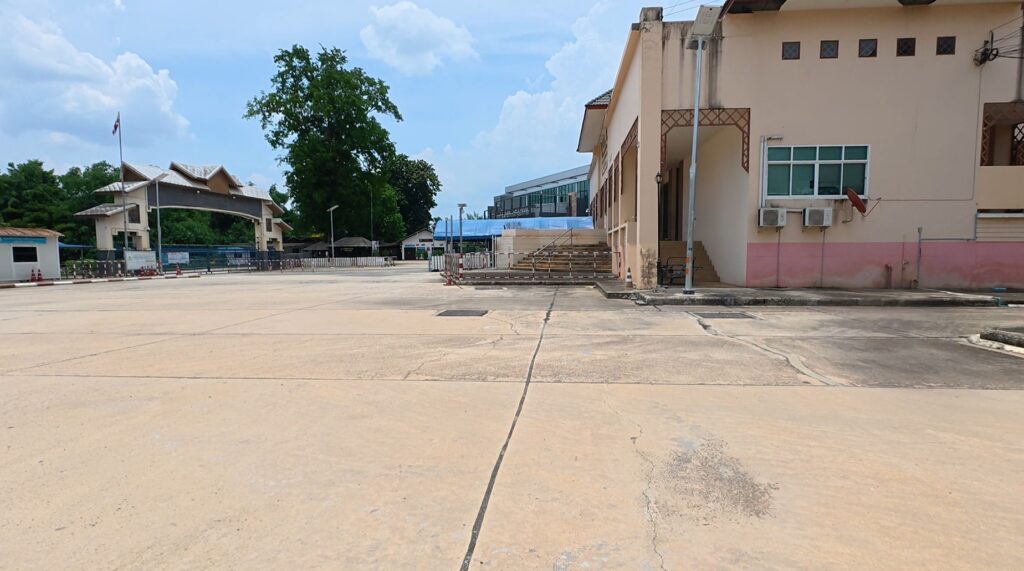
Looking Across Toward Cambodia
I stopped again and stood quietly near the border.
For a while, I simply looked beyond the closed gate toward Cambodia.
I placed a cigarette between my lips, not because there was anything to celebrate, but because the moment felt empty and difficult to understand.
The journey had been beautiful. The weather was good. The roads had been open and peaceful.
Yet the destination brought only disappointment.
I wondered how many people had once depended on this crossing. Drivers, vendors, hotel owners, immigration workers, small shopkeepers, and families on both sides must have built their routines around the movement of the border.
When the gate closed, their roads did not simply become quiet.
Their lives changed.
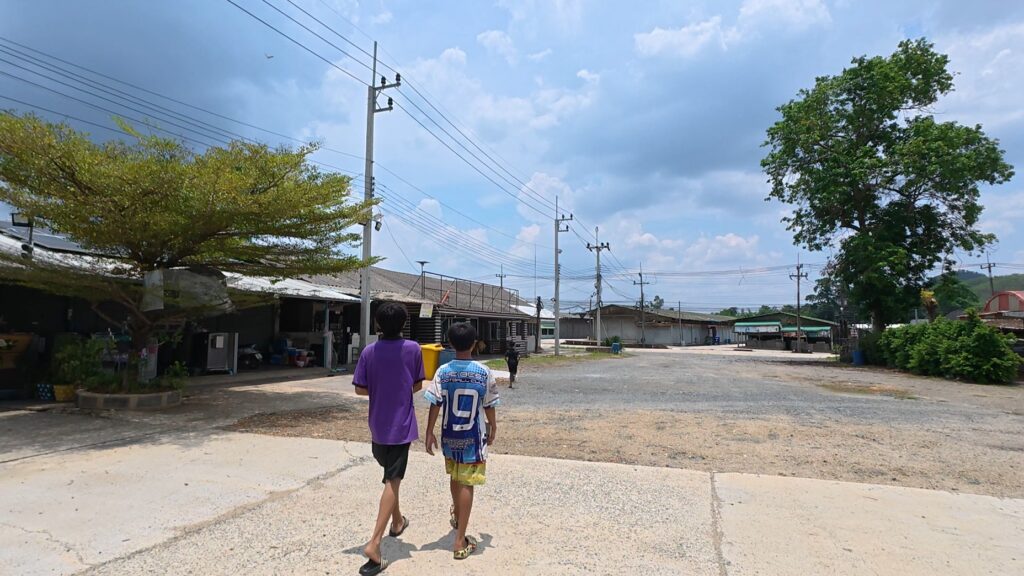
A Few Children Crossing the Empty Space
Then I noticed several children walking across the open area.
Their appearance was brief, but meaningful.
Until that moment, the village had felt completely abandoned. Seeing the children reminded me that life had not disappeared entirely.
There were still families somewhere nearby.
There were still meals being prepared, homes being cleaned, and children growing up within this silent border community.
Their presence was a small sign that the village was not dead.
It was only waiting.
That thought gave the place a little warmth, but it also made the emptiness more painful. Children were growing up beside buildings created for movement, trade, and connection, yet those spaces now stood closed around them.
Leaving Without Satisfaction
I eventually decided to leave Ban Pakkad.
The return journey did not feel inviting.
Normally, after reaching a destination, there is a sense of completion. Even a difficult road feels worthwhile when it ends with discovery, conversation, or a memorable view.
This time, I felt unfinished.
I passed the resort where I had once considered staying for the night. Under different circumstances, I might have stopped there, rested, and spent more time exploring the border village.
But the place no longer held me.
I continued riding without looking back.
The road home stretched ahead, but my thoughts remained at the closed gate.
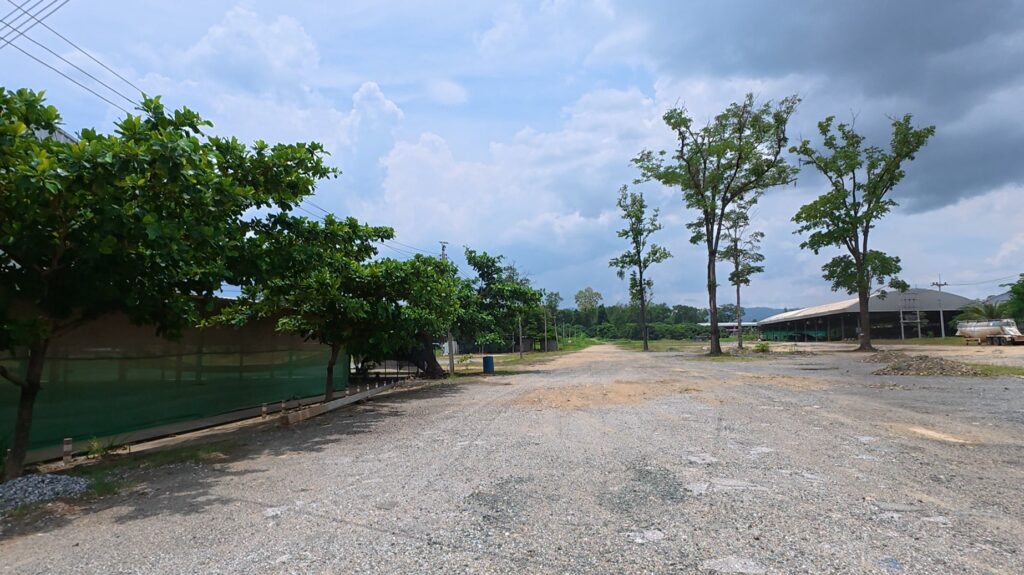
A Wide Field Beside the Road
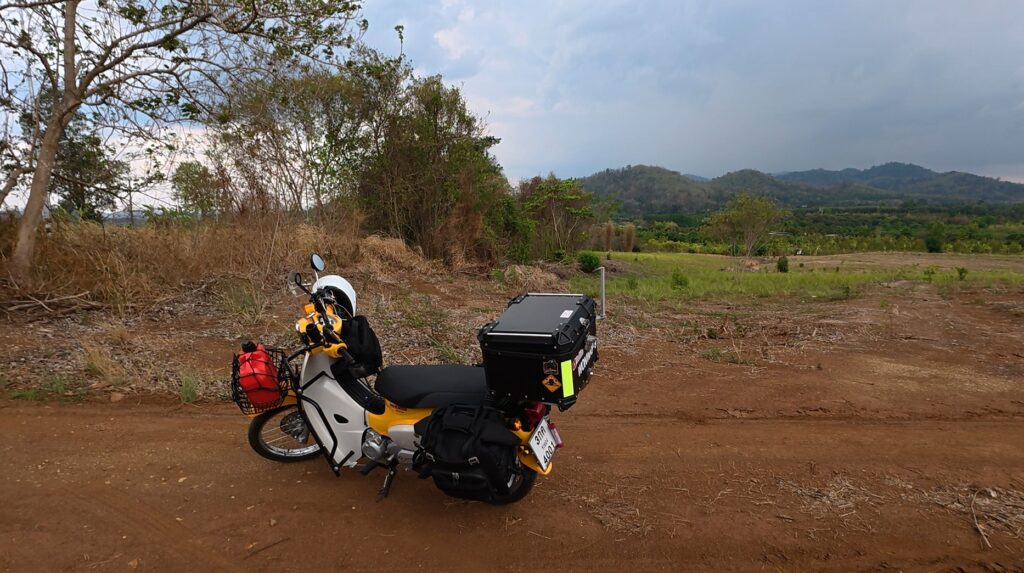
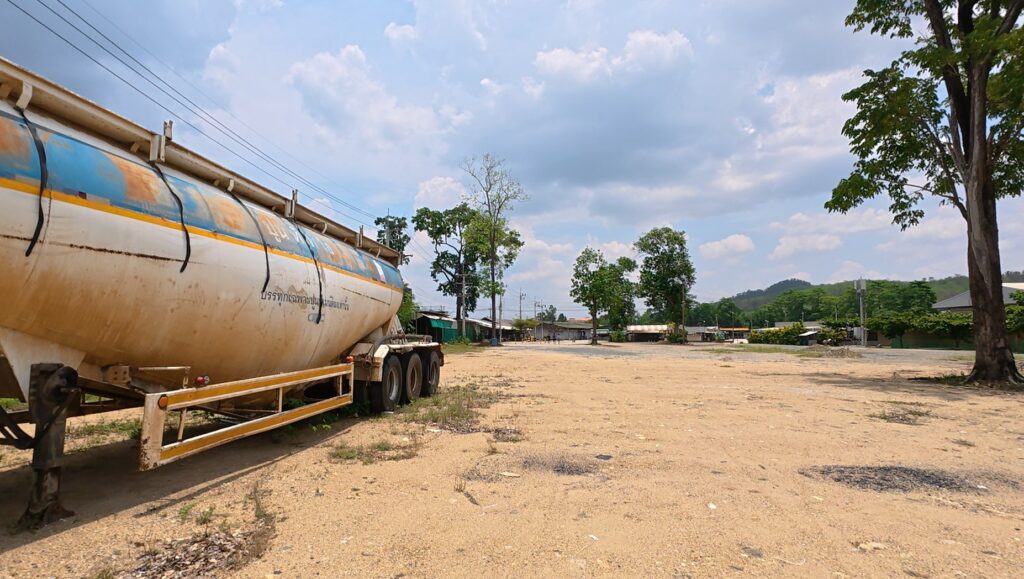
After riding for some time, I noticed an open area beside the road.
I turned off the highway and entered.
Suddenly, a wide panorama opened in front of me.
The land stretched far into the distance beneath the sky. There were no gates, no offices, no barriers, and no silent commercial buildings.
Only earth, wind, clouds, and space.
The openness was exactly what I needed.
I stopped the motorcycle and stood in the field for a while, allowing the landscape to loosen the heaviness inside me.
The border had made me feel confined, even though I had remained on an open road. Here, surrounded by the broad horizon, that feeling slowly began to fade.
Sometimes a place cannot answer the questions we carry.
It can only give us enough space to breathe again.
Filling the Honda Cub for the Journey Home
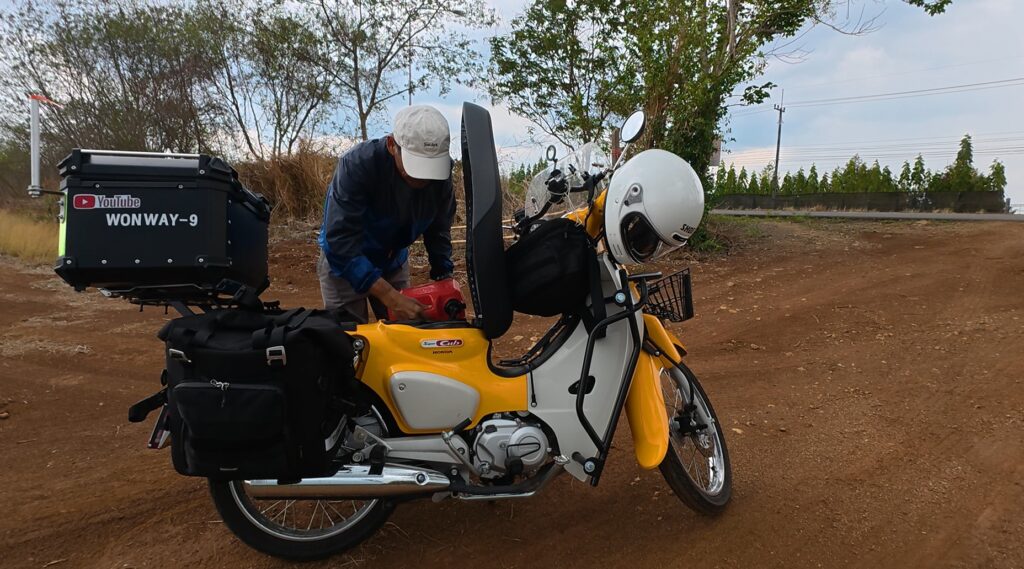
Before continuing home, I refueled the Honda Cub.
It was a simple action, but it felt like the final scene of the journey.
The small motorcycle had carried me from Rayong, through Chanthaburi, along wide roads, past mango trees, and finally to the closed border.
It had waited beside me while I stared across toward Cambodia.
Now it needed fuel to carry the foreign rider back home.
I filled the tank, checked the luggage, and prepared to leave.
The Human Meaning of a Closed Border
Countries often describe borders through security, regulations, diplomacy, and control.
But for ordinary people, a border is something much more practical.
It is a road to work.
It is a place to sell food.
It is a route to family.
It is a hotel room, a taxi fare, a market stall, or a day’s income.
When a border closes, the political meaning may be discussed in distant offices. But the human cost appears quietly in places like Ban Pakkad Border Checkpoint.
It appears in dark immigration offices.
It appears in closed duty-free shops.
It appears in empty parking areas and silent market buildings.
It appears in a rider standing alone, looking across a gate that once allowed people to pass.
Beyond the Closed Gate
The journey to Ban Pakkad did not give me the experience I had expected.
I did not cross the border. I did not meet travelers renewing visas. I did not find the active frontier village I had imagined.
Instead, I found a place paused by forces larger than the people who lived there.
Yet the journey was not meaningless.
The empty offices, the closed gate, the few children, and the open field on the way home all became part of the same story.
One place showed me what happens when human movement stops.
The other reminded me that the world is still wide.
I left Ban Pakkad Border Checkpoint carrying disappointment, but the broad landscape on the return road helped me release some of it.
The gate remained closed behind me.
The road ahead remained open.
The Border at the End of the Road
Ban Pakkad Border Checkpoint
View Ban Pakkad Border Checkpoint on Google Maps
Gallery
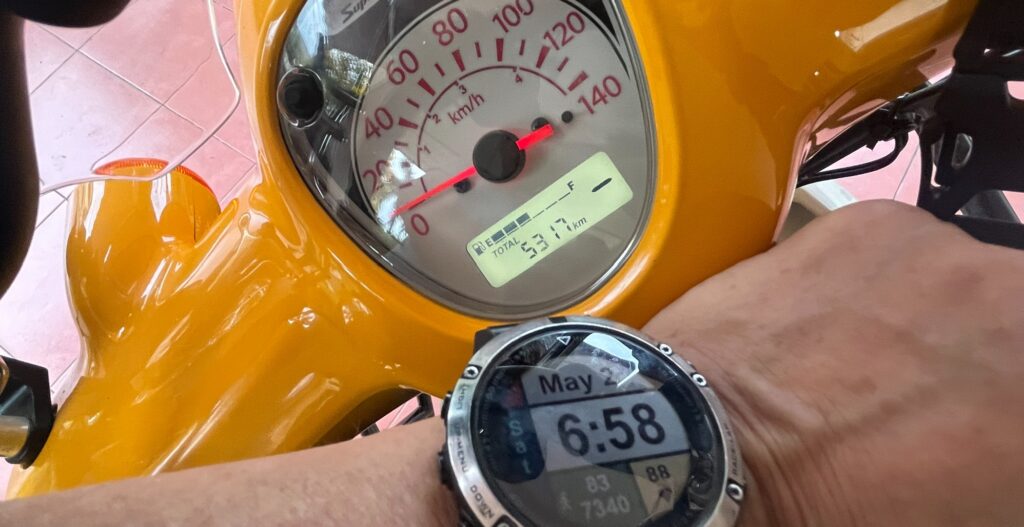
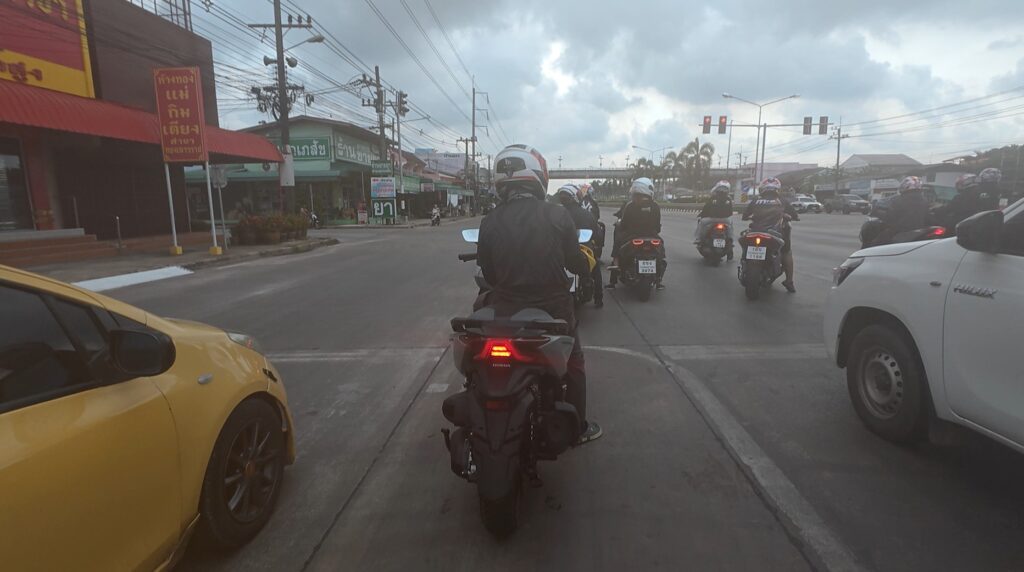
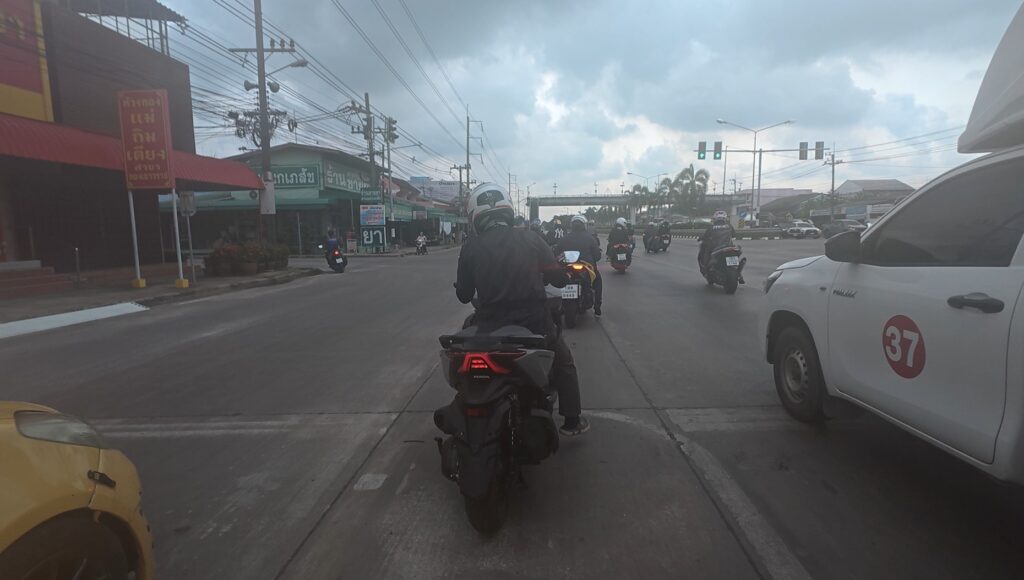
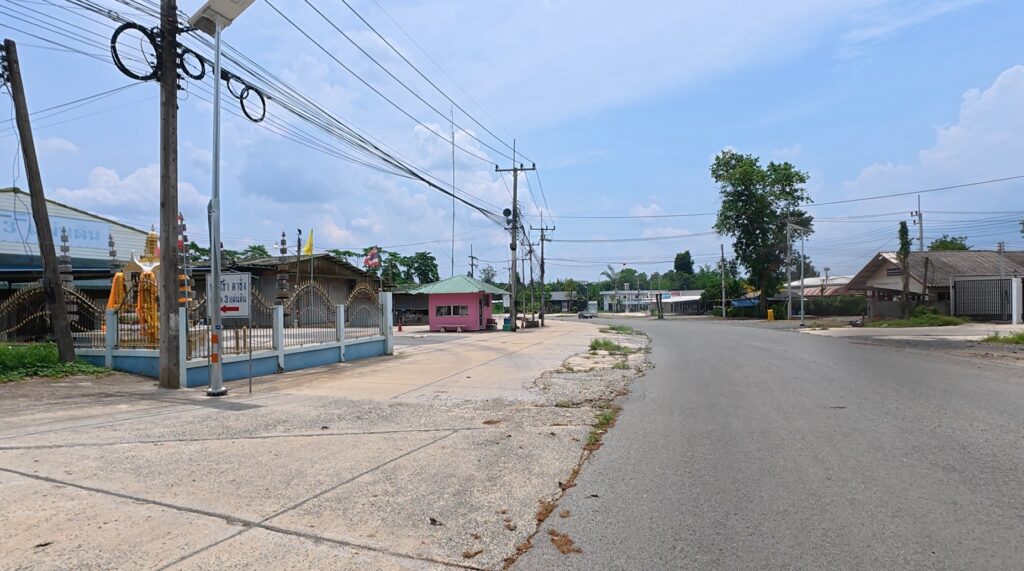
Scenes from the early morning ride, open border roads, silent immigration facilities, and the wide landscape encountered on the journey to Ban Pakkad.