From Sadok Kok Thom Historical Park to the abandoned border market of Ban Khlong Luek, and onward to the ancient ruins of Prasat Khao Noi.
Leaving Sadok Kok Thom for the Border
This Thai Cambodian Border Riding journey began after I left Sadok Kok Thom Historical Park and returned to my motorcycle.
The road stretched across the dry and open land of Sa Kaeo. Fields, small houses, and quiet roadside buildings passed slowly beside me. It was a peaceful landscape, yet the closer I rode toward Ban Khlong Luek, the heavier the atmosphere seemed to become.
Behind me stood the remains of an ancient civilization. Ahead of me was a modern border shaped by trade, migration, politics, and conflict.
At that moment, I did not know what I would find there. I only remembered the border market as a place crowded with people, motorcycles, carts, workers, and merchants moving constantly between two countries.
So I continued riding, expecting noise and movement.
Instead, I was heading toward an unexpected silence.
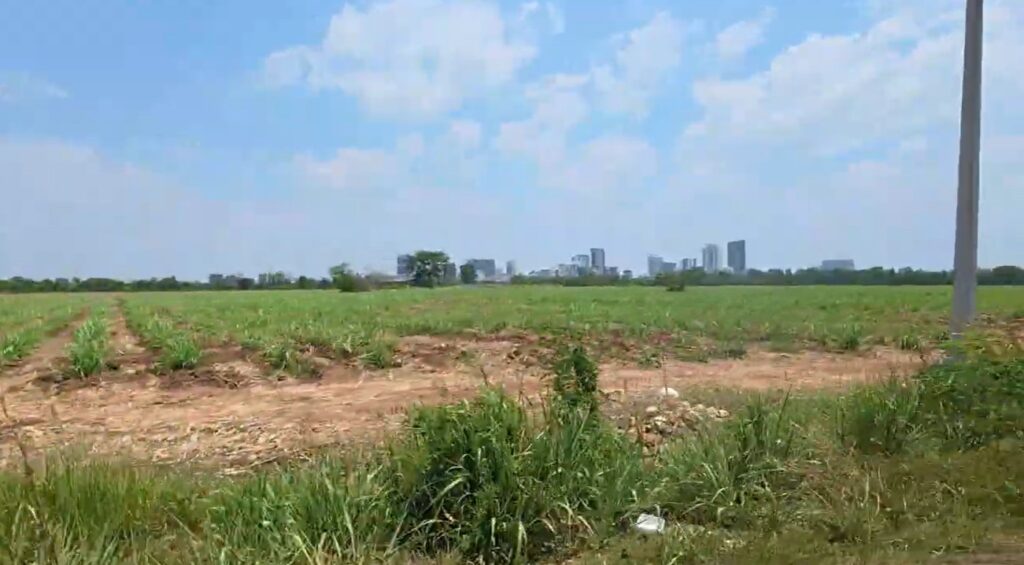
From Sadok Kok Thom to the silent border market of Ban Khlong Luek, then south to the ancient ruins of Prasat Khao Noi—a ride through conflict, memory, and the fragile meaning of human life.
A Road Once Filled with Movement
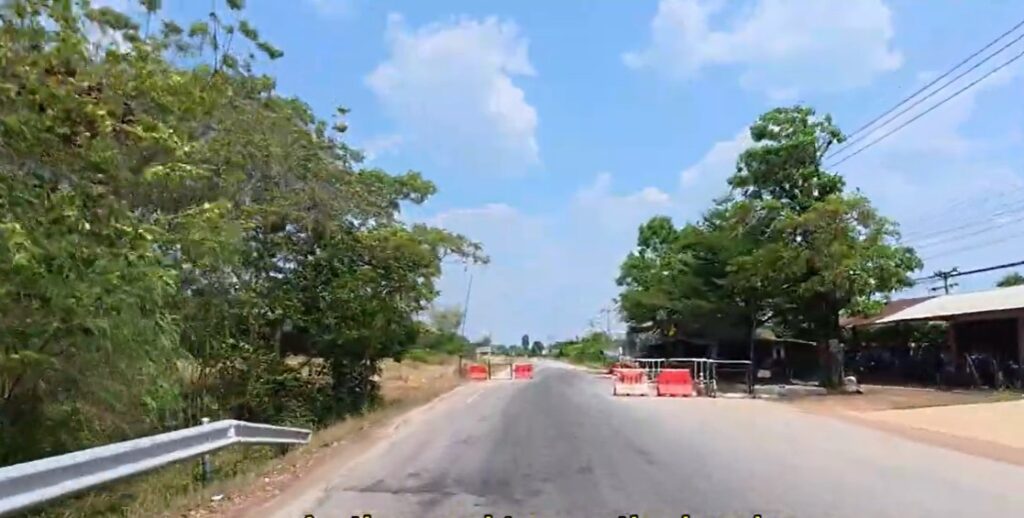
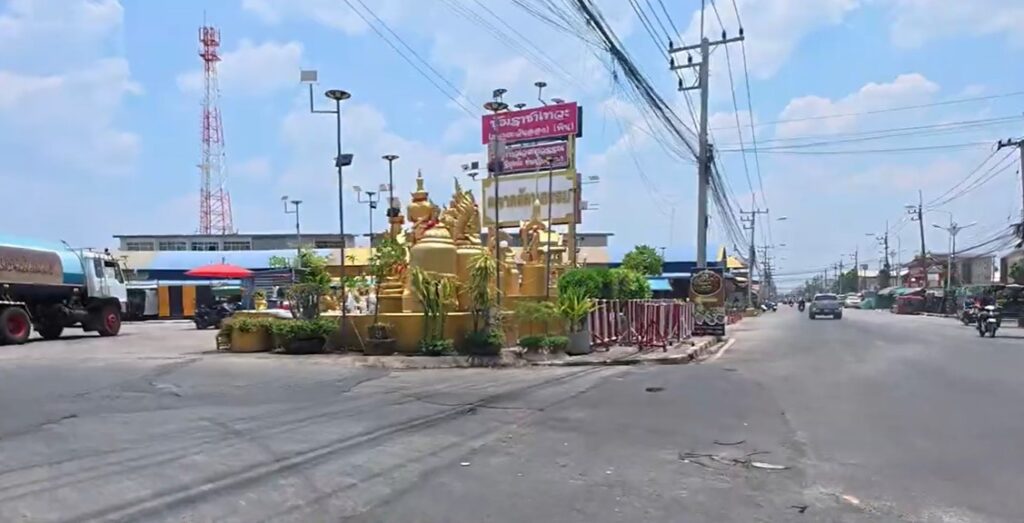
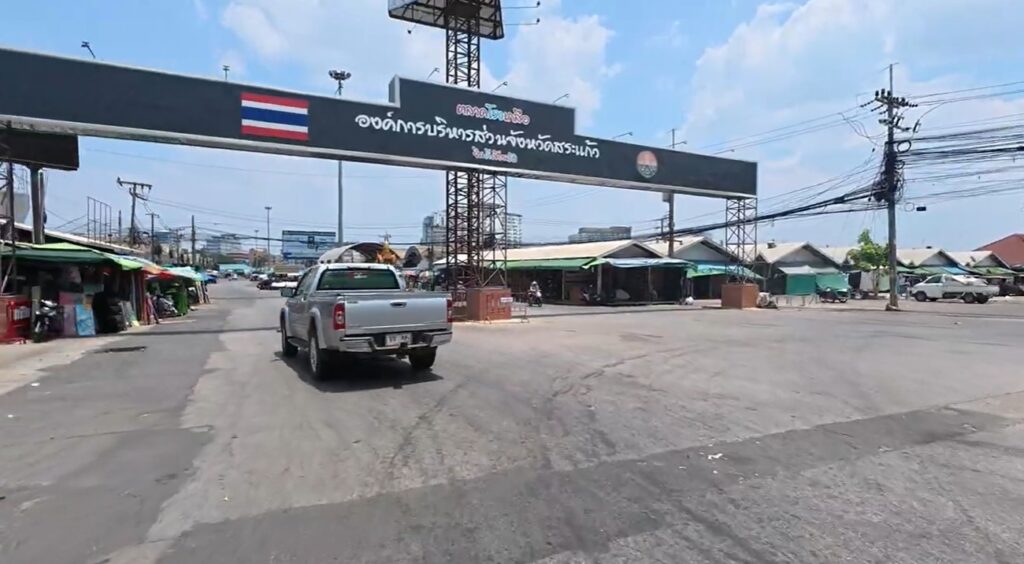
As I approached Ban Khlong Luek, long rows of commercial buildings began to appear along the road.
This was once one of the busiest border areas between Thailand and Cambodia. Traders carried goods across the frontier, workers moved between shops and warehouses, and motorcycles and carts filled the streets from morning until evening.
The border was not merely a line dividing two countries.
For many people, it was their workplace, their marketplace, and the foundation of their family’s daily life.
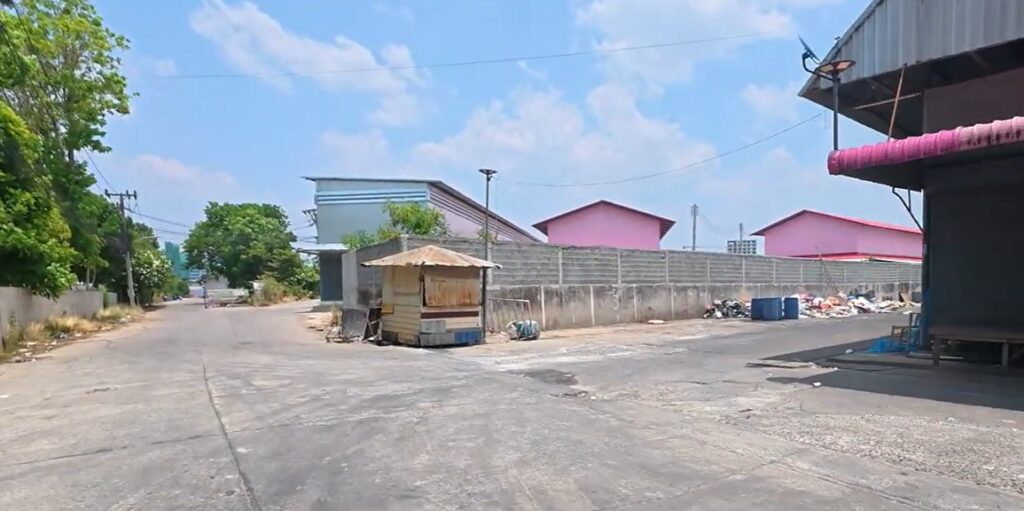
But the road before me looked strangely different.
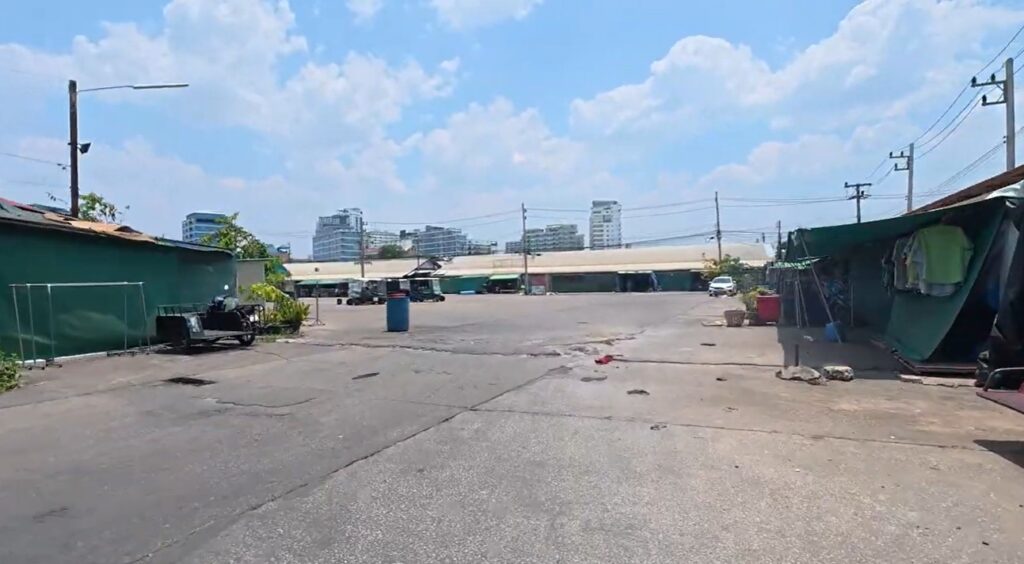
The buildings were still standing, yet many doors were closed. Wide streets that had once carried constant traffic now felt unusually empty.
The closer I came to the market, the more the silence began to feel unnatural.
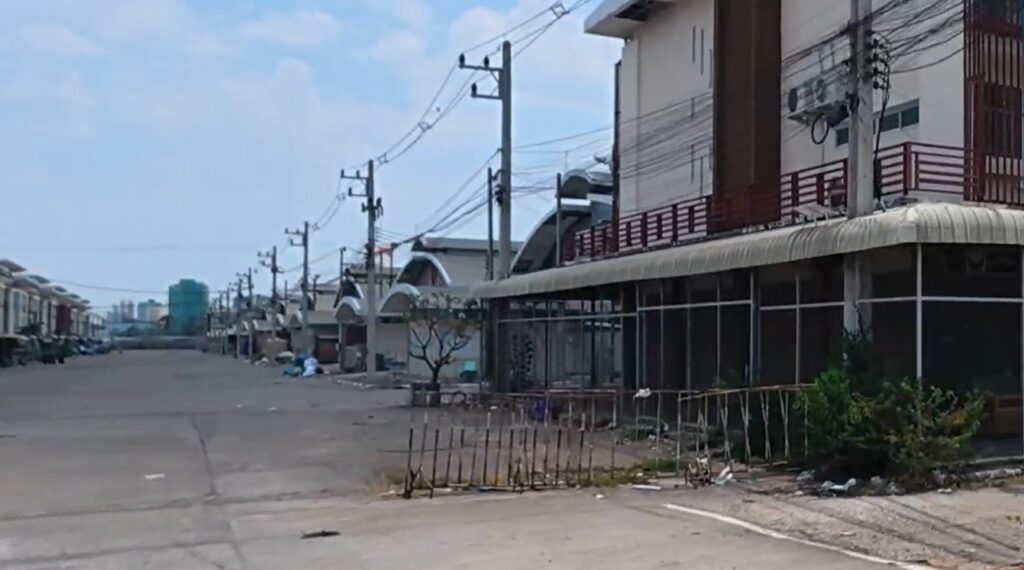
Long rows of commercial buildings began to appear along the road.
Where Did Everyone Go?
When I entered Ban Khlong Luek Border Market, the silence felt even heavier.
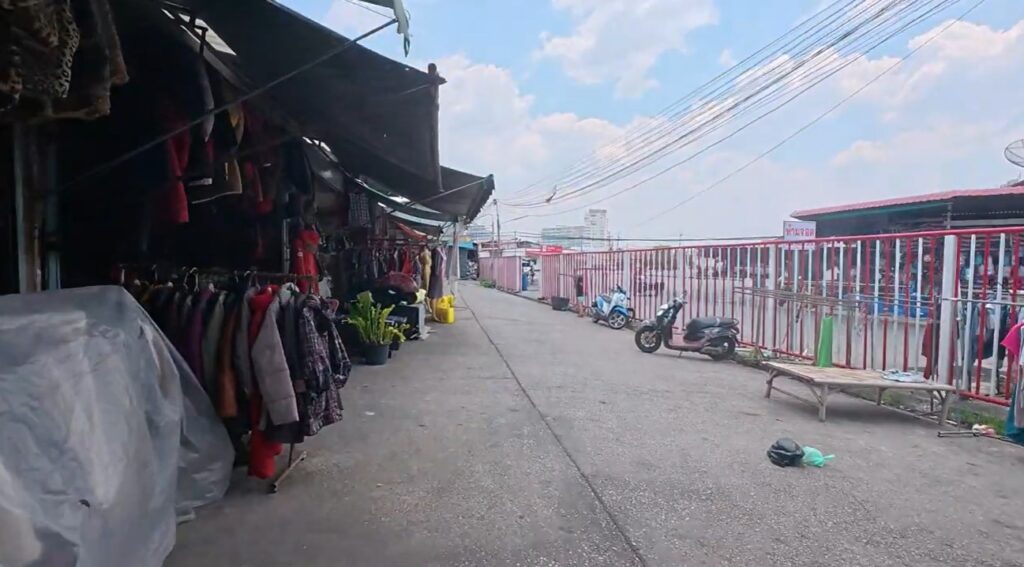
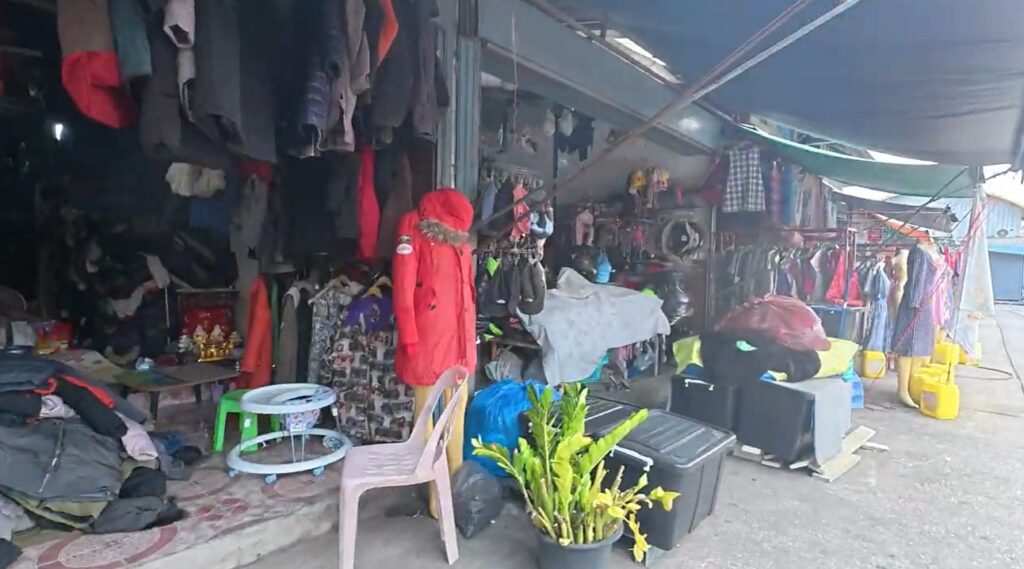
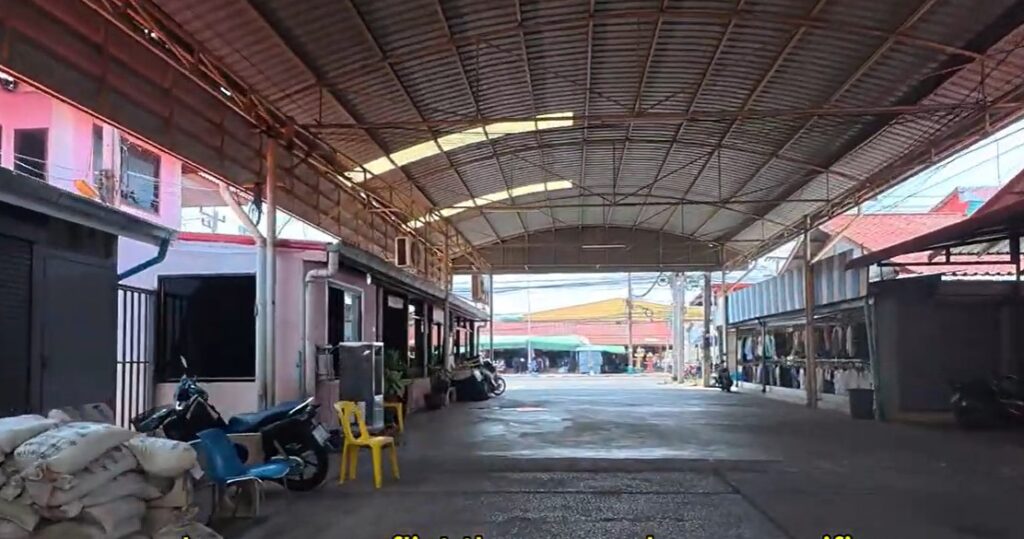
The long covered walkways were still there. Clothes hung in front of small shops, empty carts remained beside closed shutters, and signs of daily business could still be seen everywhere.
But the crowds were gone.
I remembered this place as a market overflowing with people—traders calling to customers, workers carrying goods, motorcycles squeezing through narrow lanes, and families earning enough to survive another day.
Now, only a few people remained in the vast space.
I stopped and looked down the empty passage.
Where had everyone gone?
Had they returned to distant villages? Had they crossed the border in search of safer work? Or were they waiting somewhere, hoping that one day they could return to the shops and streets that had supported their families?
The market was not completely abandoned, but the emptiness made the absence of those people impossible to ignore.
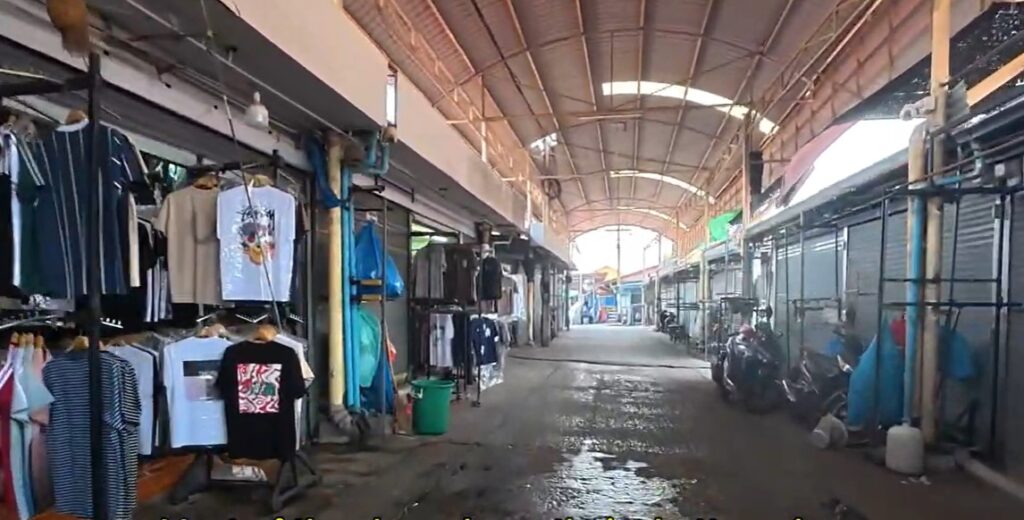
The Human Cost of a Border Conflict
A national conflict is often described through maps, checkpoints, military positions, and political statements.
But standing inside the quiet market, those words felt far removed from the lives of ordinary people.
Behind every closed stall was someone who had once opened it early in the morning. Behind every empty shop was a family that depended on its income. There were parents paying school fees, workers sending money home, and children waiting for dinner at the end of the day.
When conflict reaches a border town, it does not destroy only buildings or trade routes.
It breaks routines, separates families, removes jobs, and turns familiar places into uncertain ground.
The people who suffer most are rarely the ones who make the decisions.
They are the shopkeepers, laborers, drivers, mothers, fathers, and children whose lives are suddenly forced to change.
Looking at the silent rows of stalls, I could not stop thinking about them.
They all had homes.
They all had families.
And somewhere beyond this empty market, they were trying to begin again.
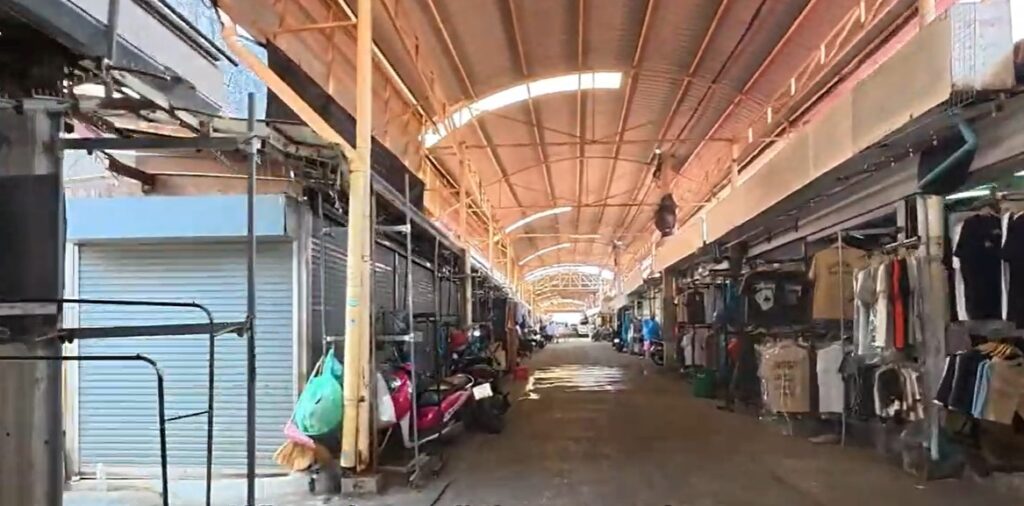
A Few Lives Remaining in the Silence
The market was not entirely empty.
Here and there, a few people still sat beside small shops or gathered in the shade. They spoke quietly, watched the road, and continued with whatever part of ordinary life remained possible.
Their presence made the silence feel even more painful.
These were not figures in a political story. They were people trying to protect their livelihoods, care for their families, and endure a situation they had not created.
Perhaps some were waiting for customers who no longer came. Perhaps others were hoping the border would become active again and the familiar rhythm of the market would return.
I passed them slowly on my motorcycle.
There was nothing meaningful I could say and nothing I could do to restore what had been lost.
I could only look at their faces and wonder how long a person can continue waiting when tomorrow has become uncertain.
Thai Cambodian Border Riding with a Heavy Heart
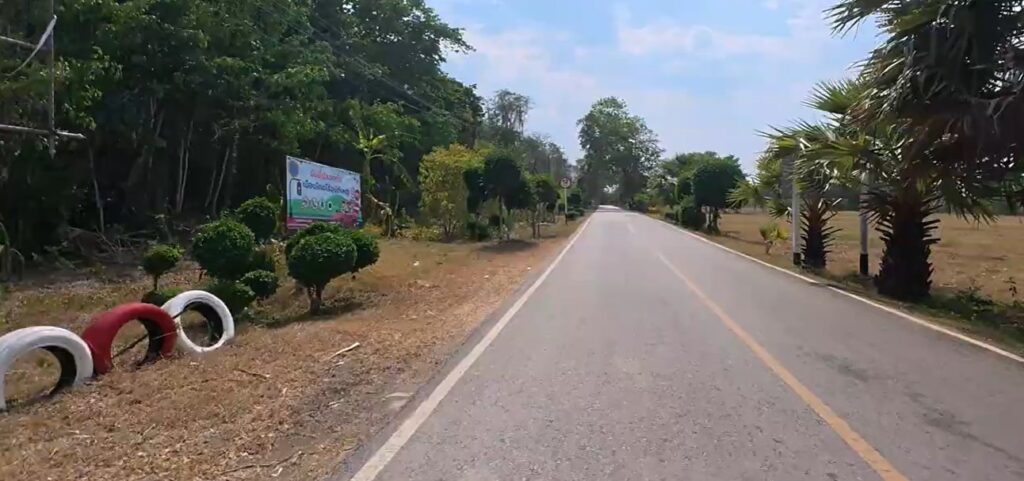
I left Ban Khlong Luek and turned south toward Prasat Khao Noi.
The market slowly disappeared behind me, but the questions remained.
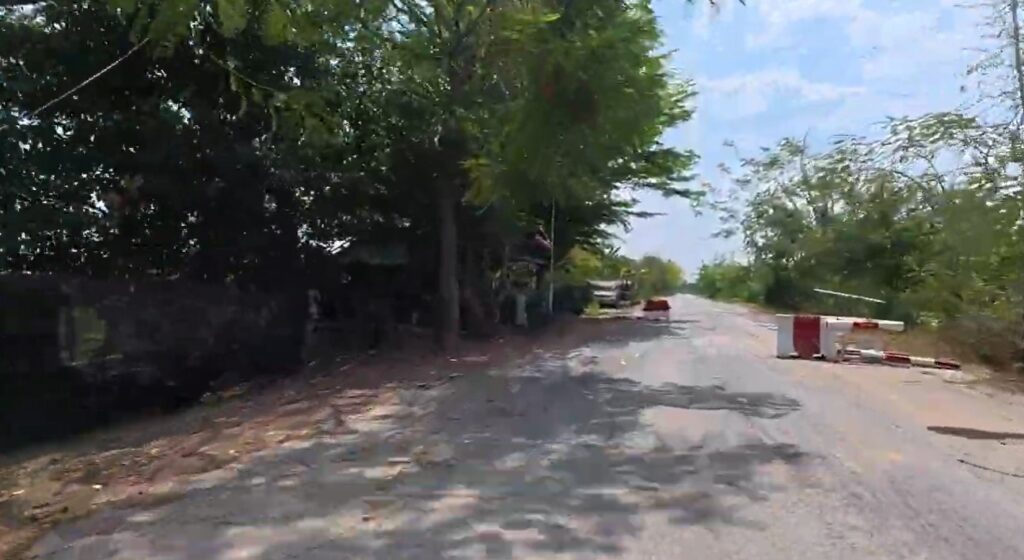
The road became quieter again. Fields opened on both sides, small houses passed by, and the sound of the motorcycle returned to its steady rhythm. Yet the ride no longer felt peaceful in the same way.
I kept thinking about the people who had once filled the market.
Where were they sleeping now? Had they found new work? Were their children still attending school? Were families separated across a border that had suddenly become difficult or dangerous to cross?
A traveler can leave a troubled place simply by turning the motorcycle around.
For the people who live there, it is not so easy.
Their homes, work, memories, and relationships are tied to that land. When conflict enters their lives, they cannot always escape without losing something important.
I rode on with a feeling of helplessness.
The road carried me farther from the border, but it could not carry me away from the emptiness I had seen.
Walking into the Forest of the Past
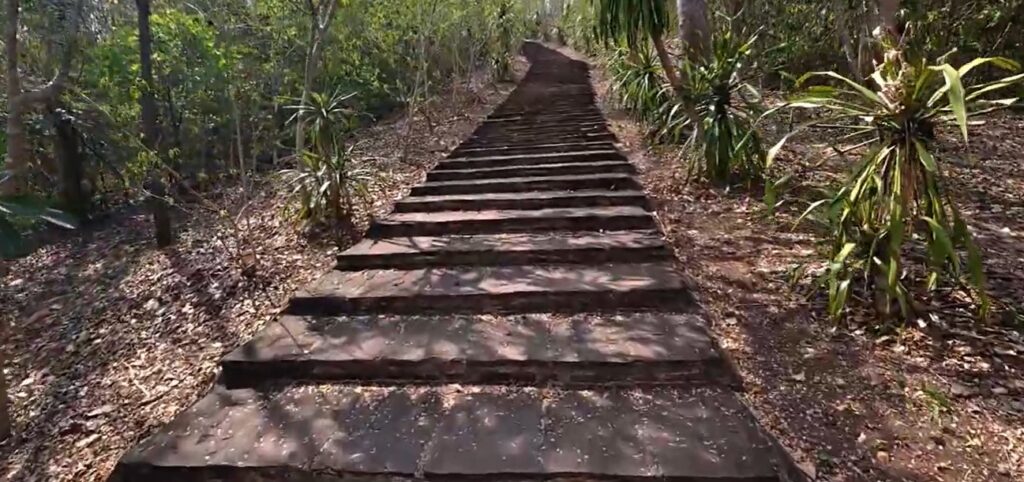
After leaving the border road, I arrived at the foot of Prasat Khao Noi.
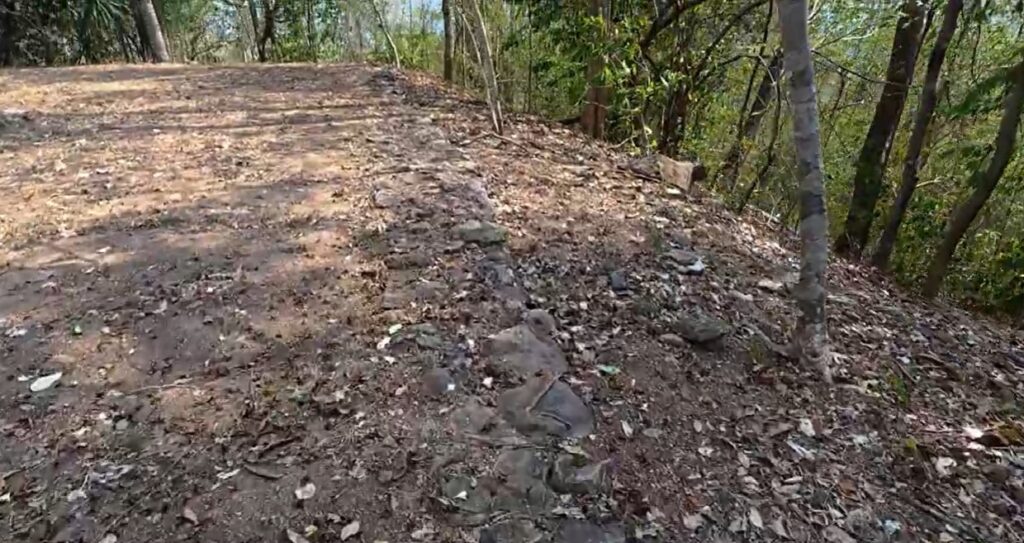
A quiet stairway led upward through the trees. The sounds of the market and the border gradually faded, replaced by wind moving through leaves and the slow rhythm of my footsteps.
It felt as though I were leaving the troubled present behind and entering another age.
For centuries, people had climbed this hill carrying their own hopes, fears, beliefs, and burdens. Rulers had changed, kingdoms had disappeared, and borders had been drawn and redrawn.
Yet the old sanctuary still remained.
As I walked deeper into the forest, the silence felt different from the silence of the empty market.
The market’s silence spoke of interrupted lives.
The forest’s silence spoke of time.
One was filled with absence. The other was filled with memory.
What the Ancient Ruins Whisper
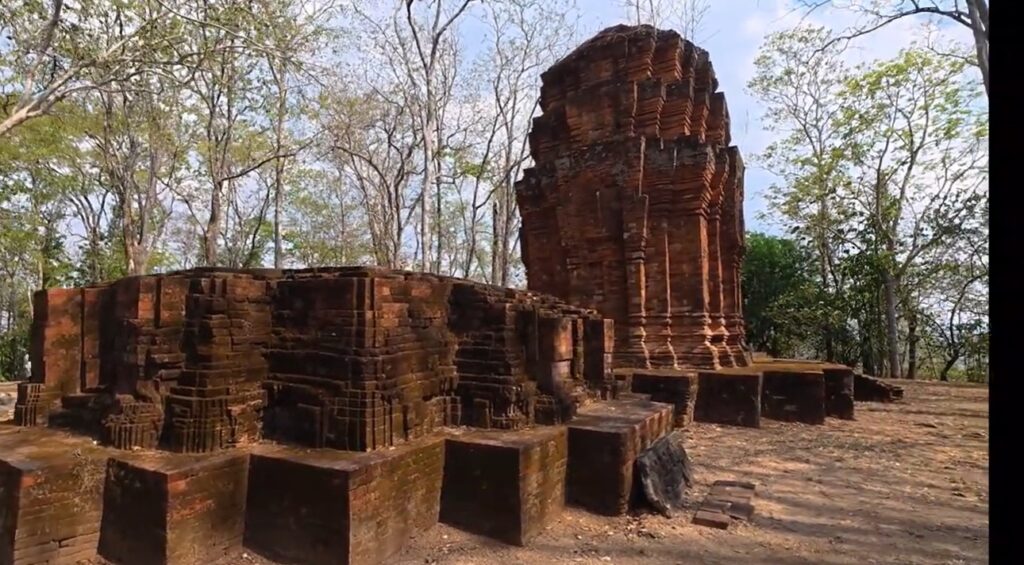
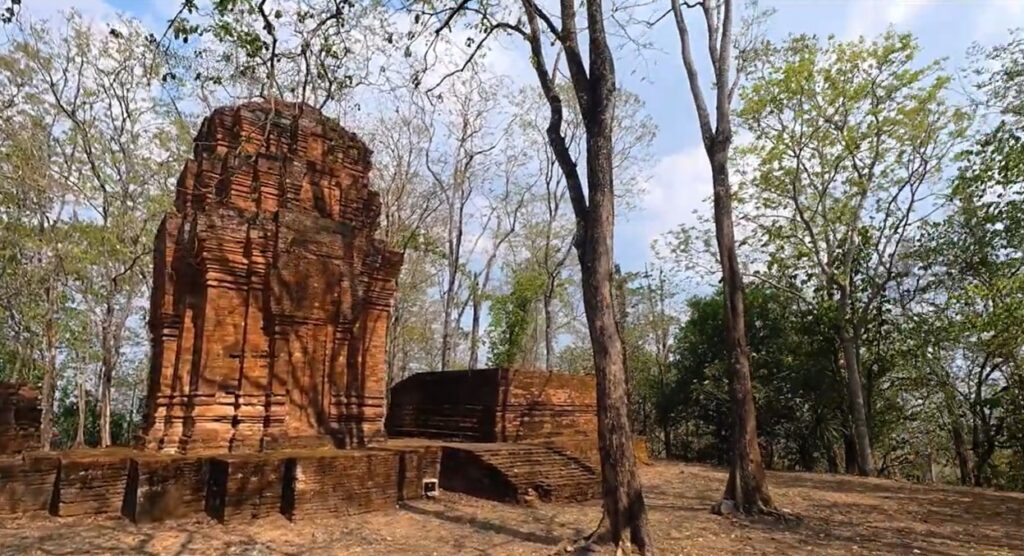
At the top of the hill, the old brick sanctuary of Prasat Khao Noi appeared between the trees.
Its walls were worn, parts of the structure had collapsed, and the people who built it had disappeared centuries ago. Yet the surviving bricks still carried the weight of their faith, labor, ambition, and time.
I stood before the ruins and thought about the empty border market I had just left behind.
Long ago, kingdoms also fought for land, authority, and control. Rulers rose to power, armies crossed frontiers, and people were ordered to defend boundaries that would later change or disappear.
Now, only fragments remained.
The rulers were gone. Their borders were gone. Even many of their names had faded from memory.
But the suffering and effort of ordinary people had become part of the soil beneath my feet.
The ruins seemed to whisper a quiet truth.
No kingdom lasts forever.
No border remains unchanged.
And no human being can truly possess the land for long.
The Meaning of a Human Life
Standing among the ruins, I began to feel the weight of human life more deeply.
People spend their short years building cities, defending borders, seeking power, and trying to leave something permanent behind. Yet time slowly reduces even the strongest kingdoms to broken walls and scattered bricks.
What, then, truly remains?
Perhaps the meaning of life is not found in how much land we control or how large a monument we build.
Perhaps it is found in whether a family can stay together, whether children can grow without fear, and whether ordinary people are allowed to live with dignity.
Behind me was a modern border where lives had been disrupted.
Before me stood the remains of an ancient world that had once believed it would last forever.
Between those two places, I felt how fragile human life truly is.
We come, we struggle, we love, and eventually we disappear.
The land remains.
What matters is not whether we possessed it, but how we treated the people who lived upon it.
What Will We Leave Behind?
Before leaving Prasat Khao Noi, I looked once more at the ancient brick tower standing quietly among the trees.
The people who built it could never have imagined the world that would exist here centuries later. Their kingdom disappeared, their borders changed, and their daily lives became history.
Yet the questions they left behind are still ours.
What do we protect?
What do we destroy?
And what kind of world do we leave for those who come after us?
The empty market at Ban Khlong Luek and the ancient ruins of Prasat Khao Noi seemed to belong to different ages, but they carried the same warning.
A place does not lose its meaning when buildings fall.
It loses its meaning when people can no longer live there with safety, dignity, and hope.
I returned to my motorcycle and prepared to continue the journey.
The ruins slowly disappeared behind the trees, but the silence of the border remained with me.
Perhaps one day the market will fill with voices again.
Perhaps families will return, shops will reopen, and children will once more grow up beside a border that connects people instead of dividing them.
Until then, this Thai Cambodian Border Riding journey will remain in my memory—not simply as a road through Sa Kaeo, but as an experience that made me think more deeply about history, conflict, and the fragile meaning of human life.
Before leaving Prasat Khao Noi, I looked once more at the ancient brick tower standing quietly among the trees.
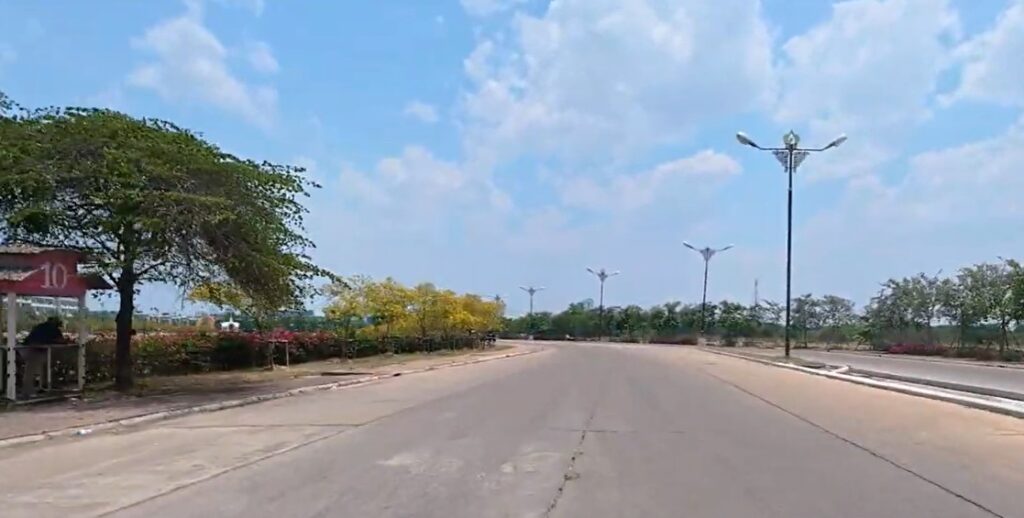
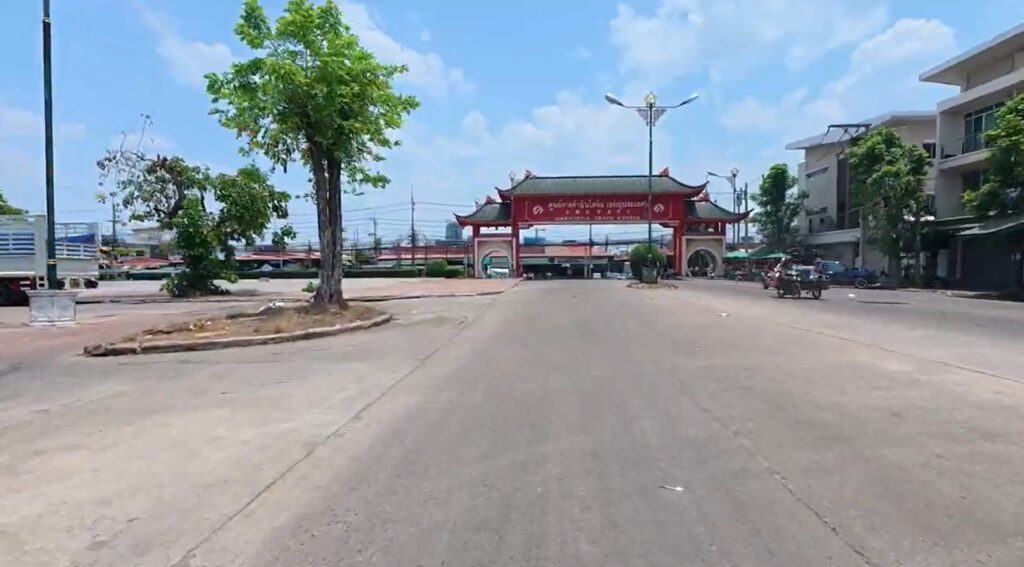
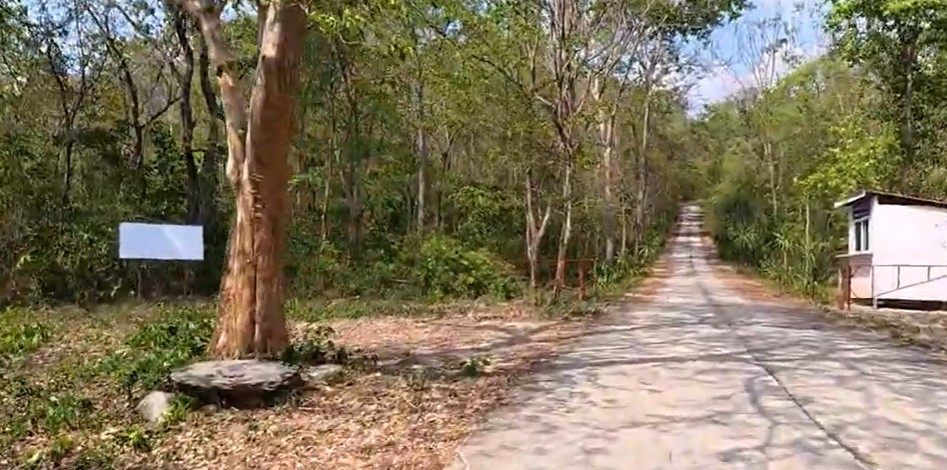
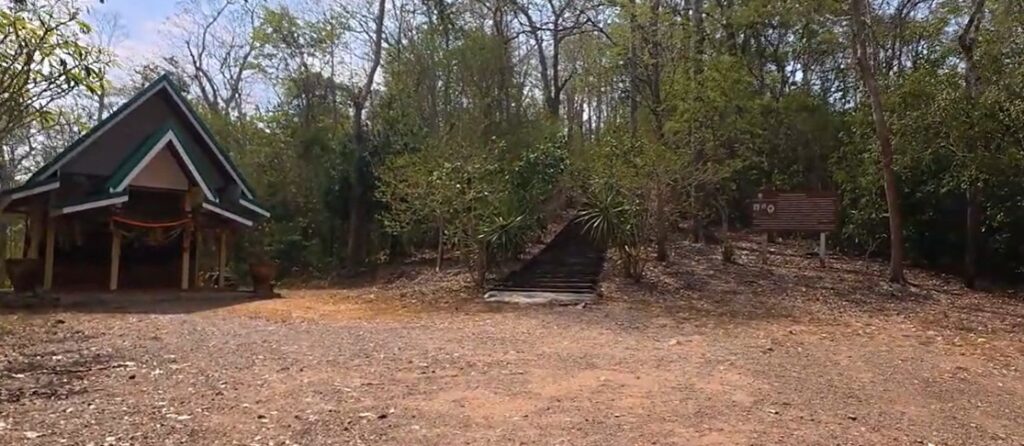
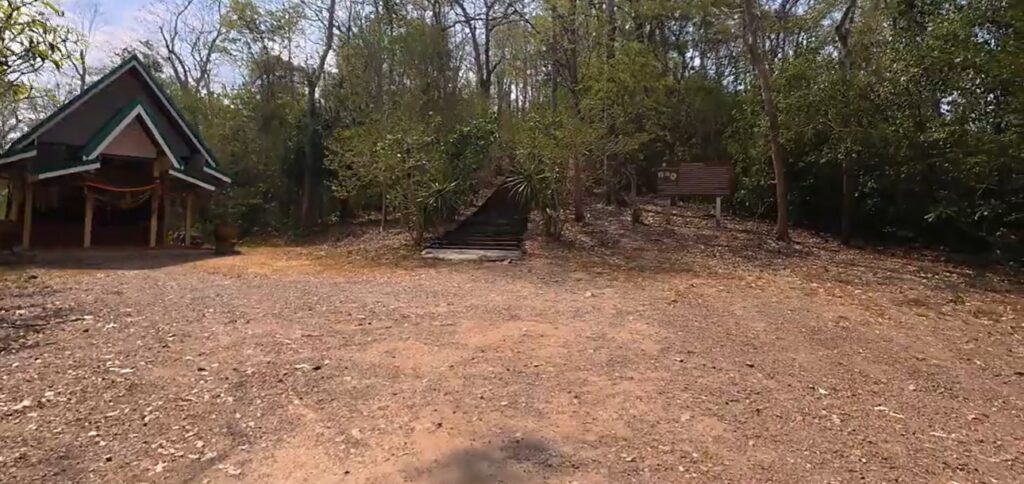
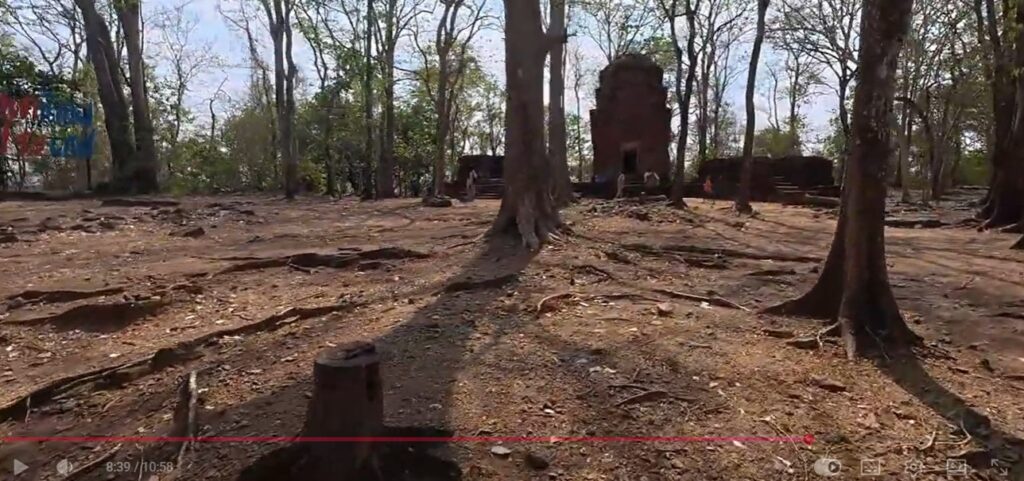
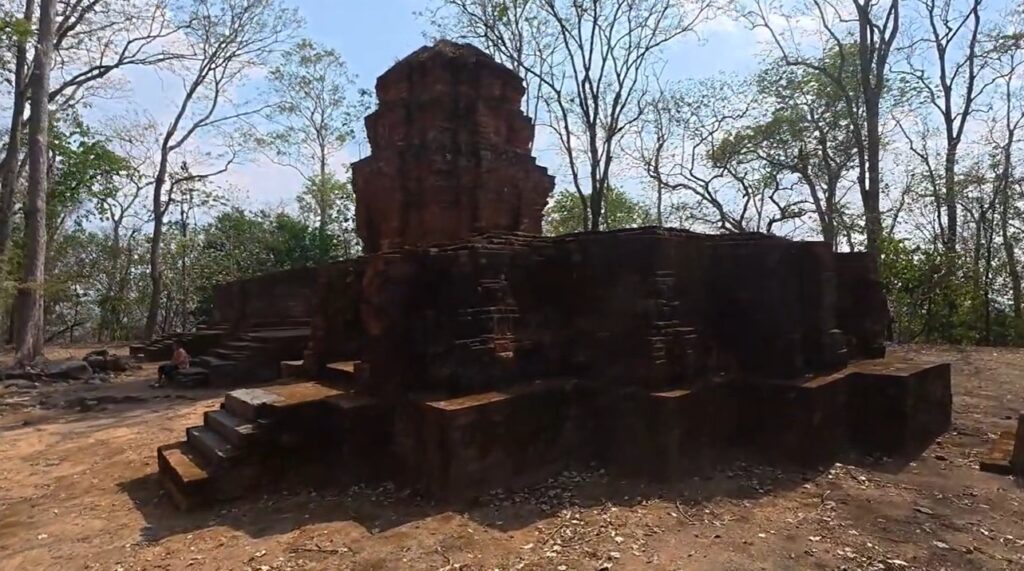
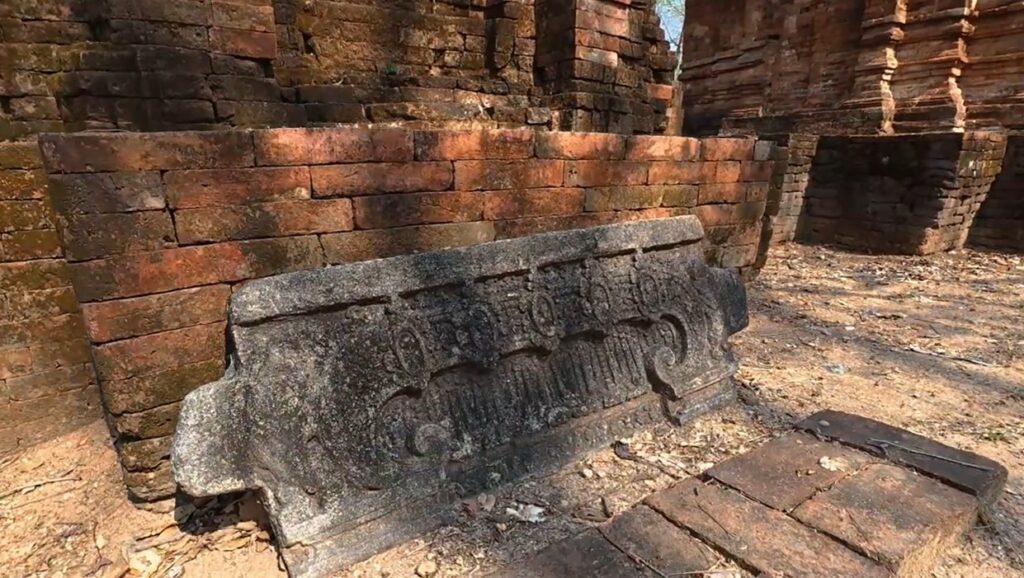
From the quiet streets and empty market lanes of Ban Khlong Luek to the forest path and ancient brick ruins of Prasat Khao Noi, these images follow a journey through disrupted lives, uncertain borders, and the enduring silence of history.
Route and Locations
This journey began at Sadok Kok Thom Historical Park, continued through the border trading area of Ban Khlong Luek, and ended among the ancient ruins of Prasat Khao Noi.
Ban Khlong Luek Border Market
Explore Ban Khlong Luek Border Market on Google Maps
Prasat Khao Noi
Find Prasat Khao Noi on Google Maps