Rayong migration history begins with the river and the sea, the two routes that brought traders, fishermen and migrant families into this coastal town.
Rayong is often introduced through its beaches, seafood, islands, and modern industry. Yet before roads and factories reshaped the province, the river and the sea were its most important paths.
People arrived by boat. Some came to trade, some to fish, and others to search for a place where their families could begin again. They carried only what they could bring across the water: tools, religious beliefs, memories of home, and the hope that an unfamiliar coast might one day become their own.
This ride follows traces of those journeys—from the mouth of the Rayong River to a Chinese shrine, a Muslim mosque and cemetery, and finally the old fishing community beside the lighthouse. It is not a story about one ethnic group or one religion. It is about different people who arrived by the same waterway, settled on the same land, and slowly became part of Rayong.
Beginning the journey at Phra Chedi Klang Nam, where the Rayong River approaches the sea.
The River as a Gateway to Rayong
My journey began near Phra Chedi Klang Nam, standing close to the mouth of the Rayong River. The chedi occupies a small island-like area where the river approaches the Gulf of Thailand, approximately two kilometres south of the city centre. Today it is widely regarded as one of Rayong’s symbols.
I crossed the bridge and entered the broad grounds surrounding the red-and-white structure. Beyond it, quiet waterways disappeared between mangrove trees. The landscape felt peaceful, but it also revealed why this place once mattered so much.
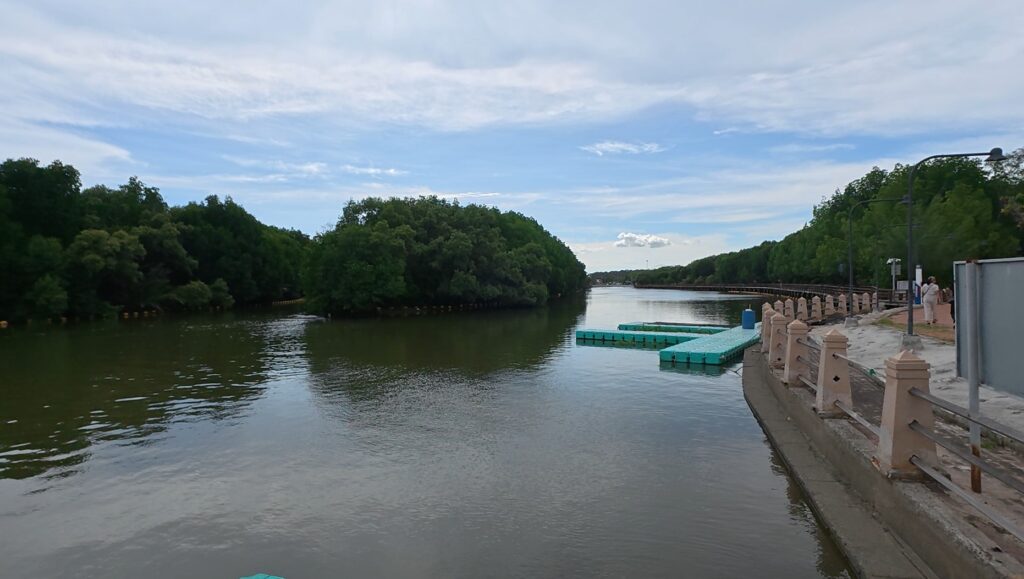
Before modern highways, the river was not simply part of the scenery. It was a route into the town. Boats arriving from the Gulf could follow the water inland, carrying people, goods, news, and customs from distant places.
For sailors approaching Rayong, the chedi eventually became a familiar landmark—a sign that the journey across the sea was nearing its end.
But reaching the river mouth was only the beginning. Those who stepped ashore still had to find work, shelter, and acceptance. Behind every arrival was a personal story: separation from a birthplace, uncertainty about the future, and the difficult decision to make a life in an unfamiliar land.
This river gateway is an essential part of Rayong migration history.
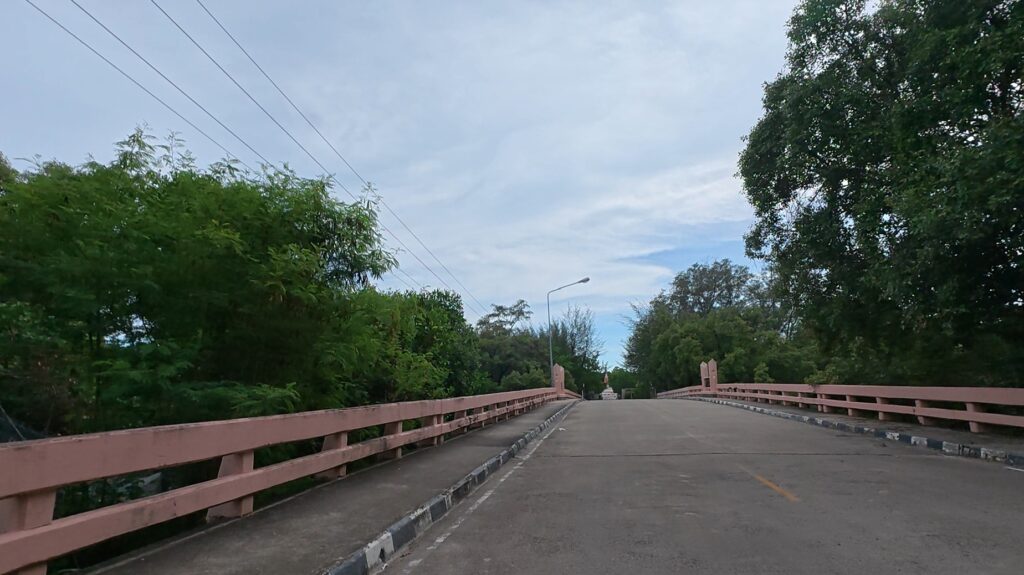
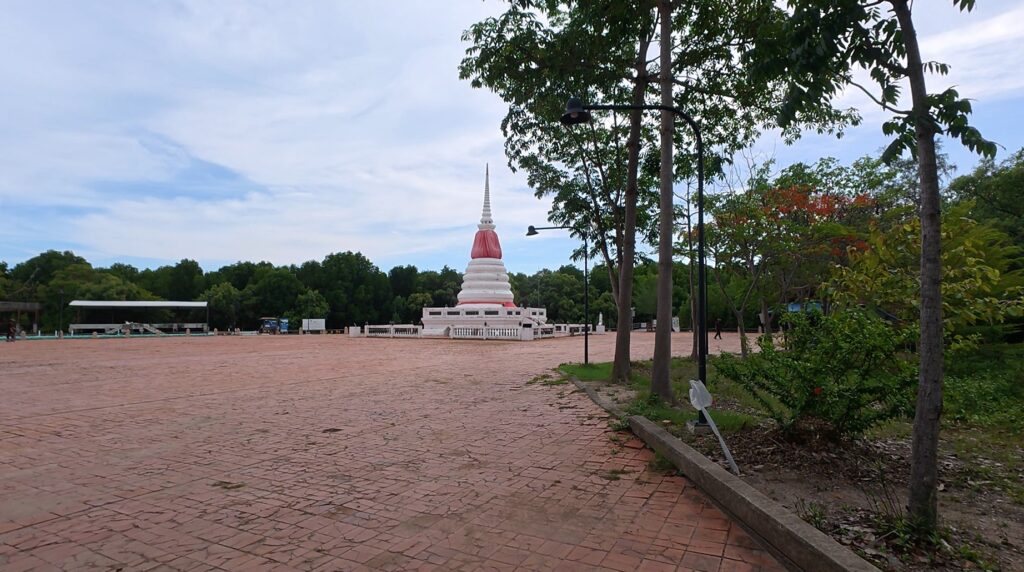
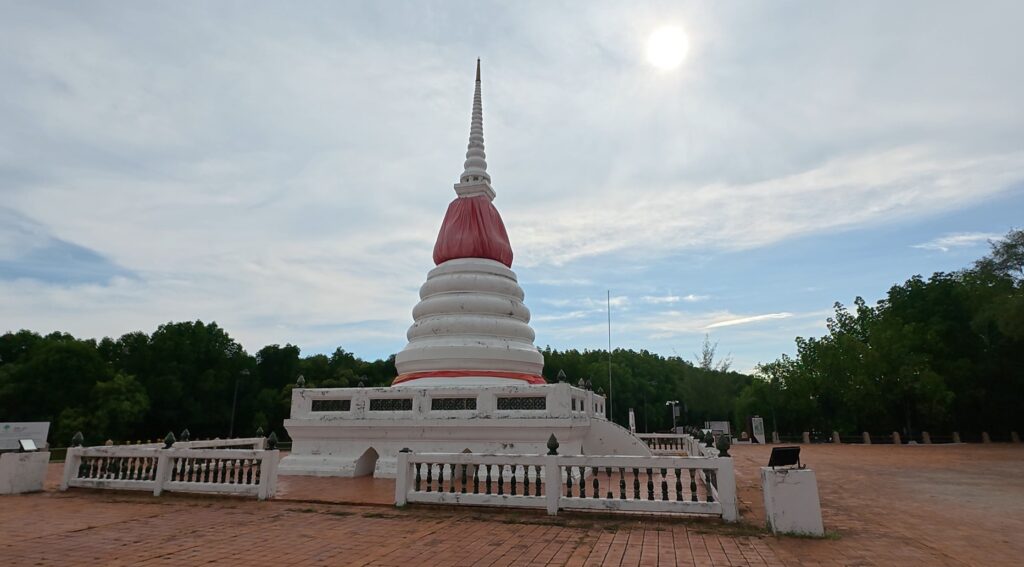
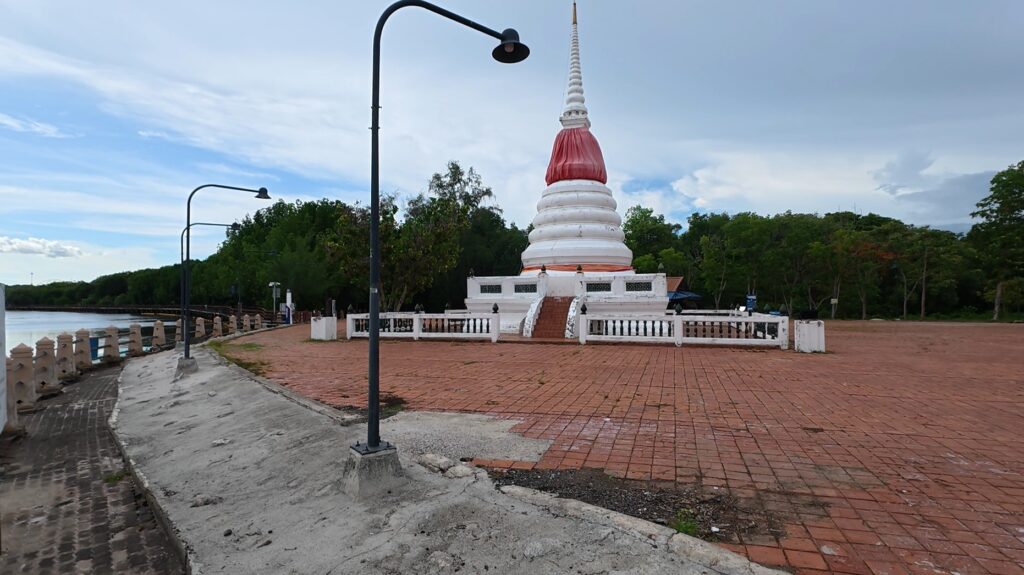
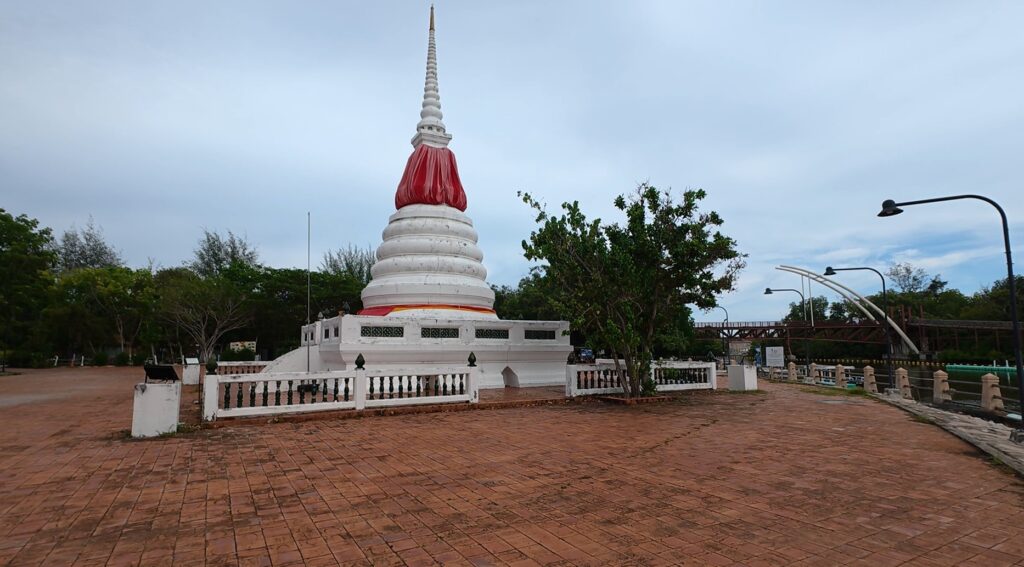
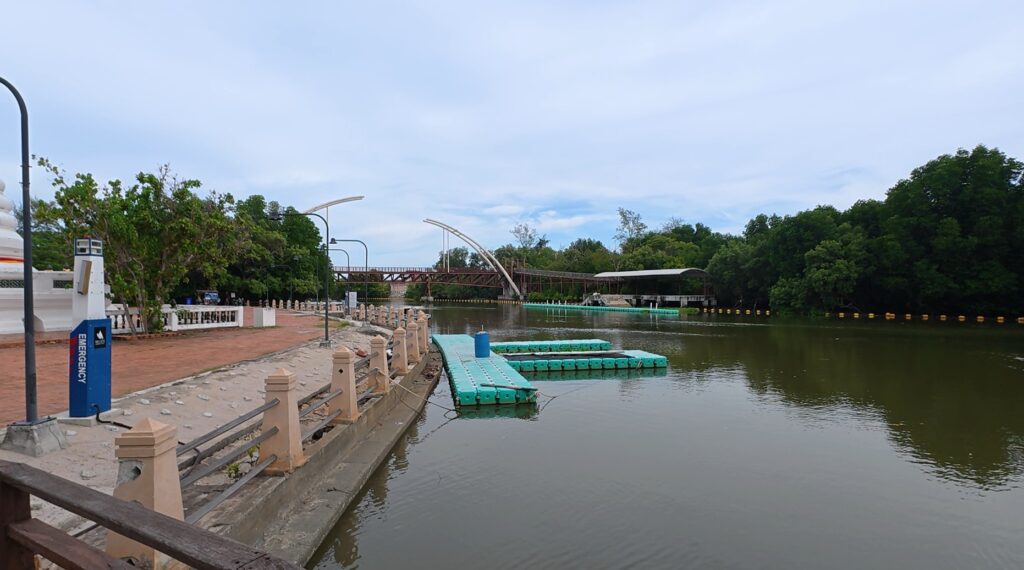
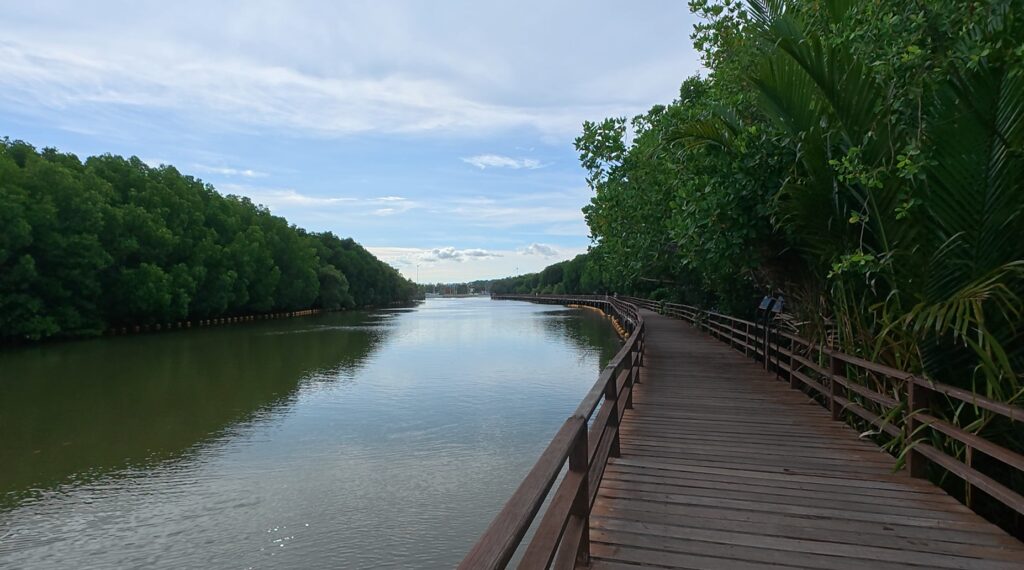
Phra Chedi Klang Nam and the quiet waterways near the mouth of the Rayong River.
Arriving with Memories of Another Home
Migration is often described through dates, trade routes, and population movements. Such records are important, but they rarely tell us what an individual person felt when seeing Rayong for the first time.
Perhaps someone stood on the deck of a small boat, watching the coast grow clearer after days at sea. Perhaps another person arrived with a spouse and young children, wondering whether there would be enough food or work. Some may have planned to remain only briefly, while others already knew there was no home to return to.
They spoke different languages and followed different traditions. Yet they all faced the same practical questions.
Where could they live?
How could they earn money?
Who would help them when they were sick?
Where could they pray?
And where would their children belong?
A settlement does not begin with grand buildings. It begins with ordinary people repairing boats, unloading cargo, selling food, raising children, and helping neighbours through difficult seasons.
Over time, temporary shelters became homes. A group of strangers became a community. The unfamiliar riverbank gradually became a place filled with personal memories.
A Chinese Shrine and a Spiritual Home
The next stop led me through a Chinese-style gate and into a brightly decorated shrine.
Its curved roof, colourful figures, Chinese characters, incense burners, and richly arranged altar created a world different from the quiet mangrove landscape I had just left behind. Yet the shrine was not separated from the story of the river. It was part of what people brought with them when they entered Rayong.
A Chinese shrine in Rayong, preserving the faith and memories carried by earlier migrant communities.
For Chinese migrants, a shrine could serve many purposes. It was a place to ask for protection, honour deities and ancestors, gather during festivals, and meet others who shared the same language or customs.
Most importantly, it offered emotional stability.
A migrant might lose the familiar landscape of home, but prayer allowed that person to maintain a connection with the world left behind. The scent of incense, the sound of ritual, and the image of a familiar deity could make a foreign place feel less distant and frightening.
The people who built and maintained such shrines were not merely preserving old customs. They were creating a new centre of belonging.
Their children may have grown up speaking Thai and living as people of Rayong. Later generations may no longer have remembered the village from which their ancestors departed. Still, the shrine remained—a quiet reminder that their family story had once crossed the sea.
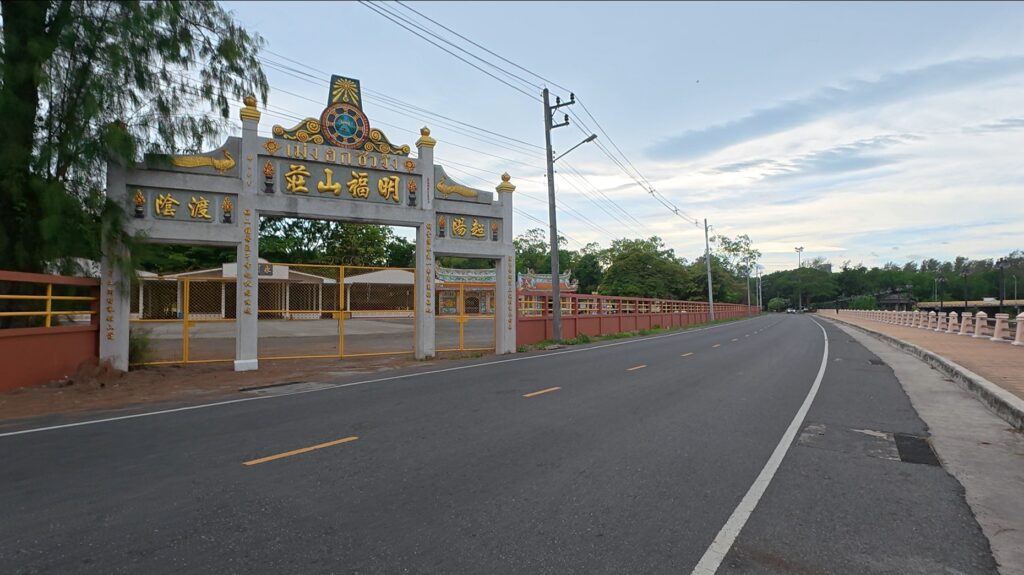
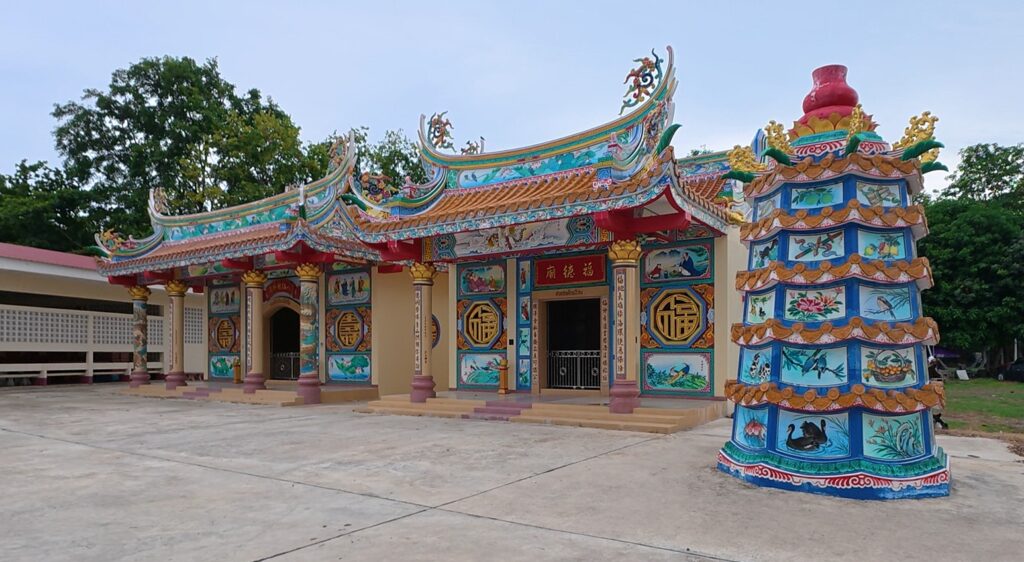
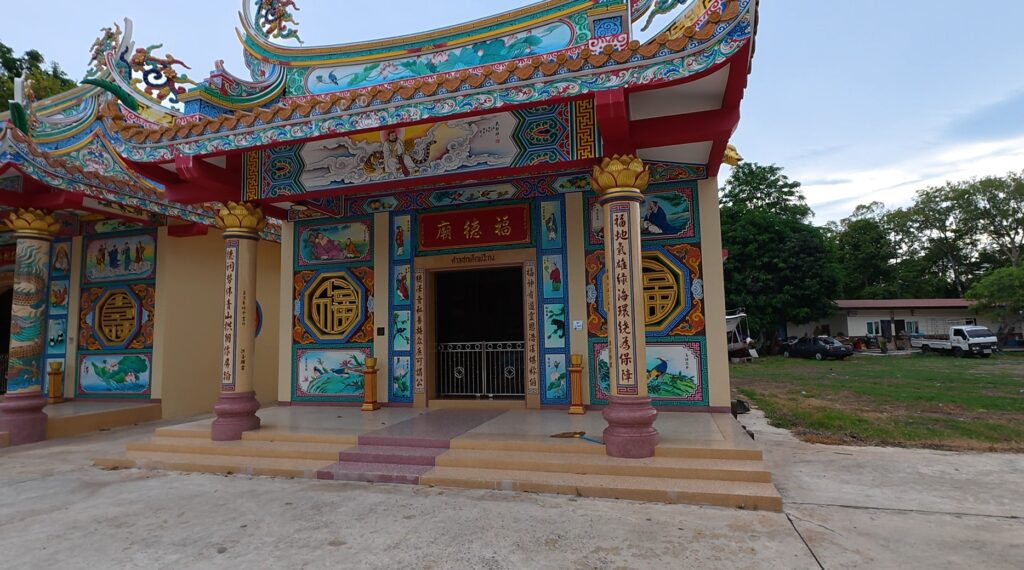
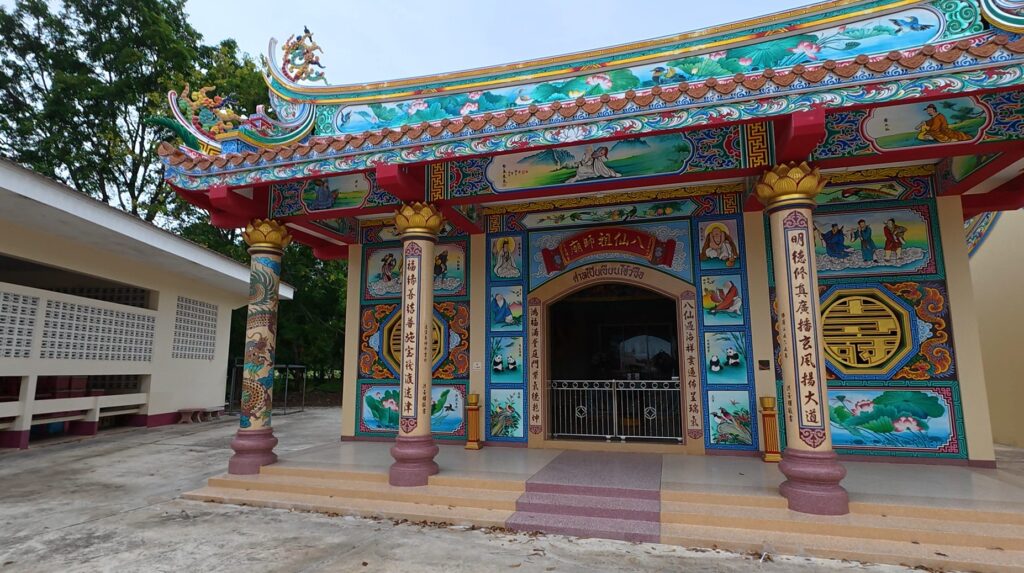
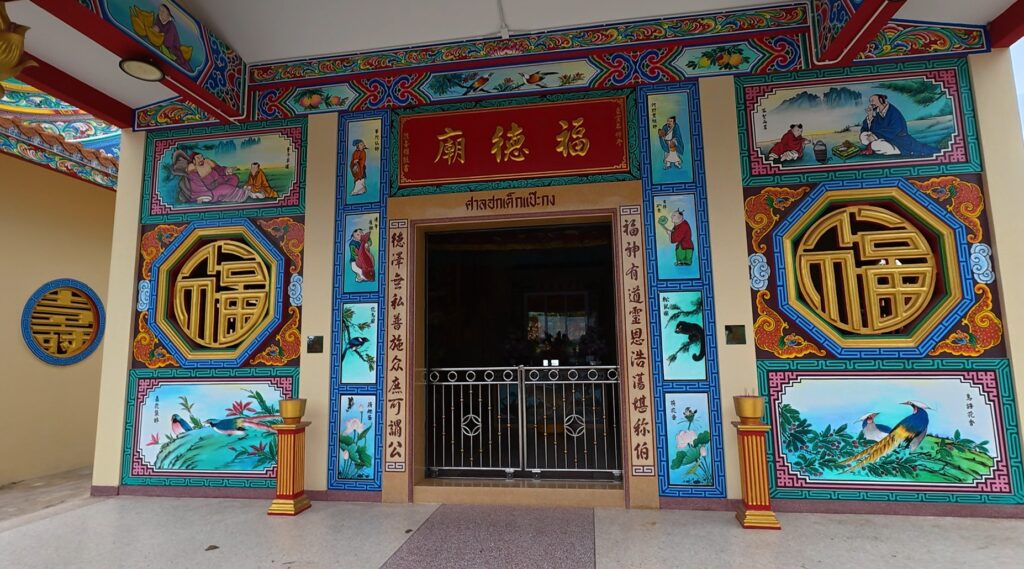
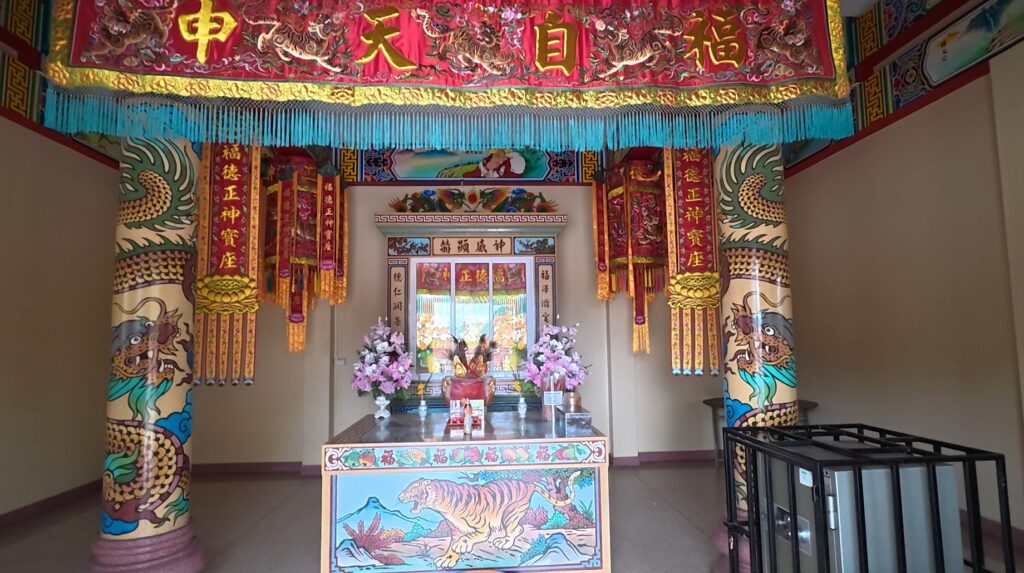
The Chinese shrine reflects how migrant communities preserved faith, identity and a sense of belonging in Rayong.
Different Prayers Beside the Same River
Not far away, the journey reached another religious landscape: an Islamic mosque and Muslim cemetery.
The atmosphere was different from the Chinese shrine. The architecture, symbols, and burial traditions belonged to another faith and another community. Yet the human needs expressed in this place were remarkably similar.
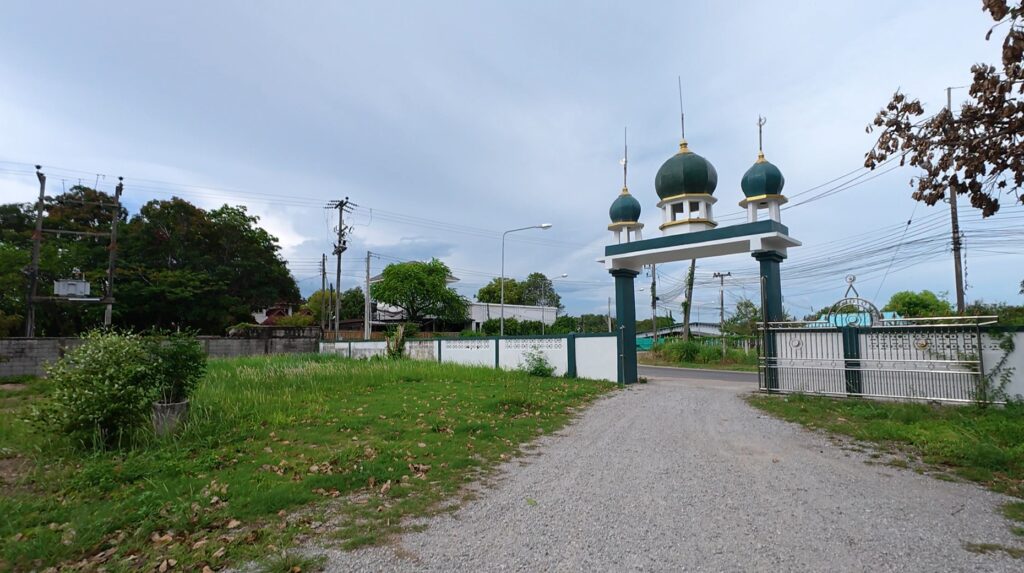
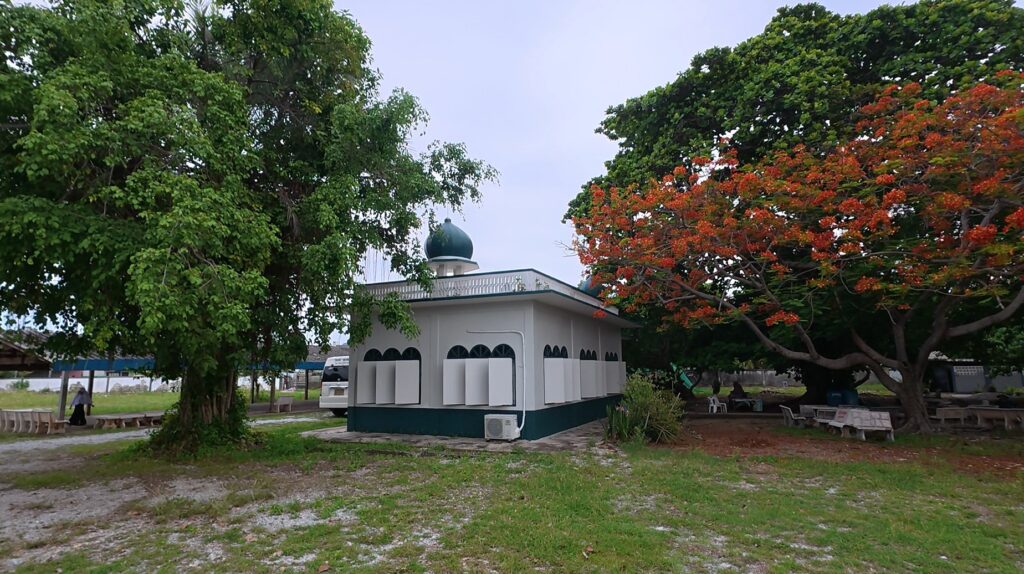
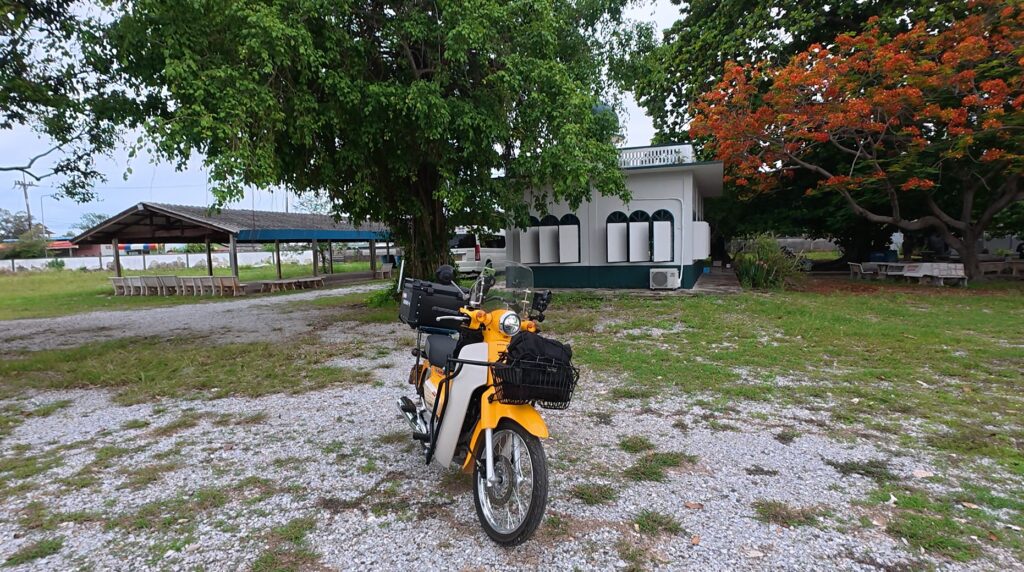
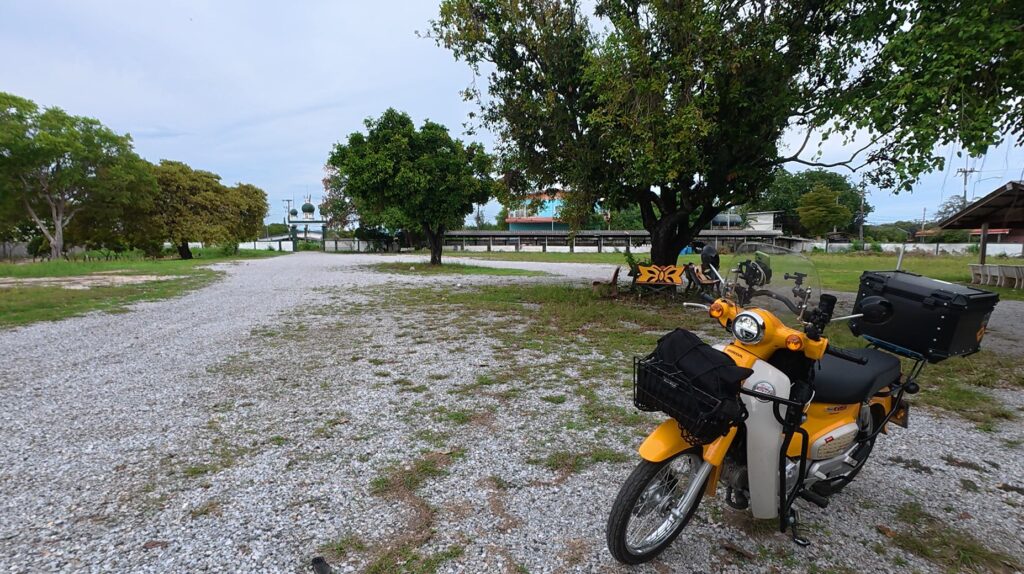
A place of prayer beside a place of rest, showing that Rayong became not only a destination, but a permanent home.
The mosque gave people somewhere to pray together, teach their children, support families, and maintain a shared moral life. Beside it, the cemetery revealed an even deeper form of settlement.
A traveller may pass through a town. A merchant may stay for several seasons. But a cemetery tells us that people remained.
They worked here, loved here, raised families here, grew old here, and finally entrusted their bodies to the soil of Rayong.
The graves do not speak loudly. Many names and personal stories may already be forgotten. Yet their presence carries a powerful message: these people were no longer temporary visitors. Rayong had become their final home.
The Chinese shrine and the Muslim cemetery should not be combined into one immigrant story. They represent distinct communities, beliefs, and histories. But viewed together, they show that coastal Rayong offered space to people from more than one background.
Some arrived carrying Chinese deities and ancestral traditions. Others brought the prayers of Islam. Their languages and rituals differed, but they faced the same sea, depended upon the same river, and tried to build secure lives for those who came after them.
The Ordinary Work of Building a Life
After leaving the religious sites, I returned to the road and rode toward the fishing neighbourhood near the river mouth.
The route passed through narrow lanes lined with modest houses. Laundry hung beside walls, motorcycles stood beneath shaded roofs, and daily life continued without ceremony. Soon the lanes opened toward the harbour, where fishing boats rested along the water.
Riding through Rayong’s old fishing community, where generations built their lives beside the river and the sea.
This was where the history of migration became something tangible.
Communities are not sustained by monuments alone. They survive through work repeated every day: preparing nets, repairing boats, carrying fish, cooking meals, selling goods, and waiting for family members to return from the sea.
There must have been good seasons when boats came back full and difficult seasons when storms or poor catches threatened every household. People borrowed tools, shared information, cared for one another’s children, argued, reconciled, celebrated marriages, and mourned their dead.
They were not famous explorers or powerful officials. Most were ordinary men and women trying to survive.
Yet it was precisely these ordinary lives that shaped Rayong.
Every house built beside the water, every small business opened near the harbour, and every child raised between two cultures added another layer to the town. With each generation, the distinction between newcomer and local became less clear.
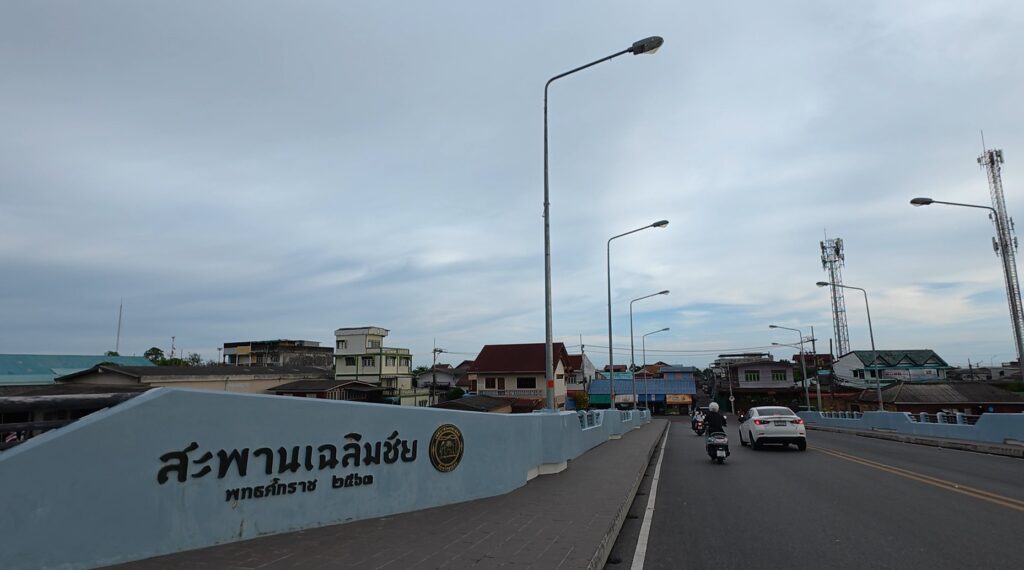
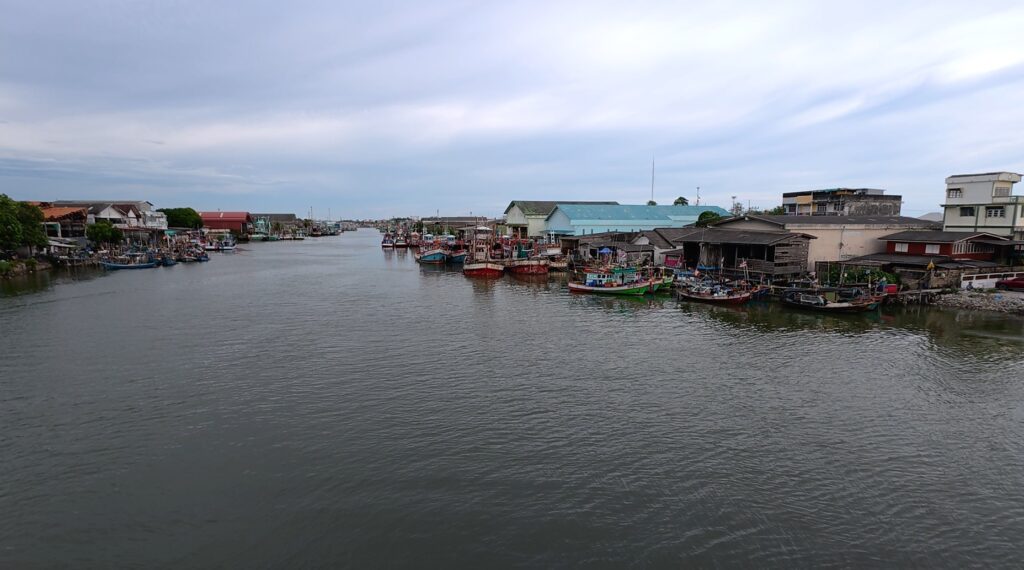
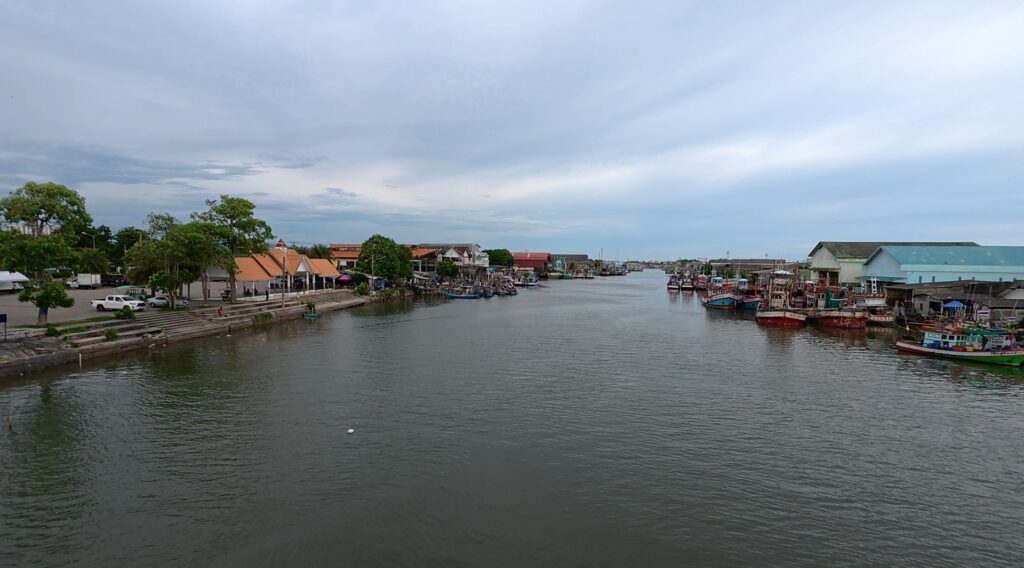
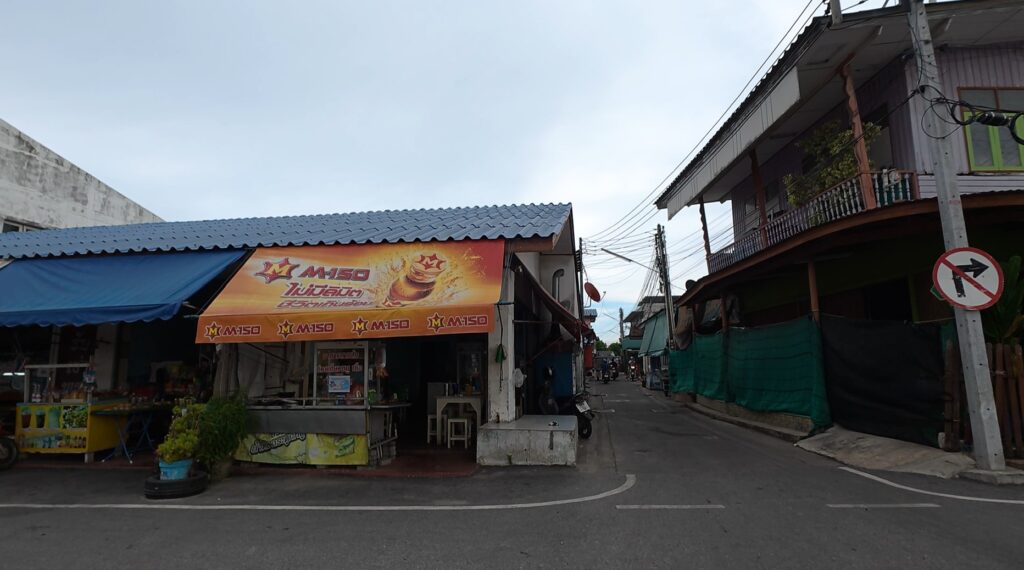
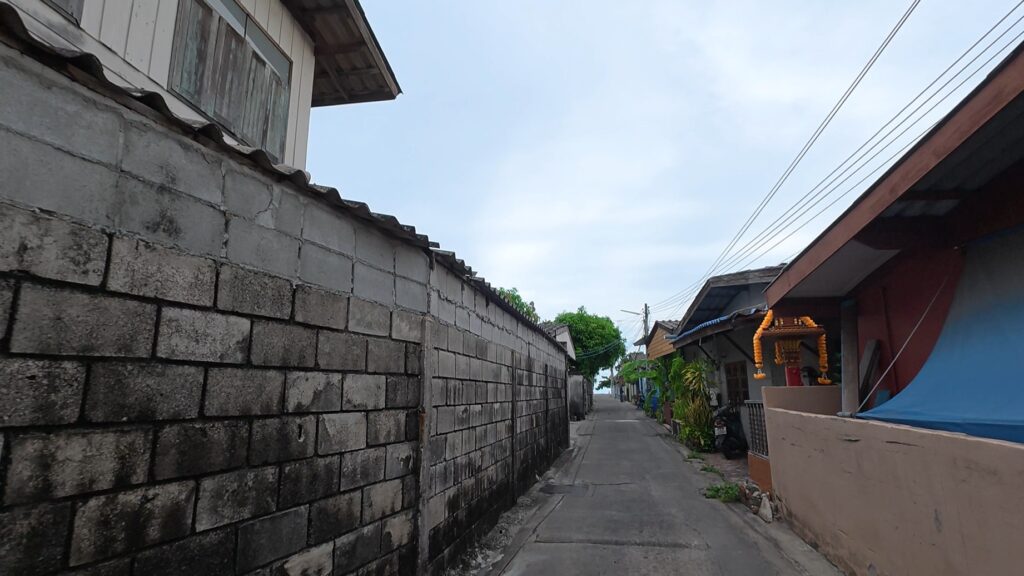
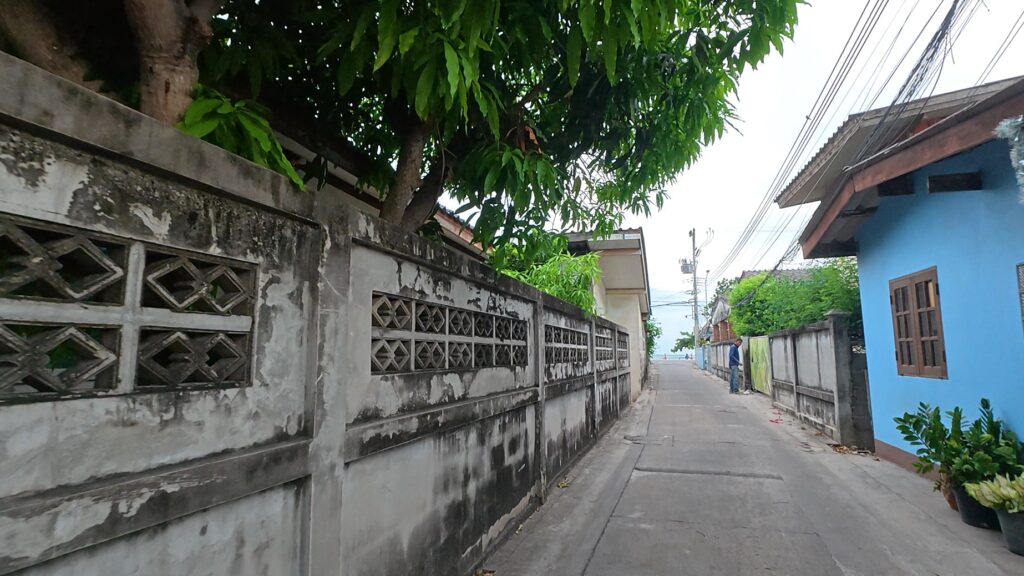
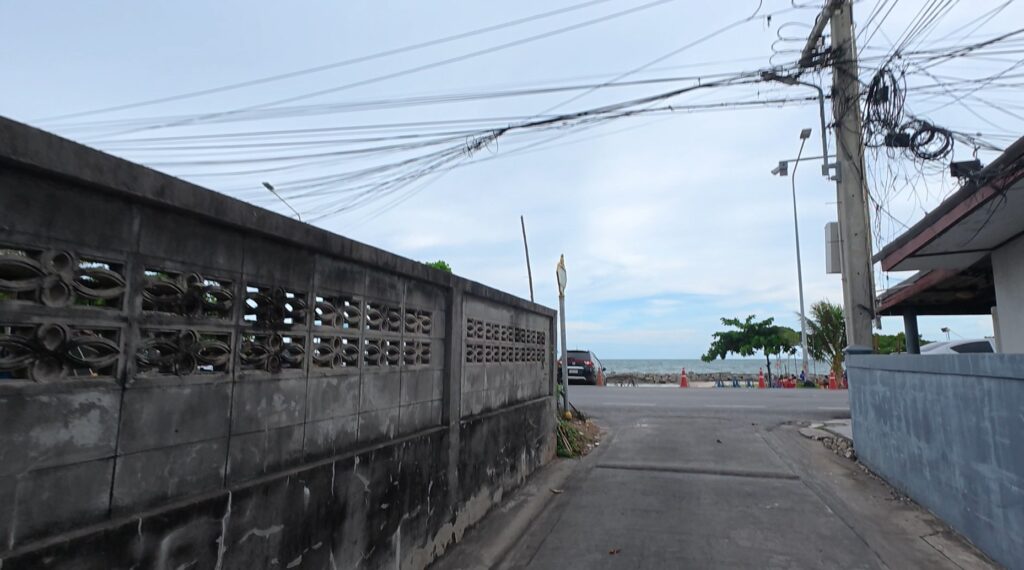
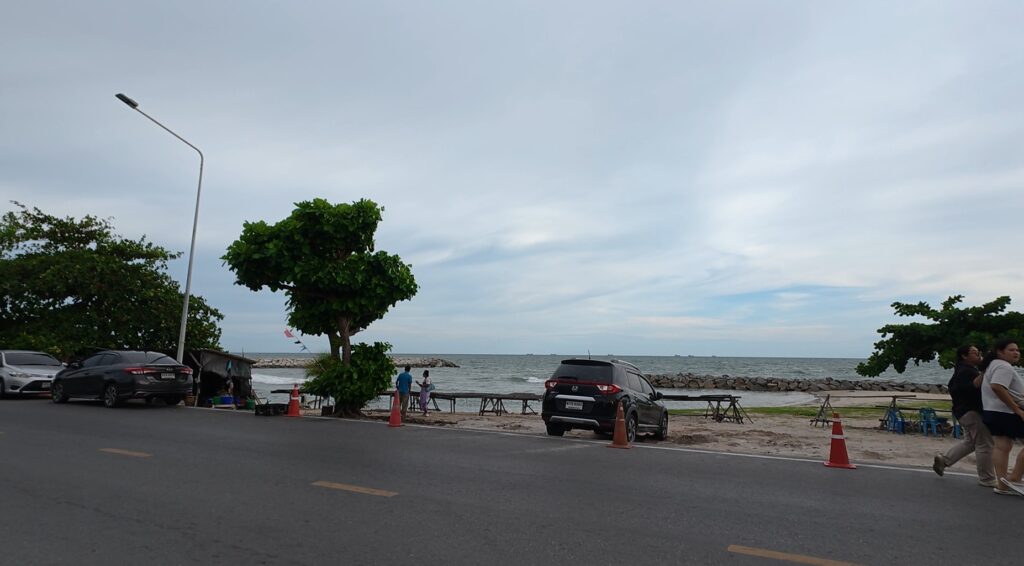
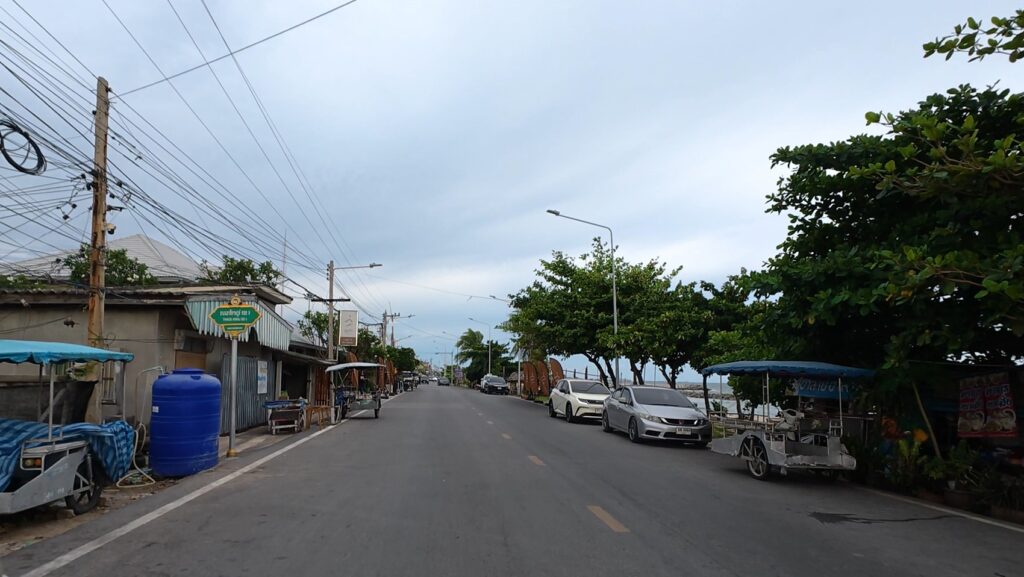
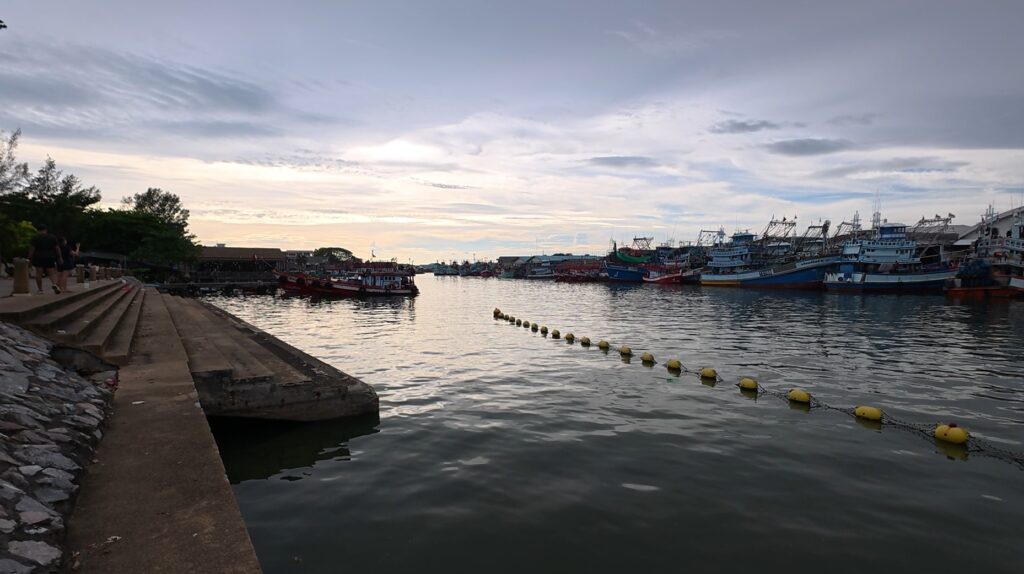
The fishing lanes and harbour of Rayong, where ordinary work turned migrant settlements into lasting communities.
When Migrants Become the People of Rayong
The first generation may have continued to dream of the homeland it had left. The second generation probably grew up between two worlds. By the third or fourth generation, Rayong itself may have become the only home they truly knew.
Customs changed as communities interacted. Languages mixed. Food, beliefs, work practices, and family traditions adapted to new surroundings.
Not everything survived.
Some buildings disappeared. Personal names faded from memory. Old houses were replaced, and younger generations followed different occupations. The arrival stories of many families were never recorded.
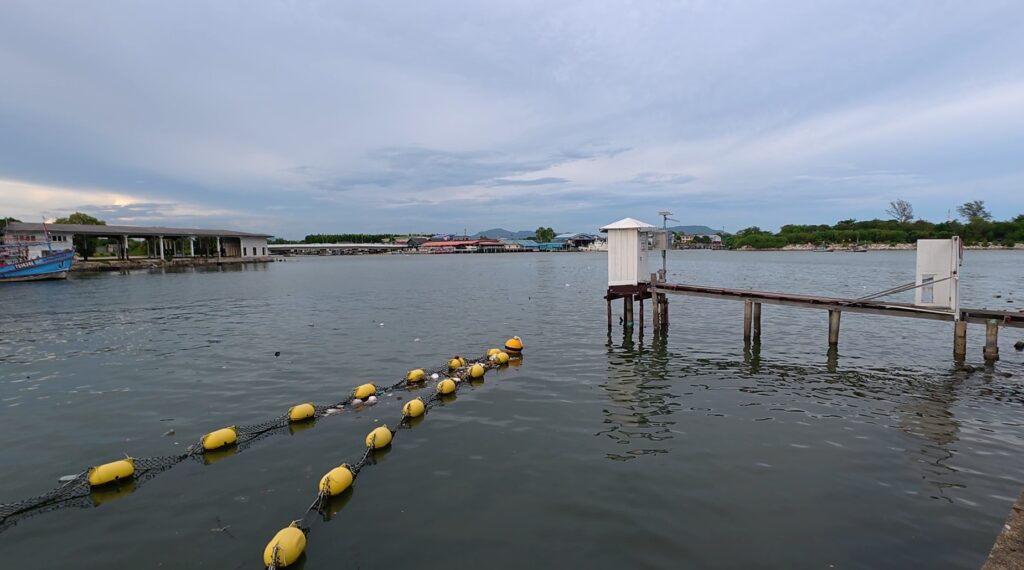
Old migration routes gradually became local traditions, carried forward through work, family and community
But disappearance does not always mean complete loss.
A shrine still cared for, a mosque still used for prayer, a cemetery protected by a community, an old fishing lane, or a harbour tradition passed from parent to child can preserve history without placing it inside a museum.
The inheritance of migration is often hidden within everyday life. People may follow a custom without knowing exactly which ancestor brought it to the coast. They may prepare a family dish, join a religious festival, or use a word that travelled across the sea generations earlier.
The original migrants are gone, but fragments of their lives continue inside the living culture of Rayong.
Their descendants transformed Rayong migration history into the living culture of the province.
Looking Back from the Lighthouse
The final part of the ride led me through the fishing community and toward the lighthouse.
From above, the separate parts of the journey came together. Below were the river, the harbour, fishing boats, breakwaters, houses, and the wide sea beyond them.
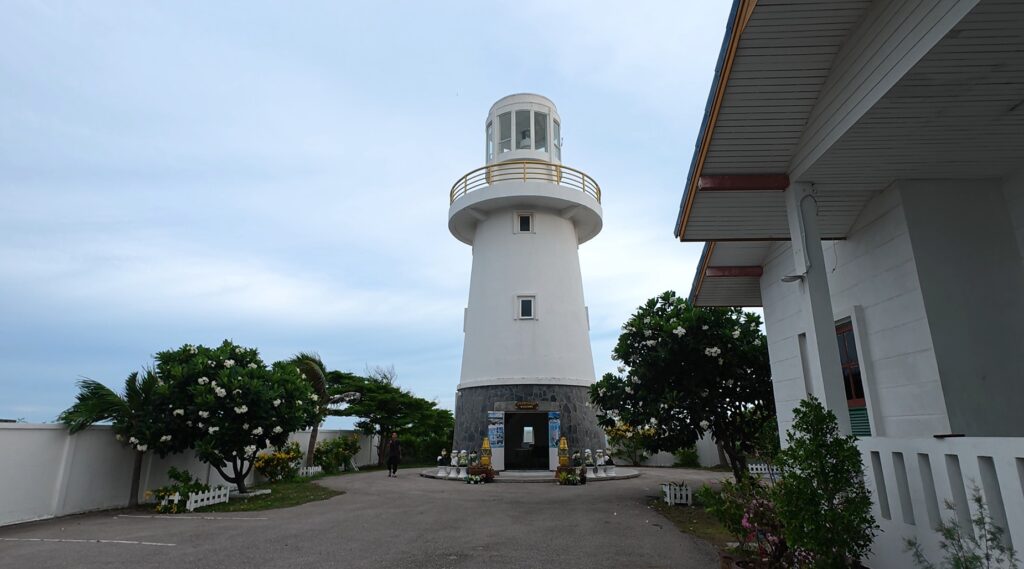
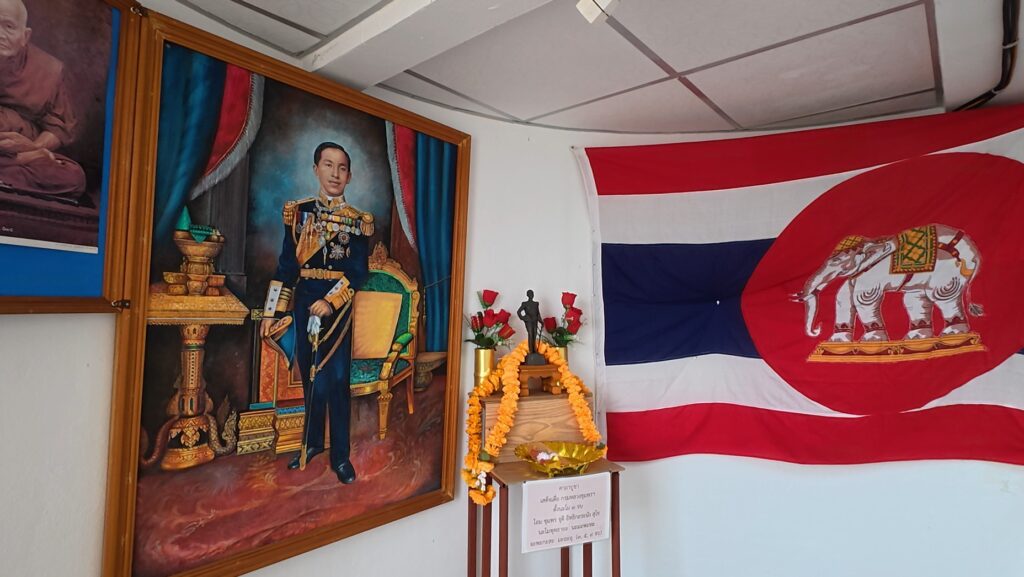
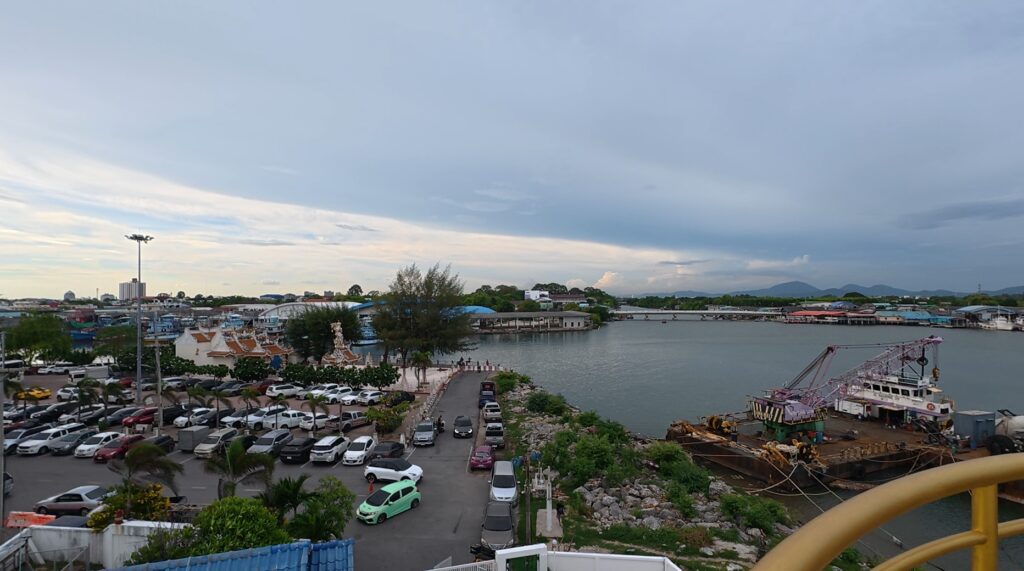
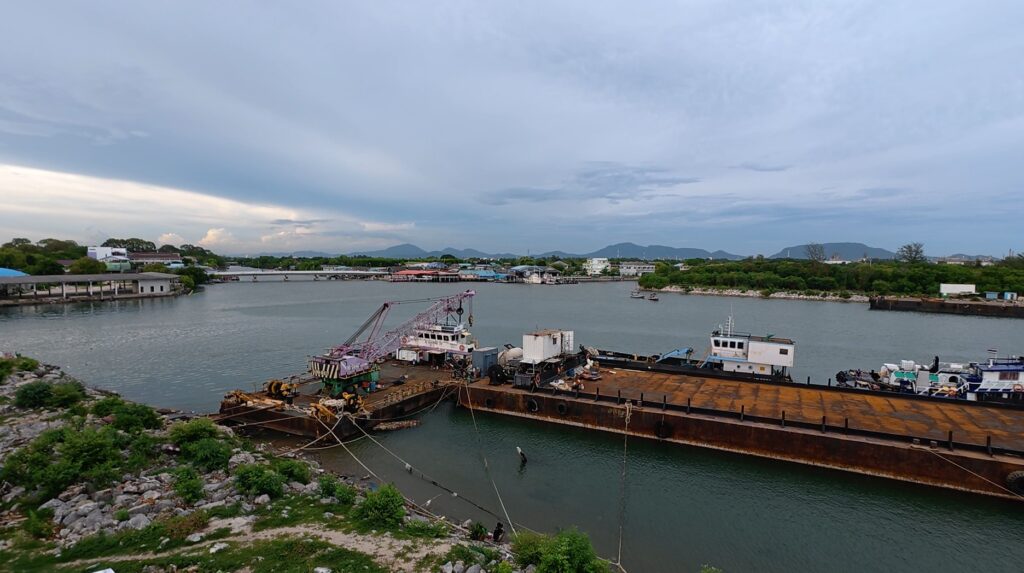
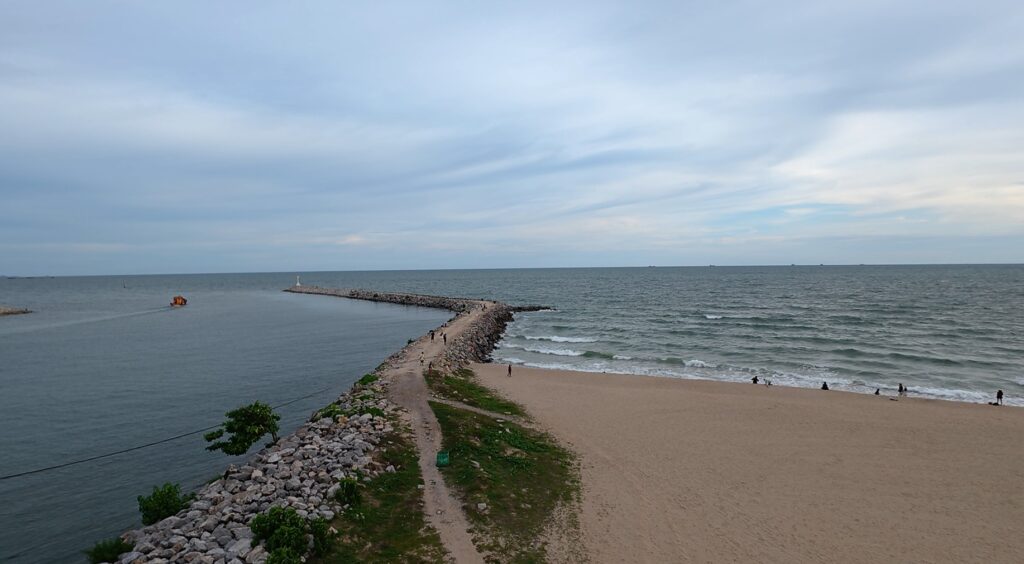
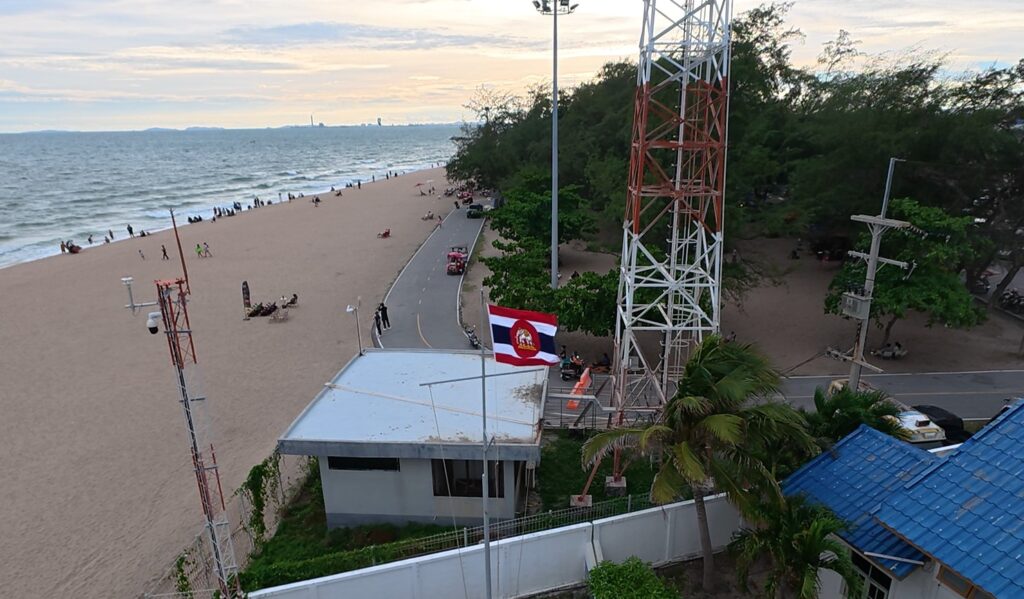
From Rayong Lighthouse, the river, fishing harbour and open sea reveal the route through which generations arrived and built their lives.
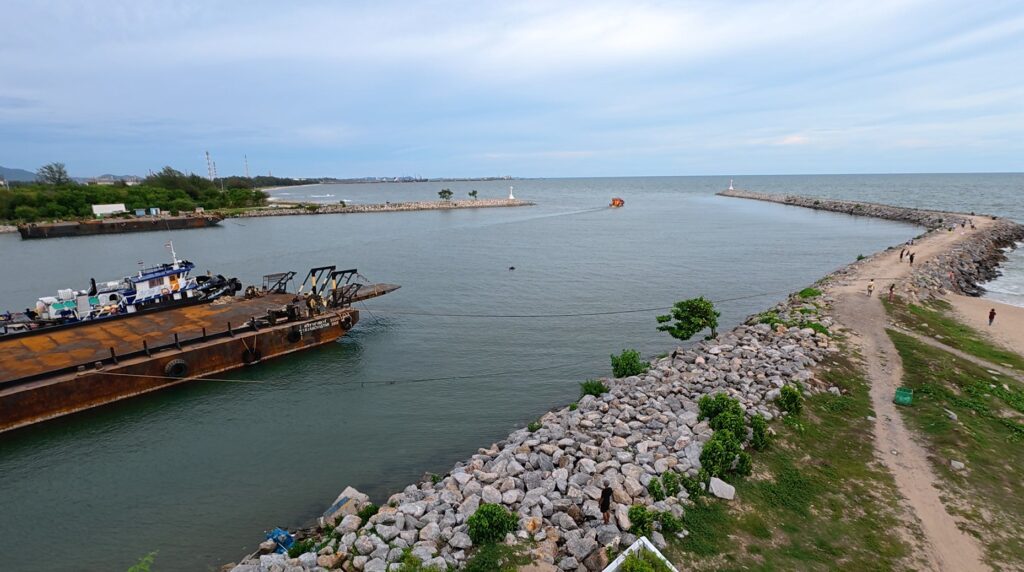
The view made it possible to imagine the direction from which earlier travellers had arrived. The same water that now reflected sunlight once carried boats filled with uncertainty and hope.
From this height, religious and ethnic boundaries could no longer be seen. The Chinese shrine, the Muslim community, the fishing neighbourhood, and the Buddhist chedi all belonged to the same coastal landscape.
The sea did not ask newcomers what language they spoke. The river did not separate one prayer from another. Both simply offered a passage.
People arrived, found work, formed communities, and remained. Some prospered, some struggled, and many disappeared from written history. Eventually they were buried in the land where they had once arrived as strangers.
Their descendants continued living beside the river. What had begun as immigration gradually became local history.
The People Who Remain within the Landscape
When I began this ride, I thought I was visiting several separate places: a riverside chedi, a Chinese shrine, a mosque and cemetery, an old fishing village, and a lighthouse.
By the end, they felt like chapters of one human story.
The river brought people into Rayong. Faith helped them endure separation from their former homes. Work allowed them to remain. Family gave them roots. Burial made their connection to the land permanent. Later generations inherited what they had built, even when the names of the first arrivals were forgotten.
Today, roads and modern buildings dominate much of Rayong. Still, beside the water, quieter evidence remains.
It remains in incense rising from an altar.
It remains in prayers offered inside a mosque.
It remains in graves resting beneath the soil.
It remains in fishing boats returning through the river mouth.
And it remains in families who no longer think of themselves as newcomers, but simply as people of Rayong.
The first migrants eventually disappeared into history.
But the life they began here never completely ended.
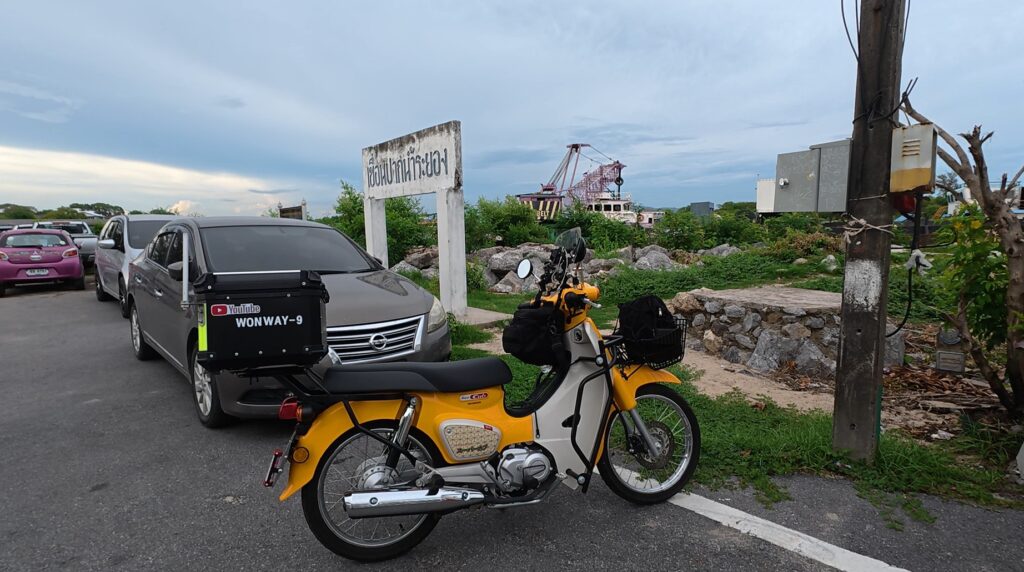
But the life they began here never completely ended.
This journey explores Rayong migration history through the river, religious communities, fishing neighbourhoods and the lighthouse.
Follow the Journey Through Rayong
This ride connects four places that reveal how people entered Rayong, preserved their faith, built communities and remained beside the river and sea.
Phra Chedi Klang Nam
Chinese Shrine in Rayong
Muslim Mosque and Cemetery
Rayong Lighthouse and Fishing Community
Together, these places form a route from arrival and settlement to memory, inheritance and life in present-day Rayong.
Continue Exploring Rayong
Discover another side of the province through the old Chinese immigrant quarter of Yomjinda Road, where trade, family life and cultural memory still remain visibl
Explore the Chinese Heritage of Yomjinda Road
Follow another coastal journey through Rayong’s fishing communities and seaside landscapes.