A Vast Sanctuary Built Across Centuries
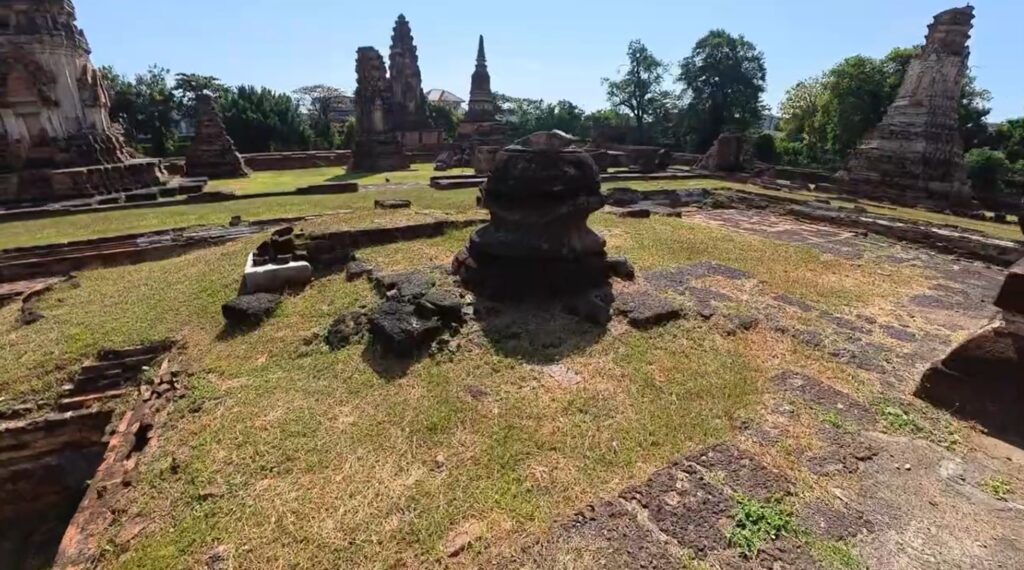
Wat Phra Si Rattana Mahathat Lopburi immediately overwhelmed me with its immense scale.Ancient prangs, ruined halls, brick walls, and scattered foundations stretched across the broad temple grounds, revealing how important this sacred place must once have been.
Yet the most striking discovery was not its size alone. Deep inside the weathered structures, delicate carvings and architectural details still remained. Although centuries had passed and much of the temple had fallen into ruin, some of its reliefs seemed almost alive—as though the craftsmen who created them had only recently stepped away.
A Temple Shaped by Many Eras
Wat Phra Si Rattana Mahathat was not created in a single period. Its architecture reflects centuries of change, from the ancient Lopburi tradition and Khmer influence to later additions made during the Ayutthaya period.
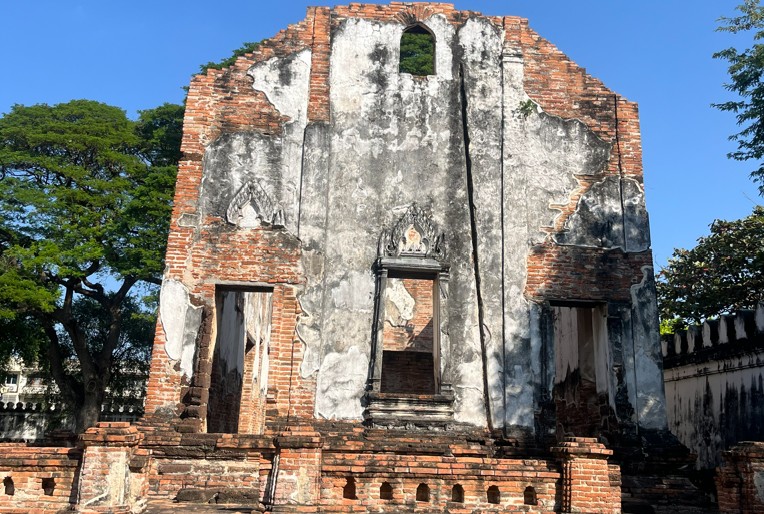
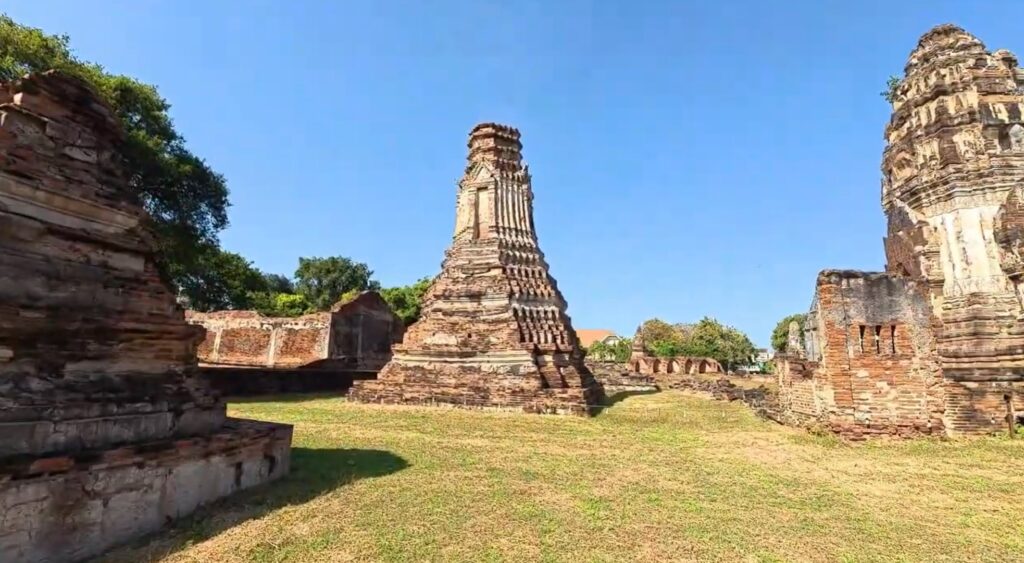
Walking through the grounds, I could see different styles standing beside one another—tall prangs, brick chedis, ruined viharns, and decorative stucco work. Each structure seemed to belong to a different chapter of history, yet together they formed one vast sacred complex.
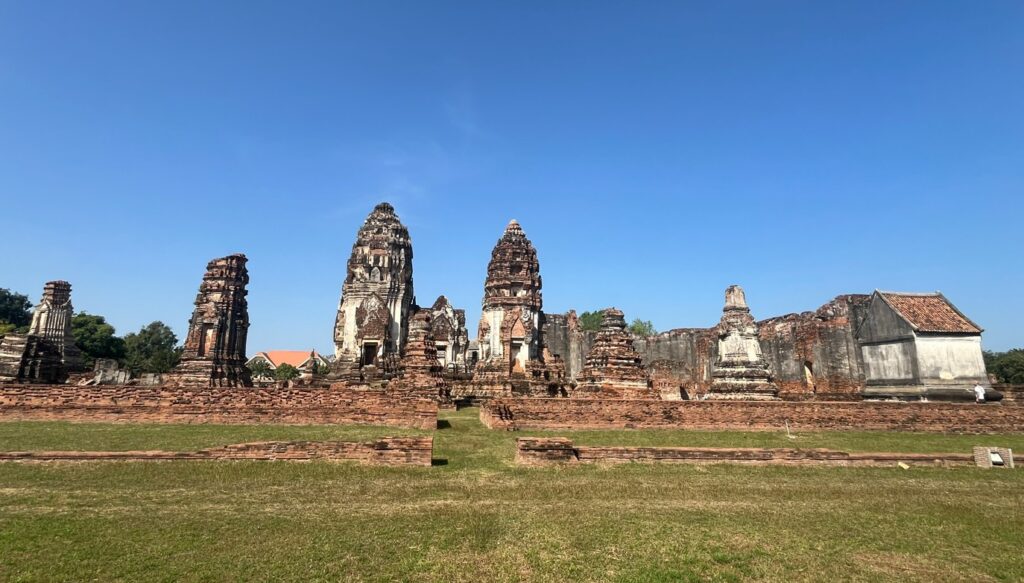
Walking Through the Vast Ruins
The video captures the scale of the temple more clearly than any single photograph. As I moved between the ruined halls, brick foundations, chedis, and towering prangs, the complex seemed to continue far beyond each structure.
Despite its enormous size, the temple did not feel empty. Every wall, doorway, and weathered surface carried traces of the people who once built, worshipped, and gathered here.
Reliefs That Still Seem Alive
Among the vast ruins, the surviving reliefs left the strongest impression on me. Faces, floral patterns, and sacred figures still remained on the weathered surfaces, softened by time but not erased.
Standing close to them, I could still feel the presence of the craftsmen who shaped the stone and stucco centuries ago. These were not merely decorations. They were part of a living sacred world, created to express faith, power, and beauty.
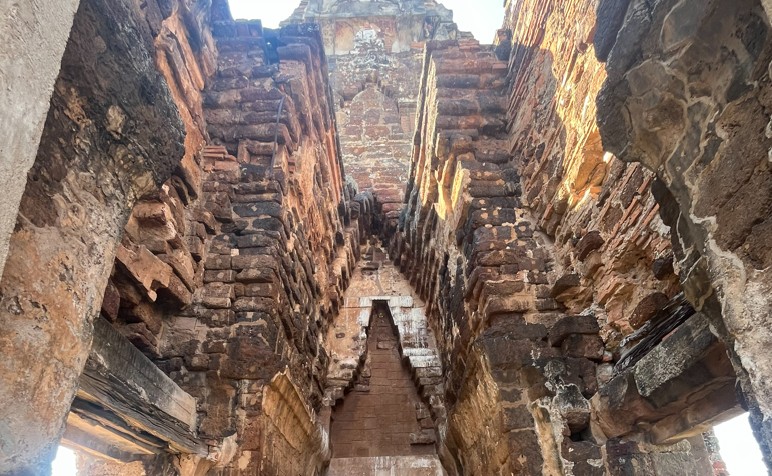
Inside the Ancient Prang
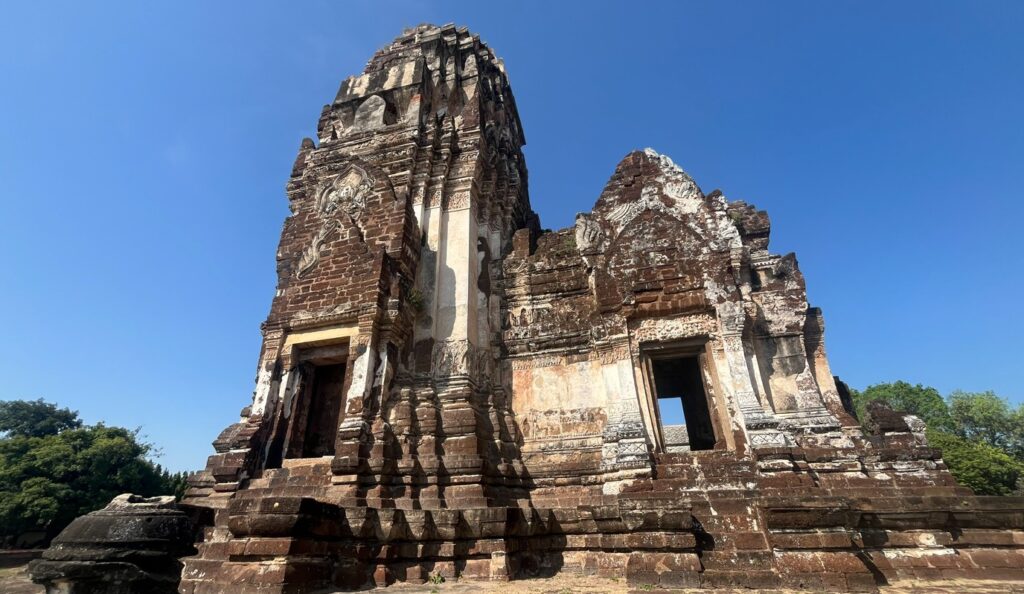
Entering the narrow interior of the prang revealed another side of the monument. The space was dark and enclosed, while light entered through the broken doorway and openings above.
Looking upward, layers of brick, carved decoration, and traces of old stucco could still be seen clinging to the walls. Even in ruin, the structure retained a strong sense of height and sacredness, as though it were still guiding the eye from the earth toward the heavens.
The Towering Heart of the Complex
At the center of the temple stands the great prang, rising above the surrounding ruins like the heart of the entire complex. Its heavy brick mass, narrow entrance, and layered decoration give it both strength and elegance.
From a distance, the prang dominates the landscape. Up close, however, its worn surfaces reveal countless small details—broken moldings, traces of stucco, recessed doorways, and fragments of ornament shaped by centuries of heat, rain, and wind.
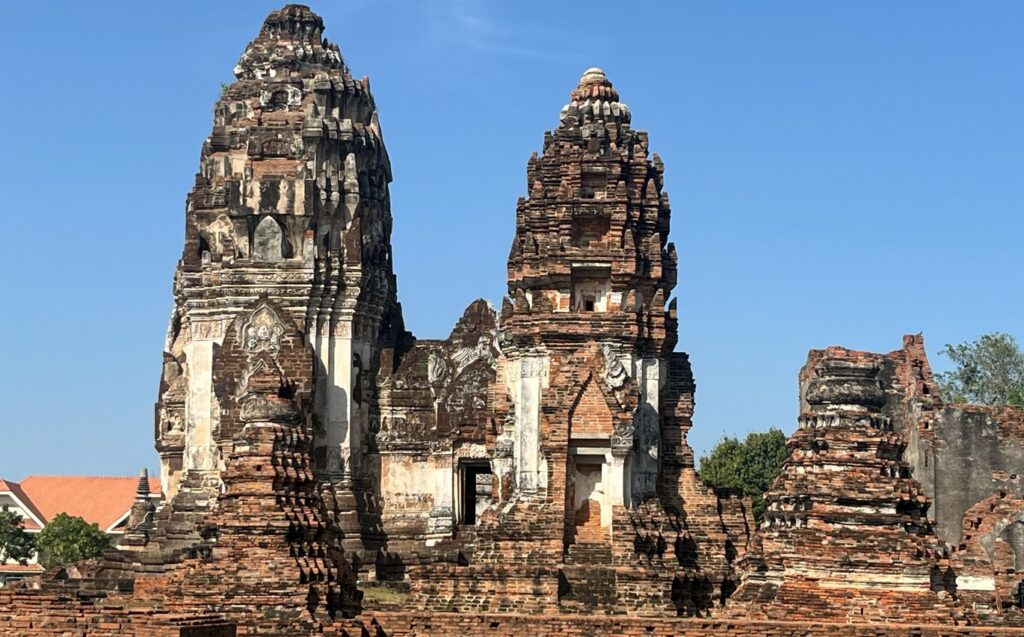
Traces of Sacred Art on Weathered Walls
The closer I looked, the more the walls revealed. Broken niches, layered brickwork, faded stucco, and fragments of carved ornament still clung to the ancient structure.
Many details had been damaged or lost, yet enough remained to show how richly decorated the temple once was. Time had changed their surfaces, but it had not completely erased the hands of the artists who created them.
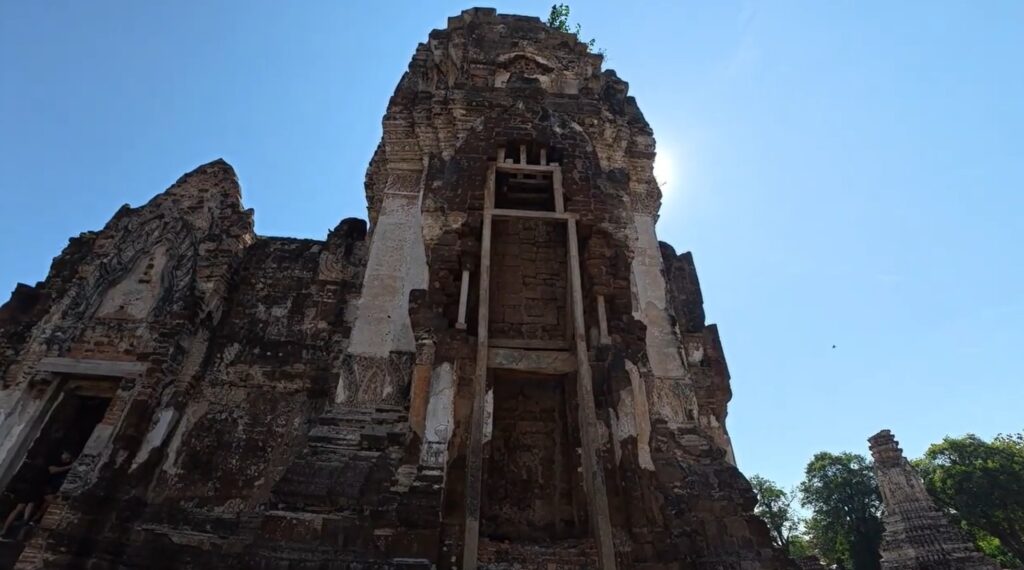
A Sacred Landscape of Prangs and Chedis
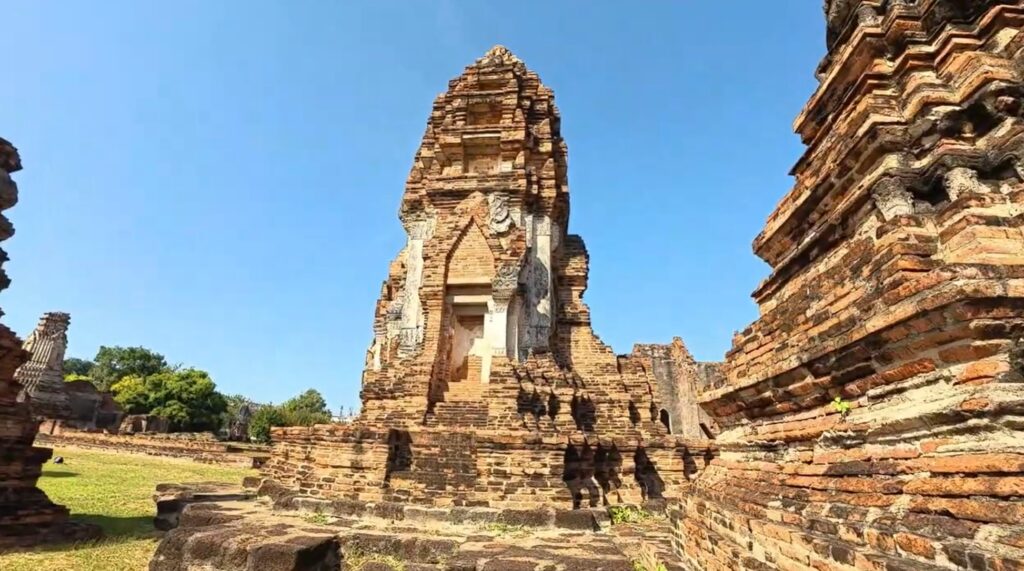
Beyond the central tower, smaller prangs and chedis spread across the wide temple grounds. Some stood almost intact, while others had collapsed into low brick foundations.
Together, they created a sacred landscape rather than a single isolated monument. Walking among them, I could imagine how the complex once connected halls, shrines, processional paths, and places of worship into one enormous religious center.
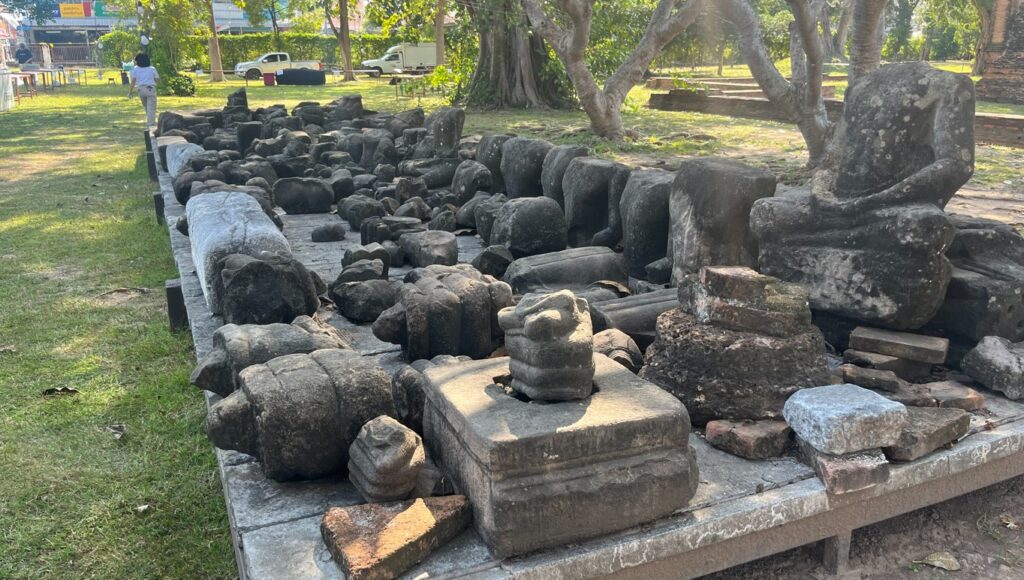
Fragments That Survived the Fall
Across the grounds, fallen architectural fragments have been carefully gathered and preserved. Carved stones, decorative finials, and broken pieces of religious structures now rest together, separated from the buildings they once adorned.
Although their original positions may no longer be clear, these fragments still reveal the craftsmanship and complexity of the temple. Even the smallest broken piece carries evidence of the sacred world that once filled this enormous complex.
Where History Still Feels Present
Wat Phra Si Rattana Mahathat is impressive not only because of its age, but because the past still feels close here. The enormous towers, surviving reliefs, broken walls, and scattered remains do not seem silent. They continue to speak through their scale and craftsmanship.
As I walked through the complex, I felt that this place had not completely disappeared into history. The people who built it, worshipped here, and shaped its sacred images were gone, yet their presence remained in every surviving detail.
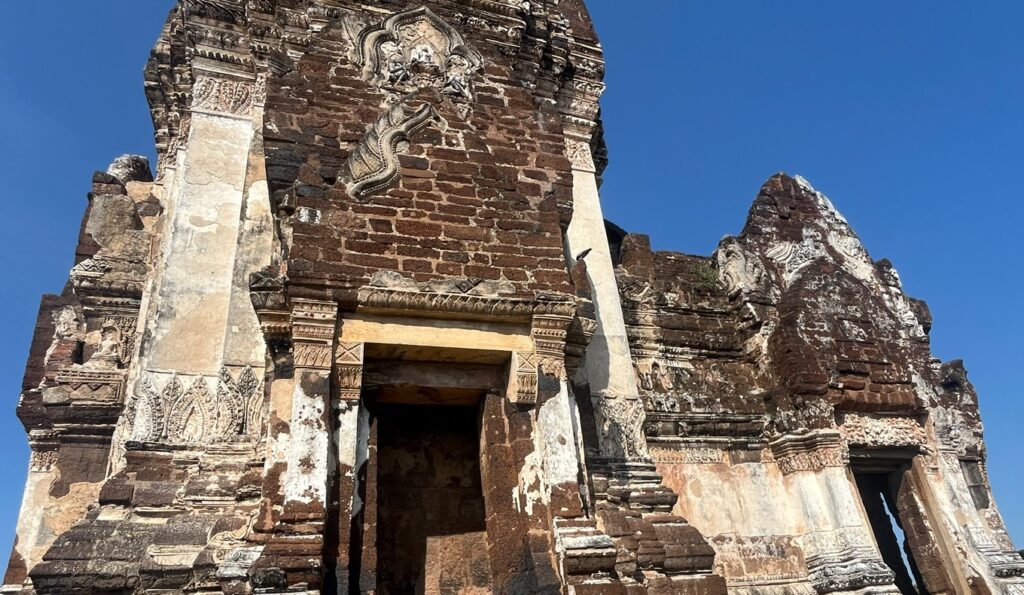
A Monument Between Khmer and Ayutthaya Worlds
The architecture of Wat Phra Si Rattana Mahathat reflects a long period of transformation. Its central prang preserves strong Khmer and Lopburi influences, while surrounding halls, chedis, and later structures show how the site continued to develop during the Ayutthaya era.
Rather than replacing the older sanctuary, later generations expanded and reshaped it. This is why walking through the temple feels like moving through several centuries at once—each period leaving its own architectural layer around the ancient sacred center.
The Grandeur of a Forgotten Sacred Center
Even in its ruined state, Wat Phra Si Rattana Mahathat still conveys enormous power. The height of the prangs, the breadth of the grounds, and the number of surviving structures show that this was once far more than a local temple.
It must have served as one of Lopburi’s most important religious centers, where royal authority, sacred belief, architecture, and public ceremony came together. Today, its ruins allow us to see not just one monument, but the remains of an entire sacred world.
Final Reflections
Wat Phra Si Rattana Mahathat Lopburi left me with the feeling that history here has never fully disappeared.
The temple is vast, its structures are monumental, and its surviving reliefs still carry remarkable life despite centuries of damage.
What impressed me most was how much could be seen in a single place. Khmer influence, Lopburi craftsmanship, Ayutthaya additions, sacred towers, broken halls, and weathered sculptures all remained together within one enormous complex.
This was not simply a visit to an ancient ruin. It felt like walking through several layers of Thai history at once—among structures that are broken, yet still powerful enough to preserve the memory of the people who created them.
Visitor Information
Location: Wat Phra Si Rattana Mahathat, Lopburi, Thailand
Thai Name: วัดพระศรีรัตนมหาธาตุ ลพบุรี
Google Maps: https://maps.app.goo.gl/s2evqB7j7iGQAzbSA
Wat Phra Si Rattana Mahathat Lopburi stands near Lopburi Railway Station and can be visited together with other major historical sites in the old city.
Because the grounds are extensive, allow enough time to walk slowly around the central prang, ruined halls, smaller chedis, and surviving reliefs.
Comfortable shoes, drinking water, and sun protection are recommended, as much of the archaeological site is open and exposed to the sun.
Gallery — Details Across the Ancient Complex
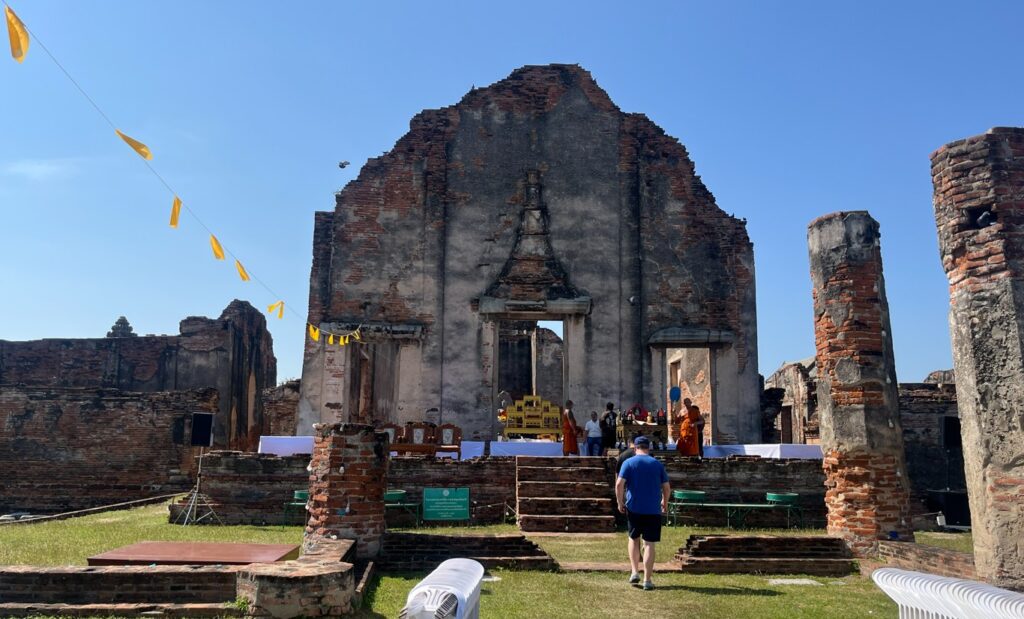
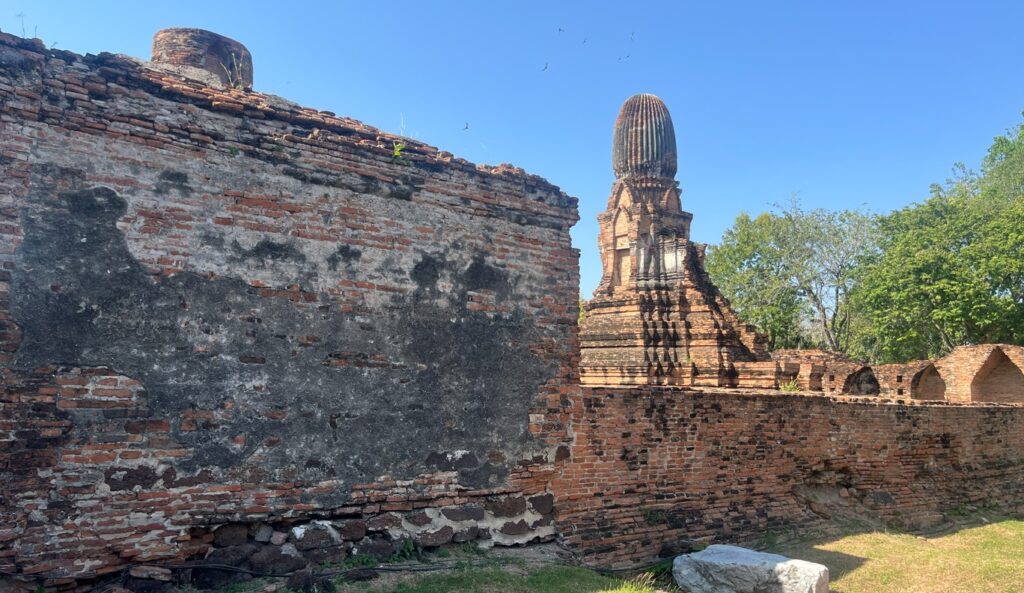
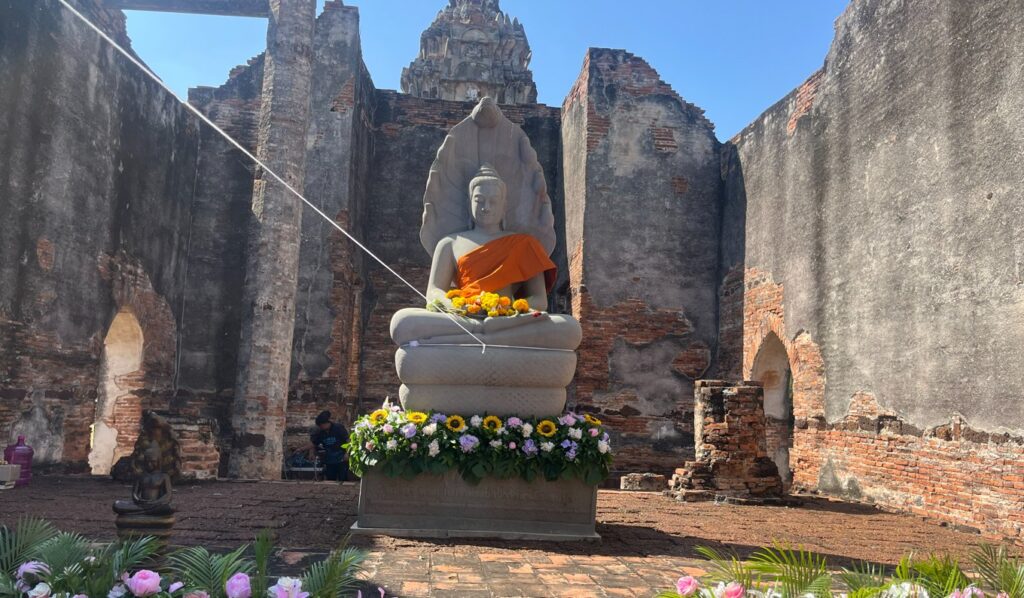
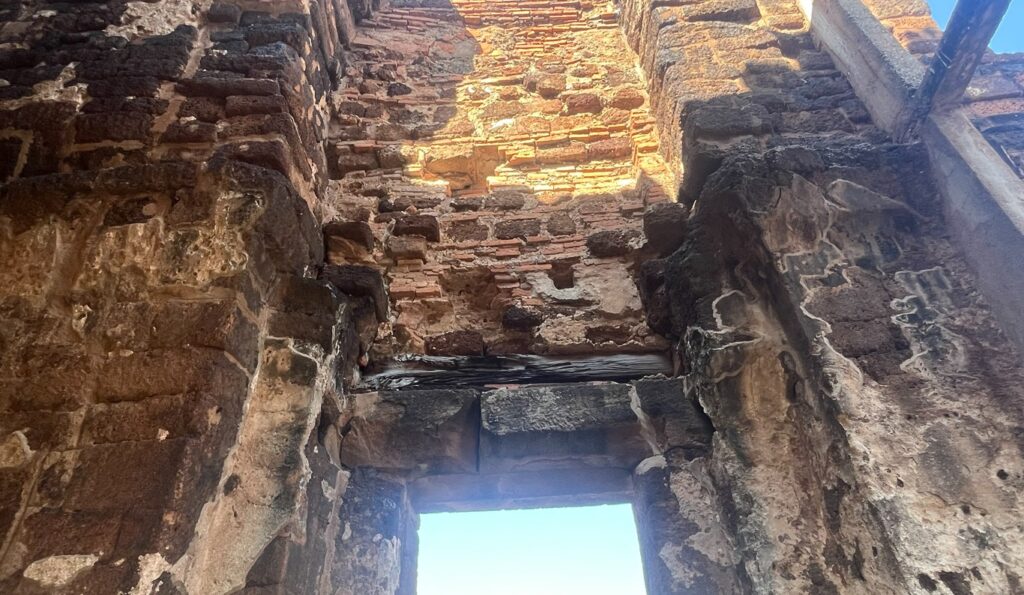
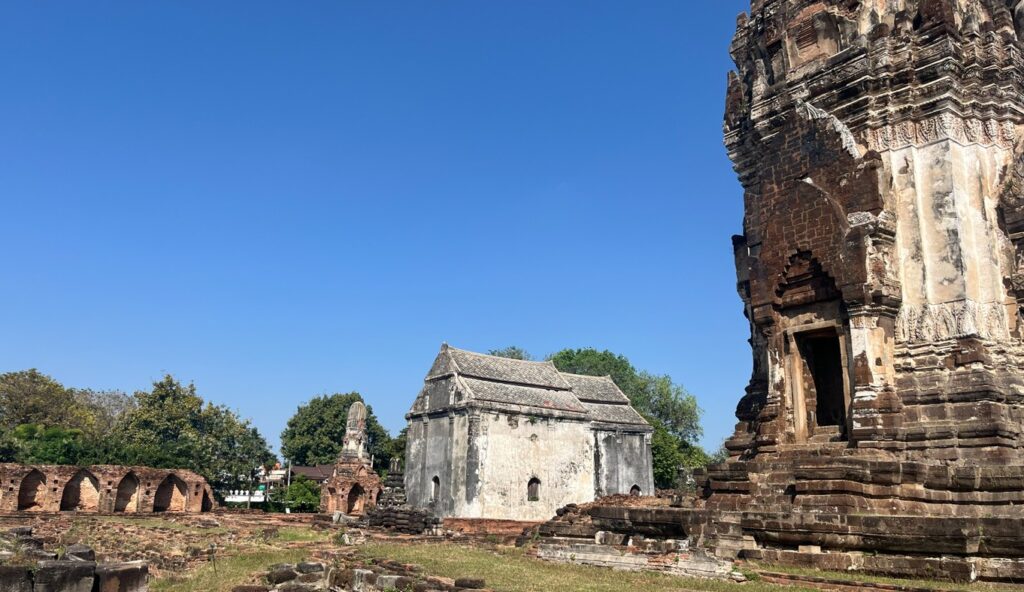
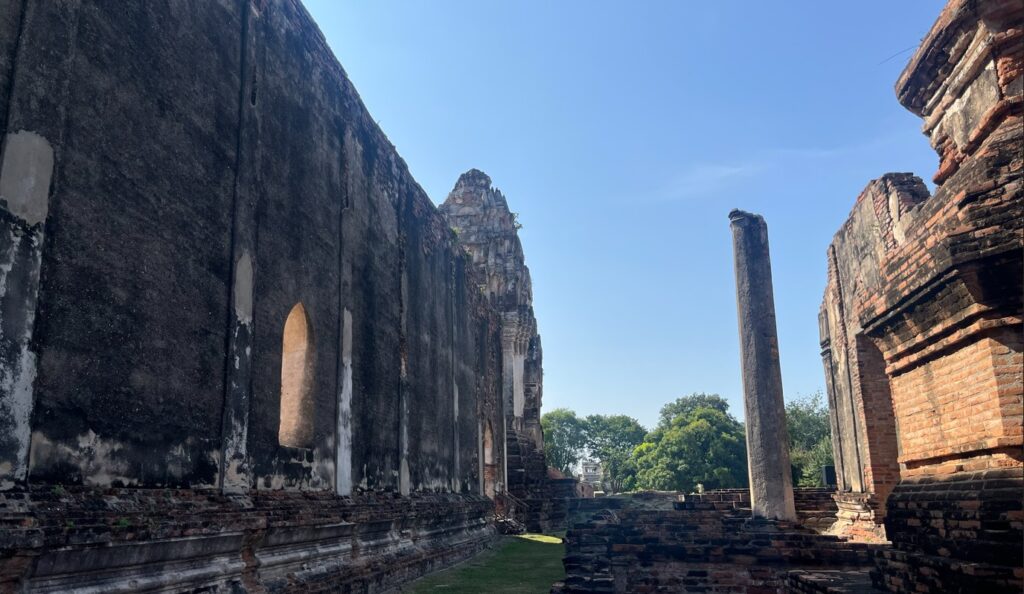
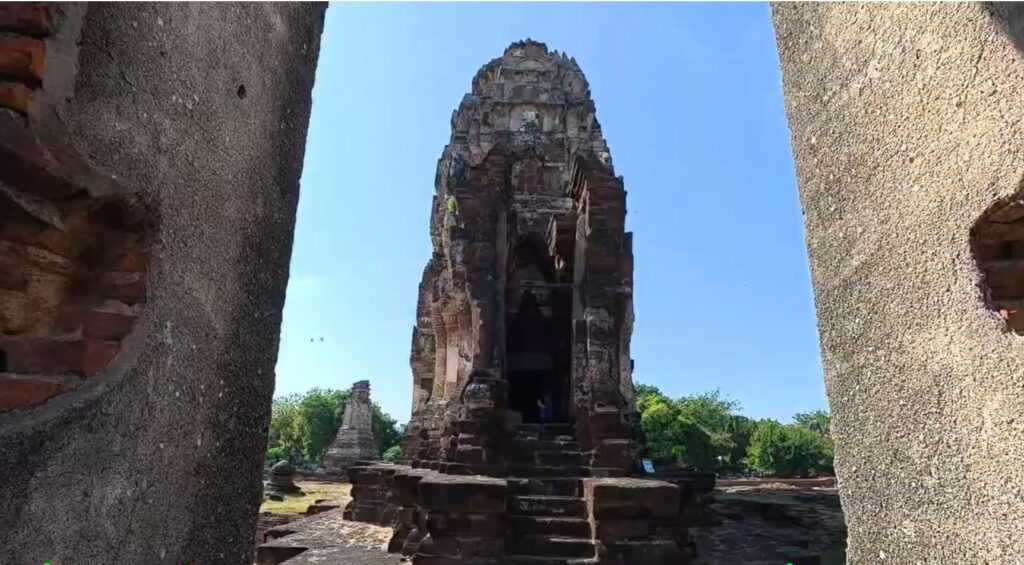
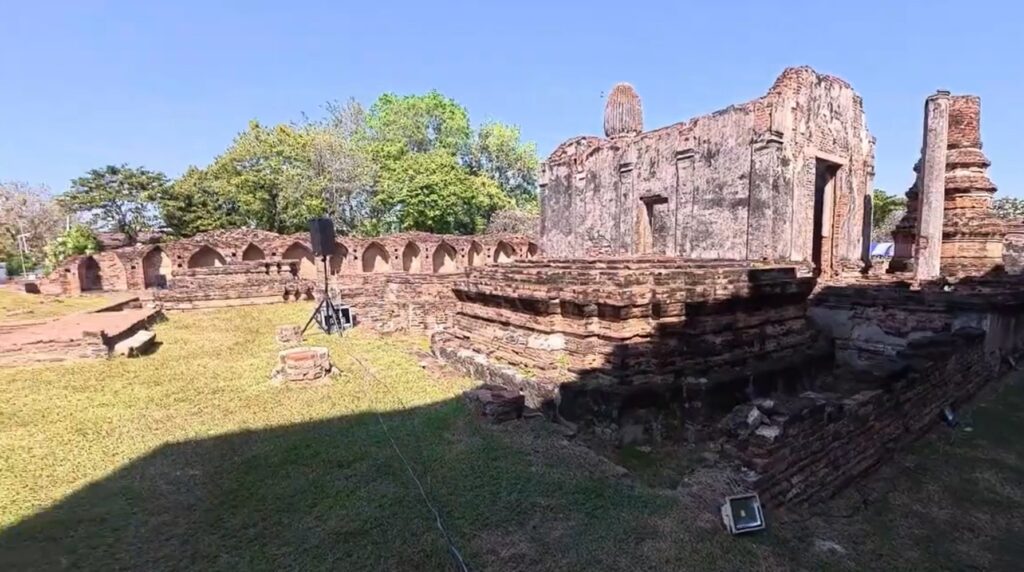
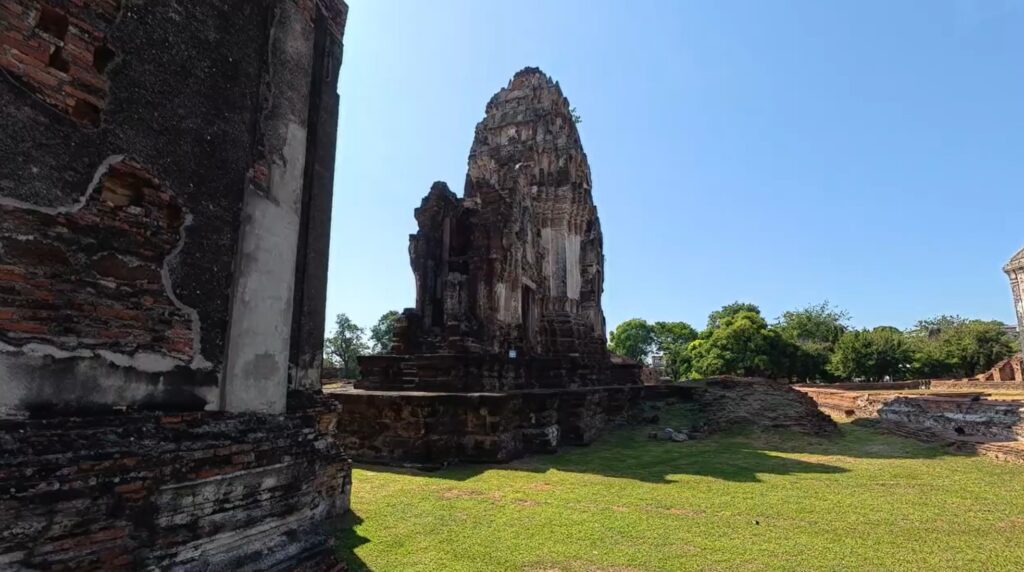
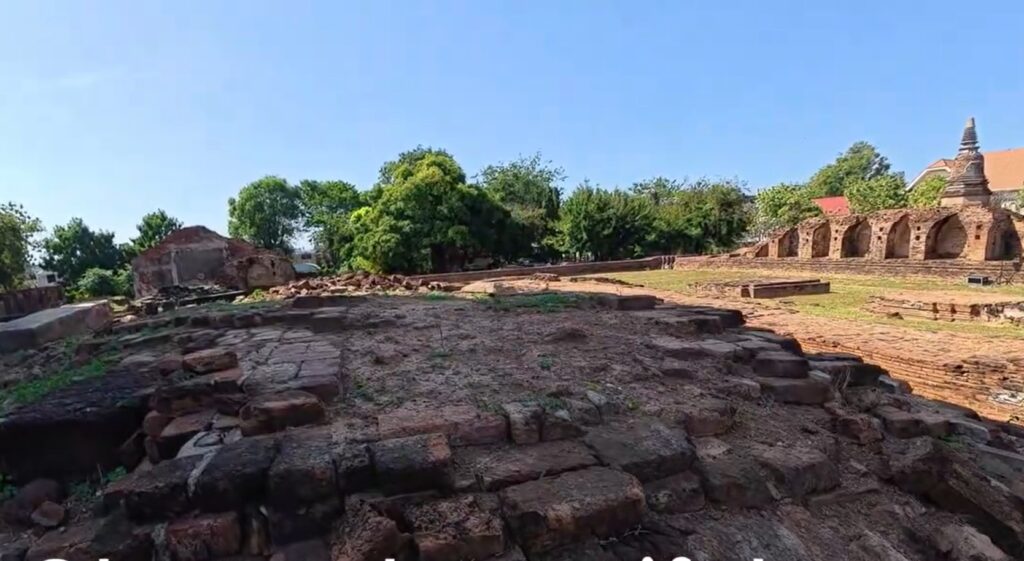
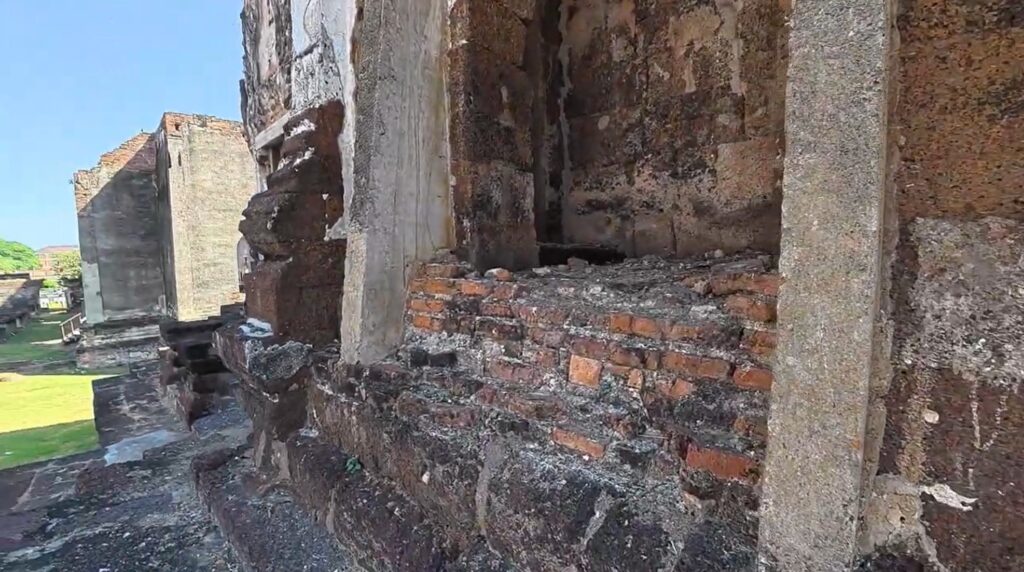
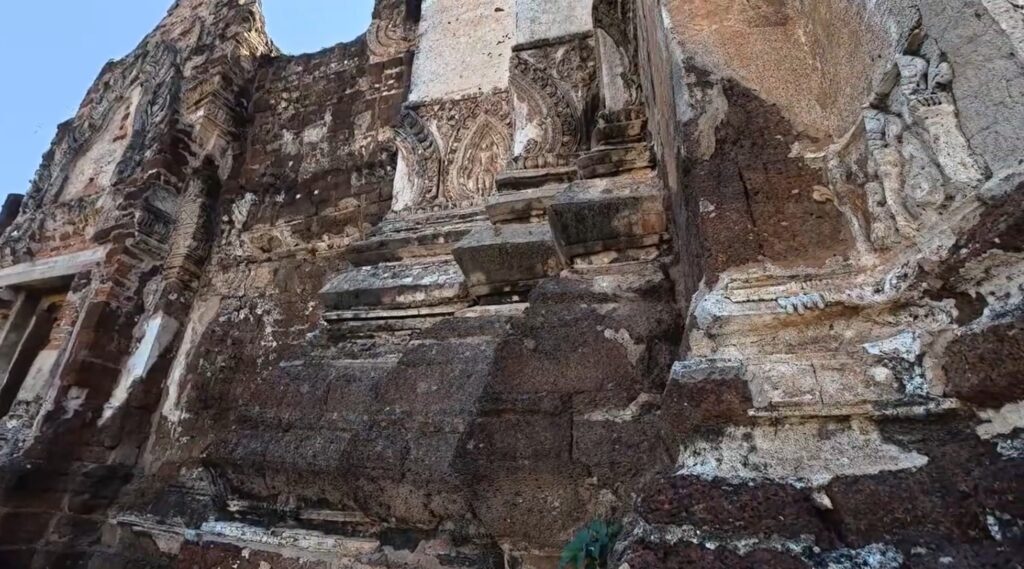
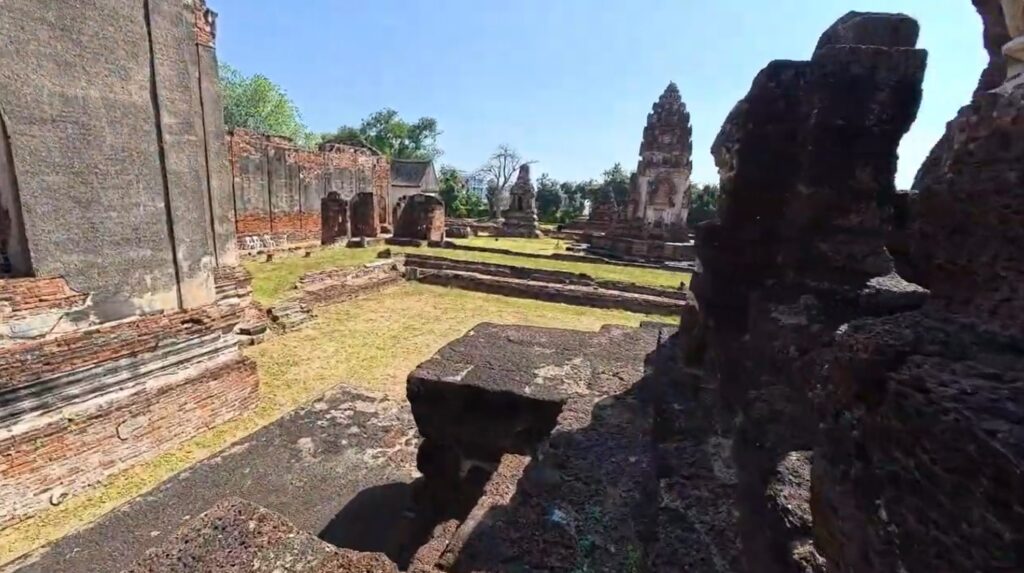
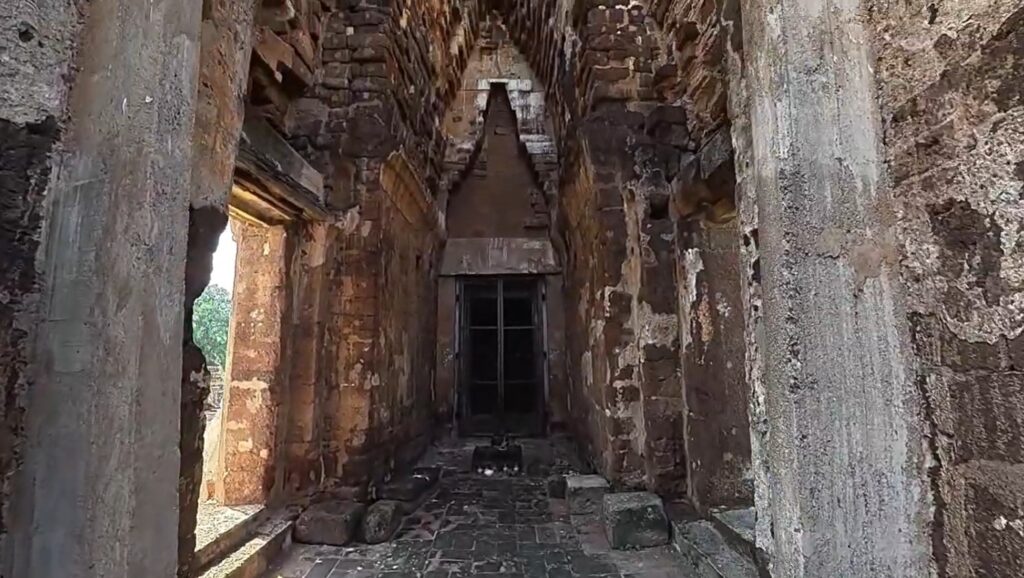
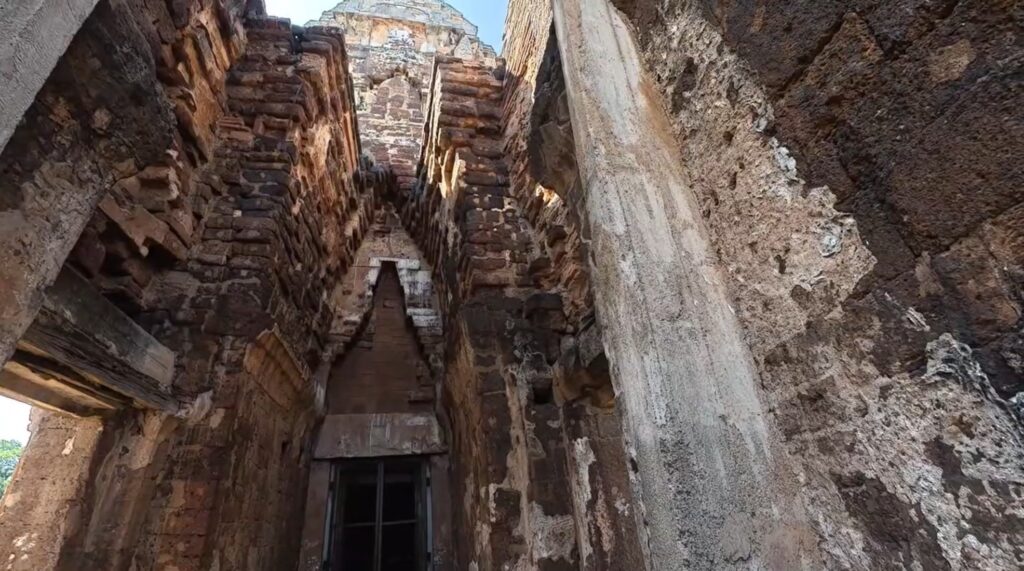
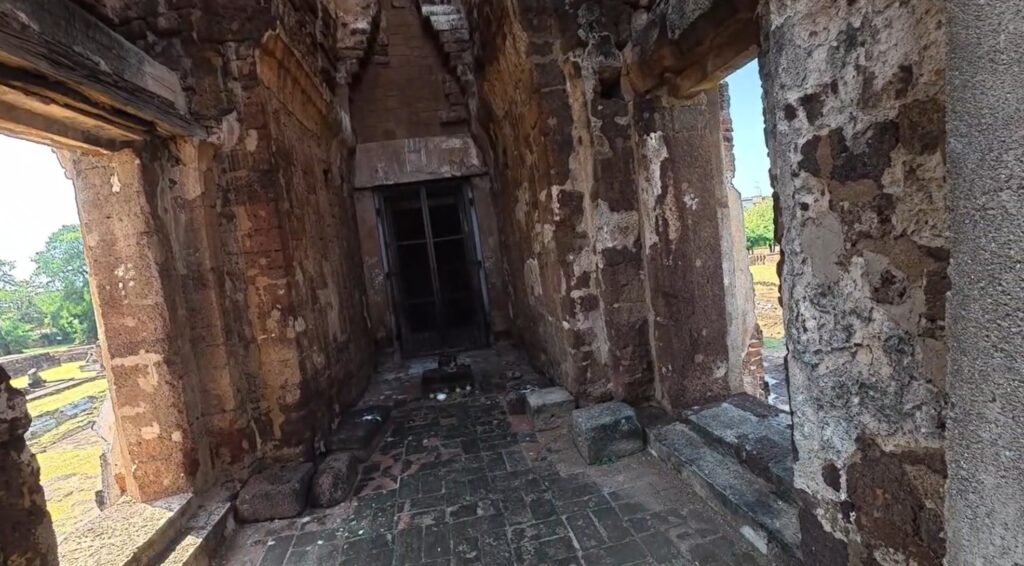
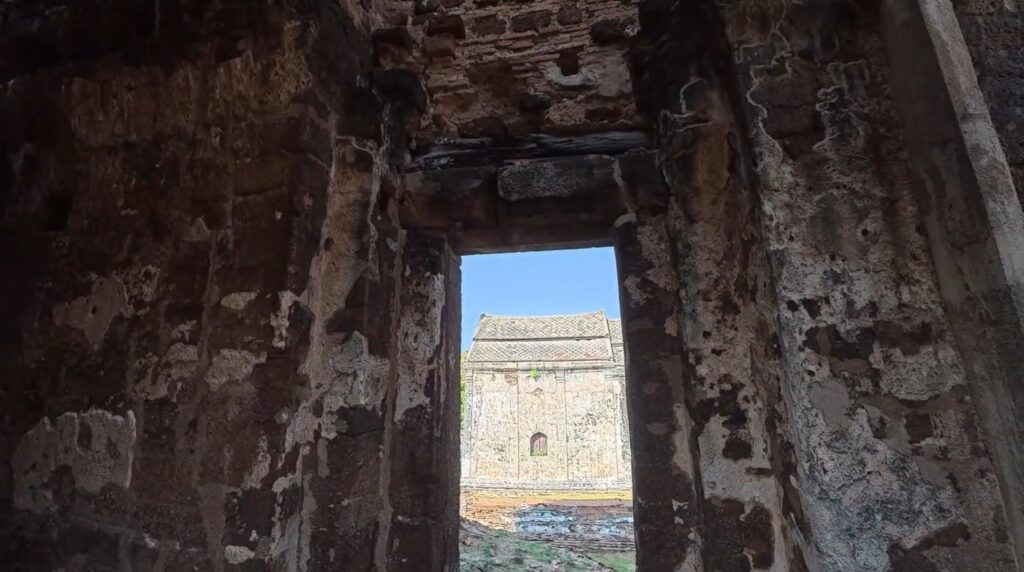
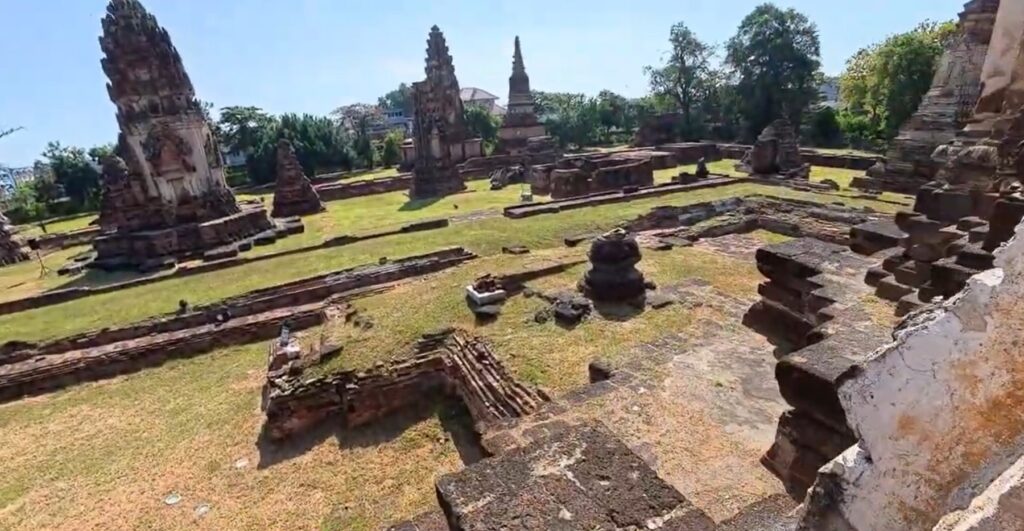
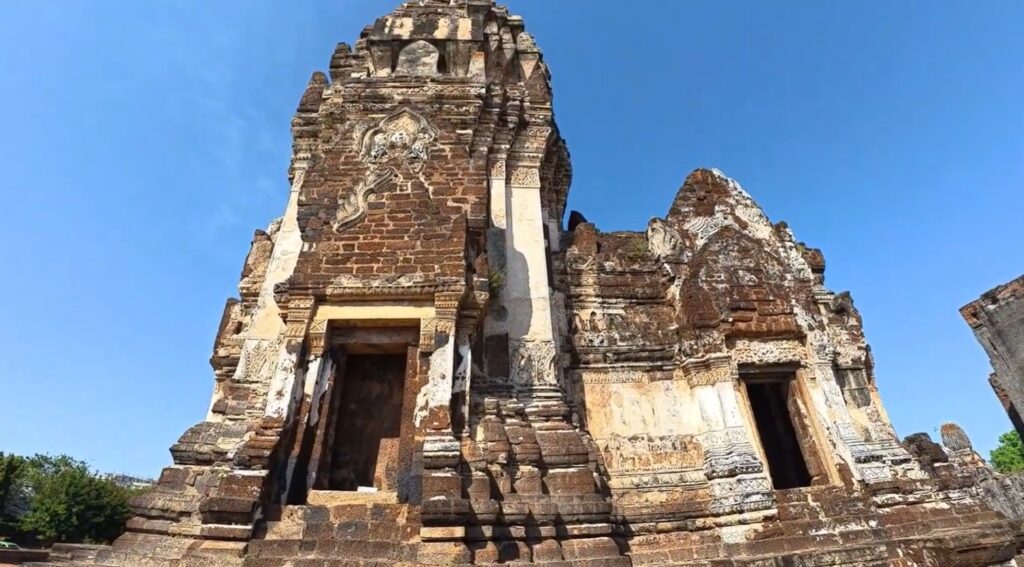
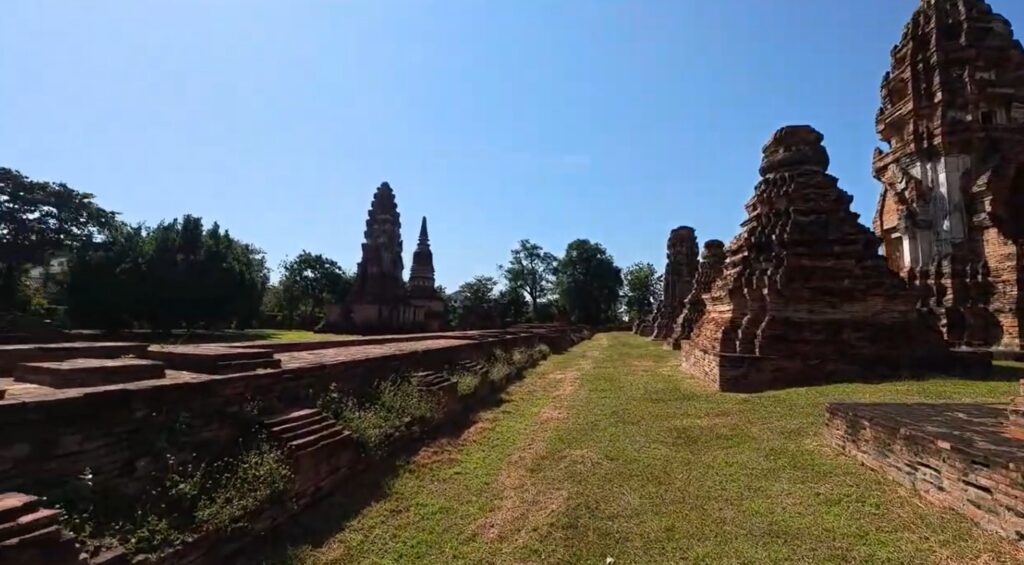
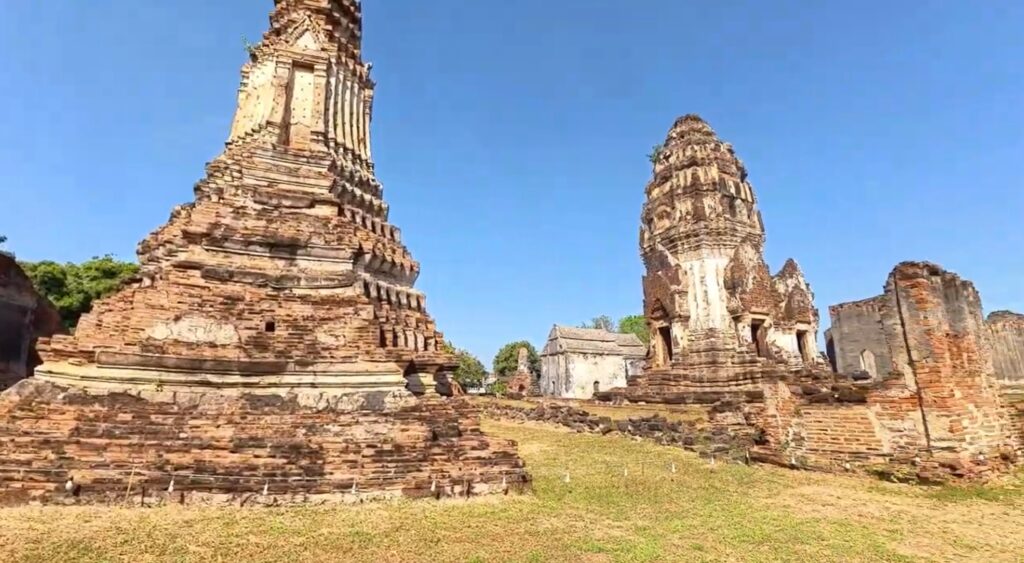
Ancient prangs, surviving reliefs, ruined halls, and architectural fragments across the vast grounds of Wat Phra Si Rattana Mahathat.
Continue Exploring Lopburi
Phra Prang Sam Yot — Ancient Khmer Towers of Lopburi
Continue exploring Lopburi at Phra Prang Sam Yot, where three ancient Khmer towers preserve another powerful chapter of the city’s history.
Tourism Authority of Thailand
Wat Phra Si Rattana Mahathat in Lopburi
Learn more about Lopburi’s historical monuments and the conservation of Thailand’s ancient heritage through official cultural and tourism resources.
Return to History Directory
Return to the History Directory to discover more ancient cities, royal stories, and archaeological sites across Thailand.