A Quiet Memory of Phimai
Phimai Historical Park left a different kind of memory.
What made Phimai Historical Park especially memorable was not only the ancient sanctuary, but also the calm atmosphere of the surrounding town.
Much of the original video from this visit was lost, and only a short section of the outer gallery remains. But the photographs still preserve the path I walked, the stone structures I saw, and the atmosphere that stayed with me long after the journey ended.
Entering the Historical Park
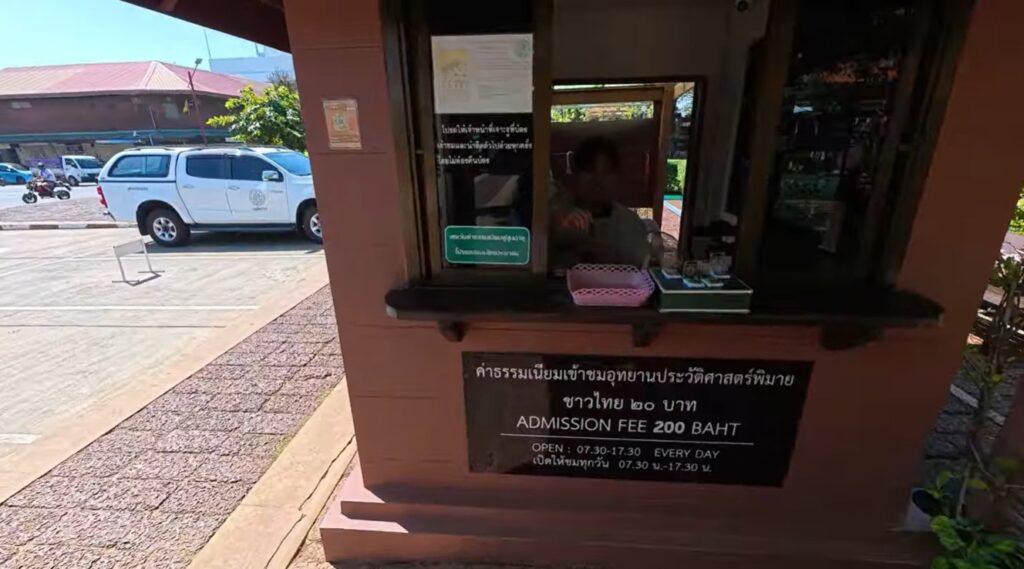
The journey began quietly at the entrance, where a small ticket office and shaded garden welcomed visitors into Phimai Historical Park.
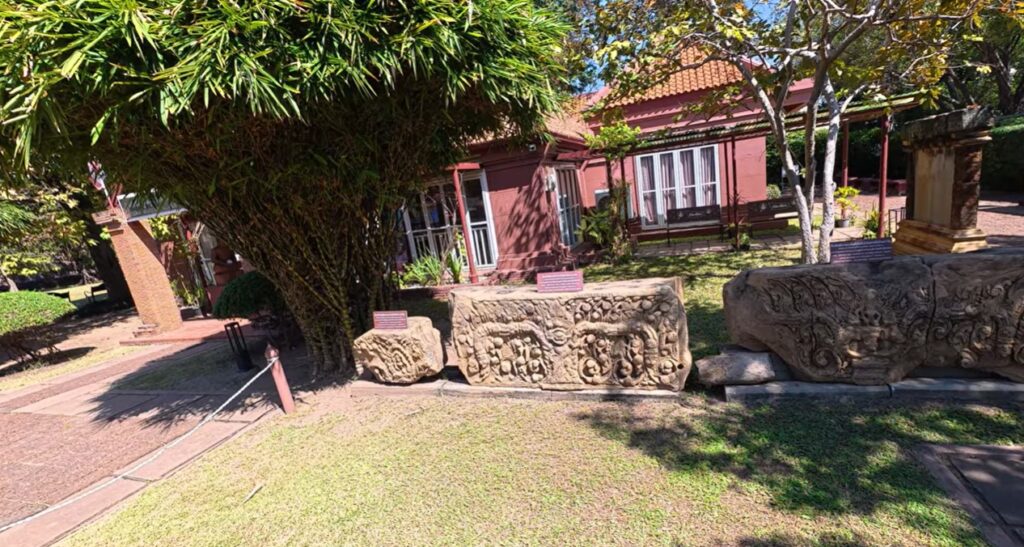
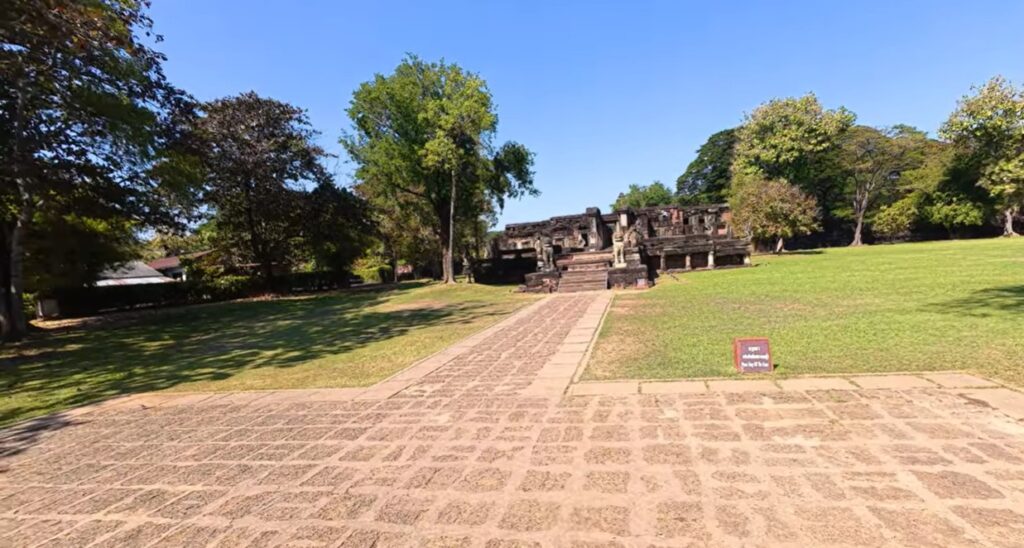
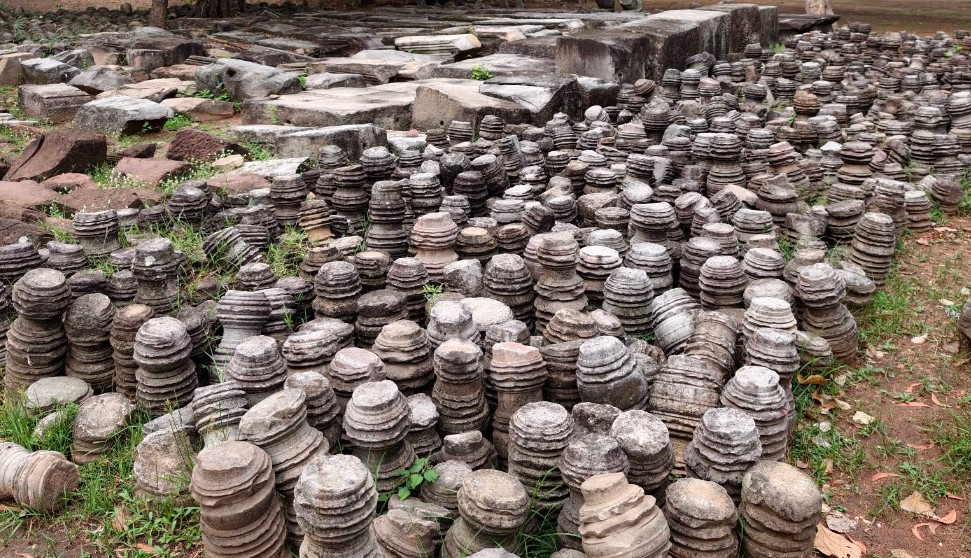
Beyond the gate, a long brick path stretched across the open grounds. Trees, trimmed lawns, and scattered stone remains created a calm atmosphere before the main sanctuary came into view.
There was no rush or noise. Walking slowly through the peaceful grounds felt like entering another time.
The Outer Gallery
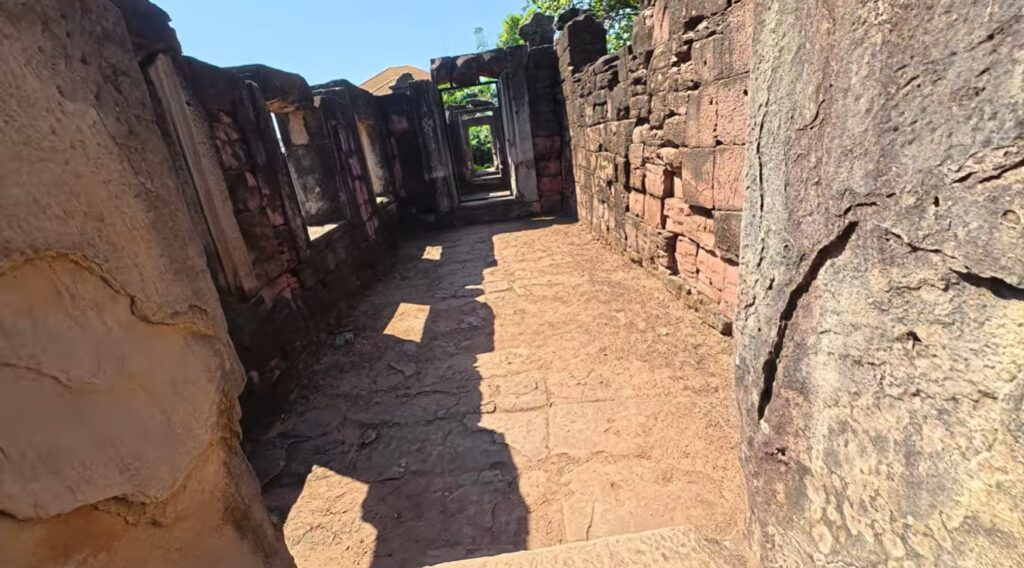
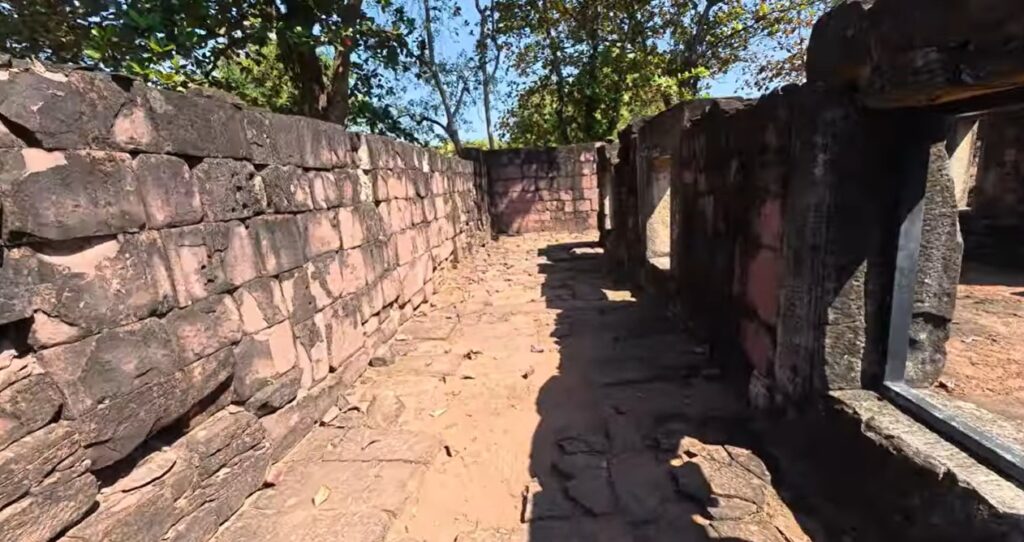
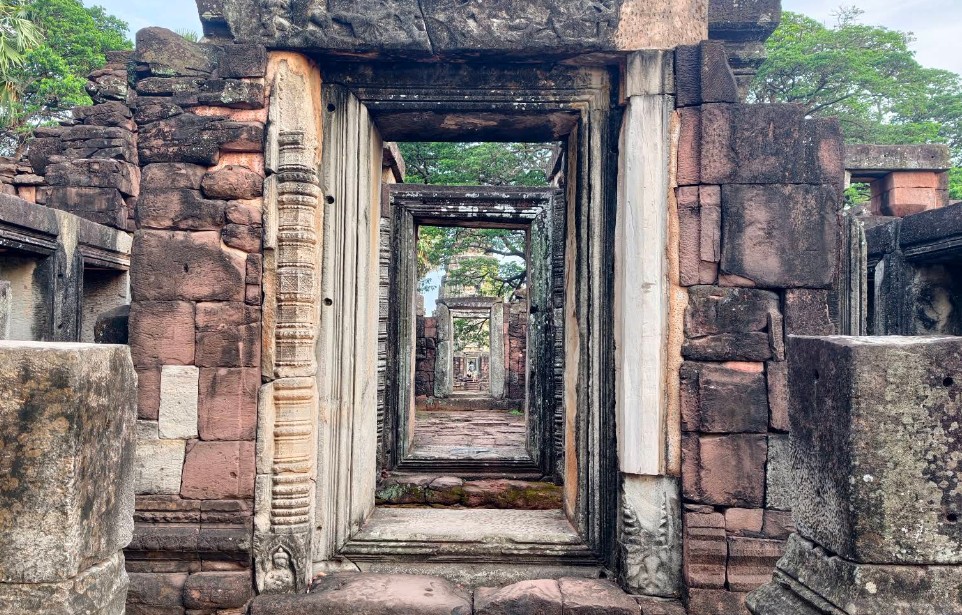
The first surviving video scenes show the outer gallery, where dark laterite walls and sandstone doorways form a series of narrow passages.
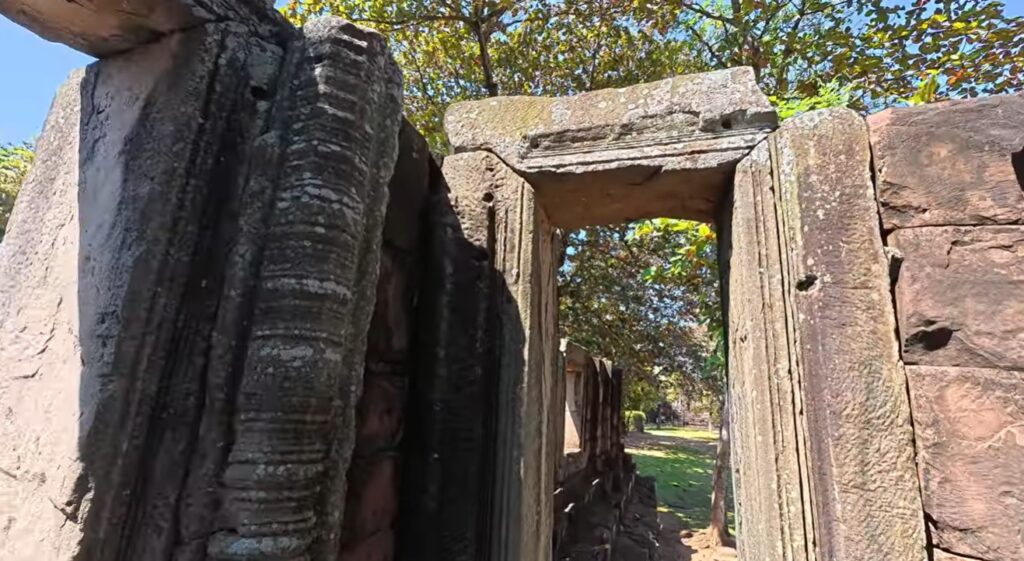
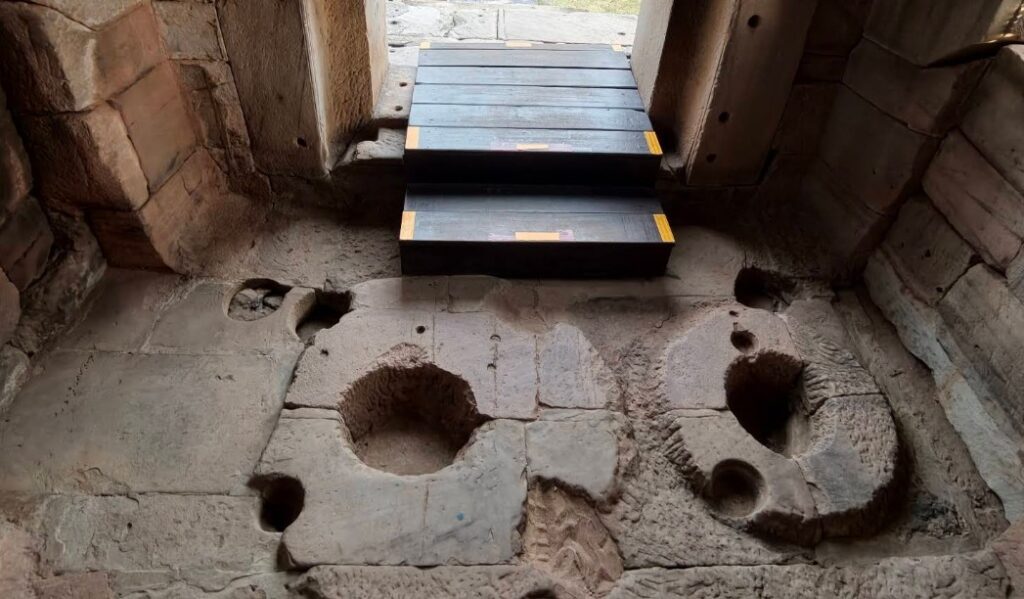
Some sections had collapsed, while others still preserved carved frames, lintels, and aligned entrances. Looking through one doorway after another revealed the careful symmetry of the ancient design.
Even in its weathered condition, the gallery still carried a strong sense of order, craftsmanship, and quiet endurance.
The Central Sanctuary
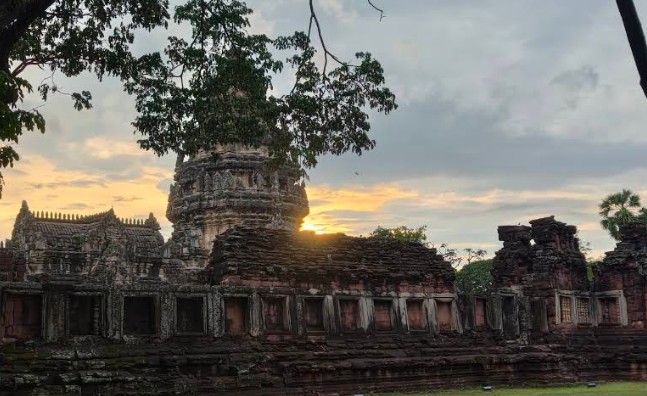
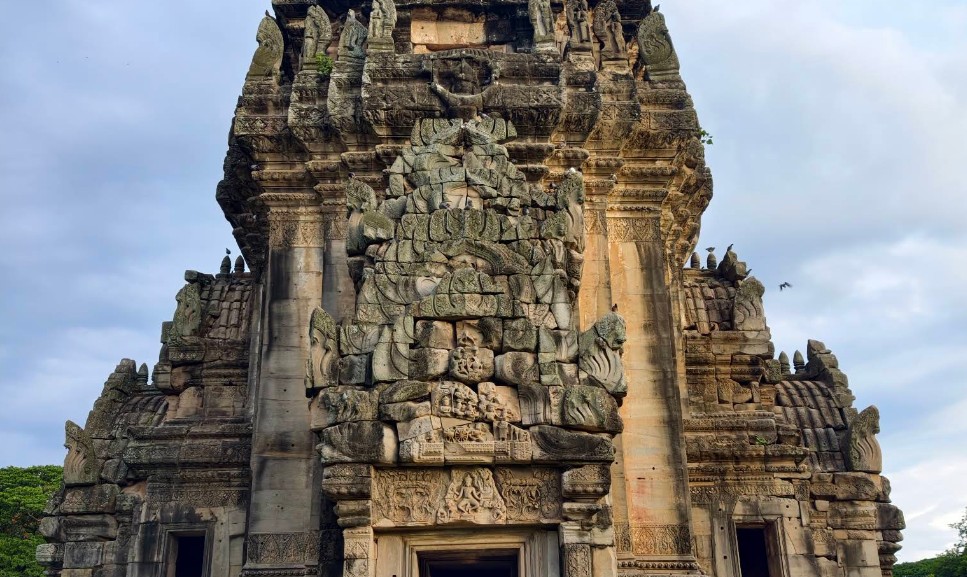
As I moved beyond the outer gallery, the main sanctuary began to rise above the surrounding ruins.
Unlike many ancient sites where only foundations remain, much of Phimai’s structure was still standing. Towers, walls, chambers, and stone doorways preserved the scale of the original Khmer sanctuary.
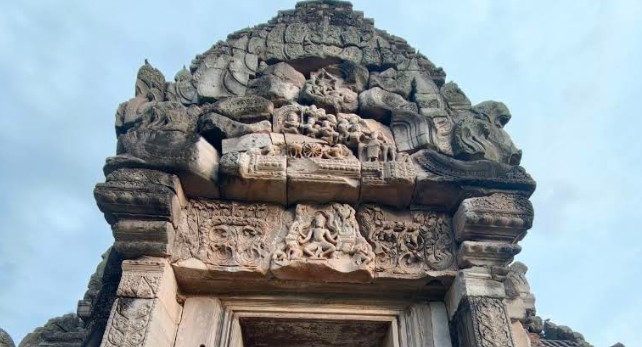
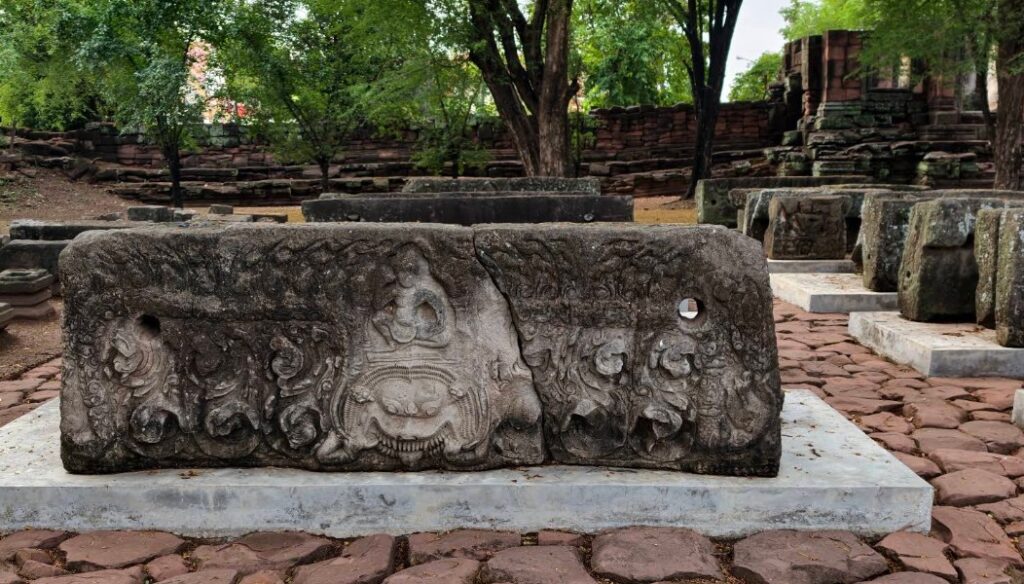
The surviving carvings were especially impressive. Weathered by time, they still revealed graceful figures, decorative patterns, and the skill of the craftsmen who shaped the stone centuries ago.
Stone Carvings That Survived
Around the sanctuary, many carved stone details were still clearly visible.
Lintels, doorframes, decorative patterns, and sculpted figures had survived despite centuries of weathering. Some carvings were worn and incomplete, yet their shapes and expressions could still be recognized.
These details gave life to the ancient structure. They made Phimai feel less like a collection of ruins and more like a sacred place that still carried the skill, beliefs, and imagination of its builders.
A Video Partly Lost
Unfortunately, most of the original video from this visit was later lost.
Only a short section showing the outer gallery survived. The central sanctuary, detailed carvings, and many of the most memorable scenes were no longer preserved in motion.
Still, the remaining photographs became valuable records of the journey. They help reconstruct the route I followed and preserve a place that remained vivid in my memory, even after much of the footage disappeared.
The Surviving Video
This short video contains the small part of the journey that still remains.
Most of the footage was lost, so the video mainly shows the early section around the outer gallery and stone passages.
Although incomplete, it still preserves the quiet atmosphere of Phimai and the feeling of walking into an ancient sanctuary for the first time.
Place the YouTube video directly below this section:
A Peaceful Town Around the Ruins
What made Phimai especially memorable was not only the ancient sanctuary, but also the calm atmosphere of the surrounding town.
The streets were quiet, local life moved slowly, and the historical park seemed to exist naturally within the community rather than apart from it.
After walking among the old stone towers and galleries, the peaceful surroundings gave me time to reflect. Phimai did not feel crowded or hurried. It felt like a place where history and everyday life had learned to live together.
Visitor Information
Location: Phimai Historical Park, Phimai District, Nakhon Ratchasima Province, Thailand
Main Attraction: A large and well-preserved Khmer sanctuary with galleries, towers, stone doorways, and surviving carvings
Best Time to Visit: Morning or late afternoon, when the temperature is cooler and the light is softer
Recommended For: History, ancient architecture, photography, and travelers looking for a quiet cultural destination
Phimai Historical Park stands near the center of the town, making it easy to explore the ruins and then continue walking through the peaceful local streets.
Google Maps:
https://maps.app.goo.gl/smZbey2ypKajGbQx7
Gallery
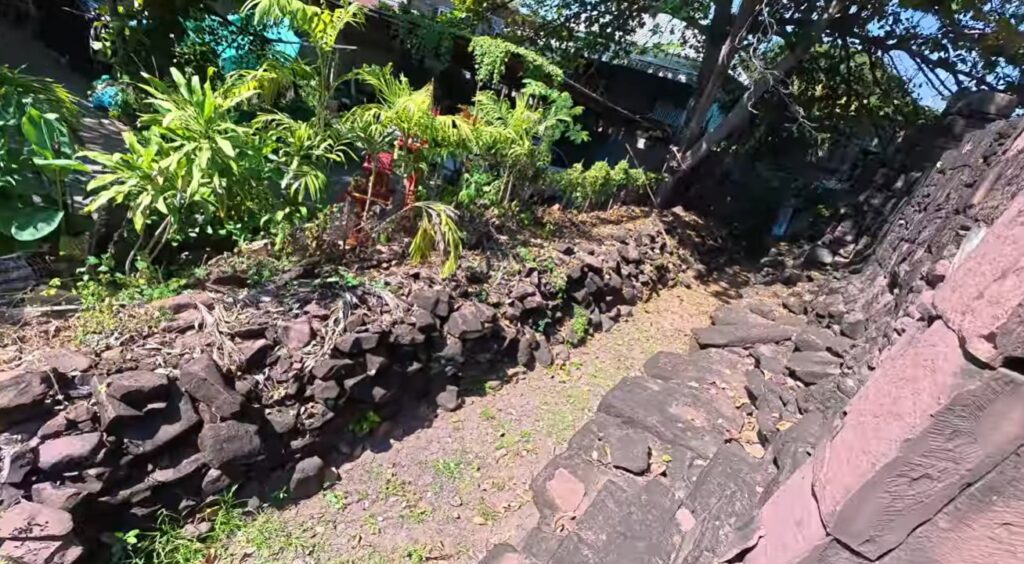
These photographs preserve the parts of Phimai Historical Park that were lost from the original video.
They follow the journey from the quiet entrance and outer gallery to the central sanctuary, surviving stone carvings, ancient doorways, and the peaceful grounds surrounding the ruins.
Continue the Journey
This early journey later led me to explore more Khmer heritage sites across northeastern Thailand.
Related Story:Phanom Rung Historical Park – The Lost Temple of Gods
Closing Thoughts
Even though most of the original video was lost, the memory of Phimai remained clear.
The surviving photographs still show the quiet entrance, long stone galleries, detailed carvings, and the central sanctuary standing above the ancient walls.
What impressed me most was how much of the complex still remained. Phimai was not simply a field of scattered ruins. Its towers, chambers, doorways, and carved stones still revealed the scale and beauty of the original sanctuary.
Surrounded by a peaceful town and quiet streets, Phimai became one of the most memorable places from my early riding journeys.
Some journeys survive through video. Others remain through photographs and memory.